
All of these things and more are being dumped illegally on an all-too regular basis across Scotland. Fly-tipping is happening in all corners of the country, on both private and public land, and often on an industrial scale.
Not only does it create a major eyesore and blight on communities, these mountains of waste pose a grave risk to wildlife and the environment and cost Scots millions of pounds each year to clean up.
Dumpers are indiscriminate, but often target remote countryside areas or disused sites where they can tip waste without being spotted.
There are more than 60,000 incidents of fly-tipping in Scotland every year, with in excess of 26,000 tonnes of material dumped annually – leaving a clear-up bill of £8.9 million.
According to Zero Waste Scotland, illegal dumpers want to ‘drop-and-drive’ so anything that slows them down is a powerful deterrent – such as narrowing or blocking vehicle access points and limiting concealed areas where criminals can offload waste unseen.
The organisation also suggests erecting signage informing the public that a site is monitored and listing nearby legal disposal facilities. Warning fly-tippers about the consequences of their actions can also be enough to “make them think twice”.
Fines range from £80 to £2,500 for littering and from £200 to £40,000 and/or imprisonment for up to 12 months for fly-tipping.
David Barnes, litter and fly-tipping manager at Zero Waste Scotland, said: “Fly-tipping is an illegal and completely unacceptable behaviour that risks people’s safety, endangers wildlife and pollutes our environment.
“It also has huge financial implications, with councils forced to spend millions of pounds a year dealing with litter and fly-tipping that shouldn’t be there in the first place. Where it occurs on private land, that cost falls to the landowner.
“It is really important that anyone having waste uplifted by a private firm checks they have a valid waste carrier’s licence, as not doing so could result in that material being fly-tipped. Please don’t be taken in by companies offering cheap disposal of waste.”
Fly-tipping can be reported to Dumb Dumpers online or by phone on 0300 777 2292.
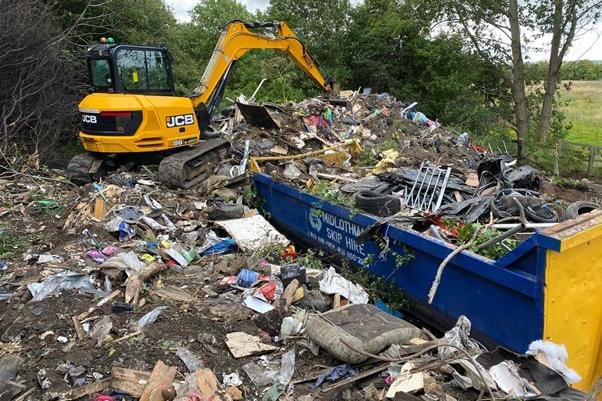
1. Land in the Lothians owned by Network Rail
Sites belonging to Network Rail have been repeatedly targeted by fly-tippers, with clear-up work at this area on Newcraighall Road in Edinburgh costing more than £100,000. The areas affected were old sidings areas and leased railway yards. A more robust fence was also installed to help prevent further dumping. Photo: Contributed
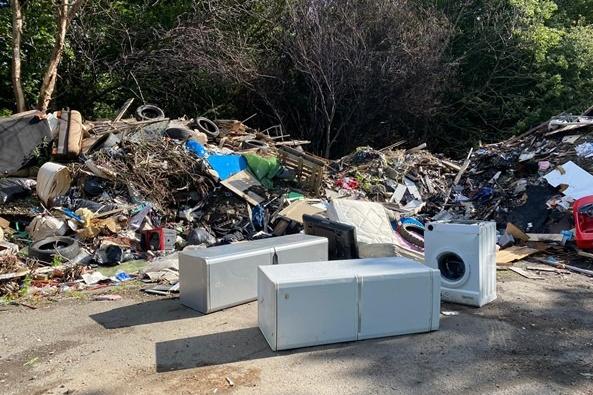
2. Network Rail land at Newcraighall Road, Edinburgh
This site Newcraighall Road in Edinburgh is among a number owned by Network Rail which have been targeted by large-scale fly-tipping. Areas affected inlcude old sidings areas and leased railway yards. Sturdier fencing has been installed to make further dumping more difficult. Photo: Contributed
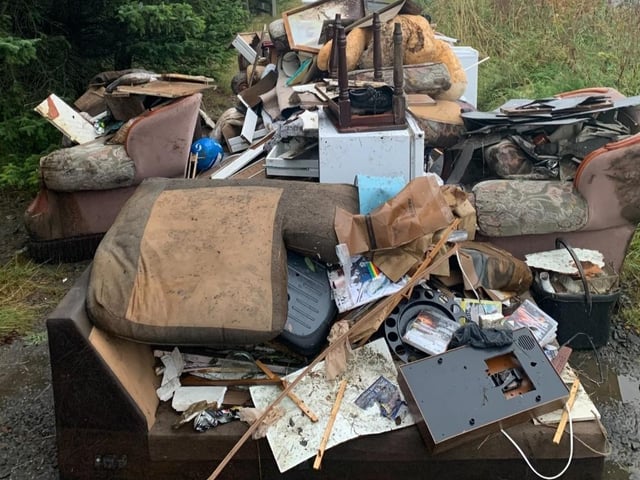
3. Network Rail land Blackridge, West Lothian
Another example affecting Network Rail was near Blackridge in West Lothian, where furniture, white goods and electronics were dumped at the side of the road. Photo: Contributed

4. Friarton Bridge, Perth
A massive dump site has built up near the Friarton Bridge in Perth, sparking fears over the potential harm to nature and fragile ecosystems. Scottish Conservative MSP Murdo Fraser, who is bringing forward a private member’s bill on fly-tipping to the Scottish Parliament, described the site as “horrendous” when he visited to see it for himself. “The amount of rubbish dumped at this site is just horrific,” he said. “It varies from various disused vehicles, bits of wood, old paint containers, to a mattress and a fridge. “It is totally unacceptable for this to happen and I was very concerned that, due to the location of the fly-tipping being on the banks of the River Tay, there could well be a significant environmental risk.” He believes better collection of data, improved coordination between investigators and tougher penalties for offenders can together cut fly-tipping. Photo: Contributed