


Machair is a unique flower-rich grassland bursting with red clover, bird’s-foot-trefoil, oxeye daisies and marsh orchids that provides a haven for other wildlife.
Found only on exposed west-facing shores in the north and west of Scotland and western Ireland, it occurs nowhere else on the planet and Europe’s rarest habitat.
Its existence depends on a particular mix of features – low-lying coastline, sand partly made from shell fragments, exposure to strong winds, just the right level of rainfall and the impact of people and their grazing animals. But it’s a sensitive landscape, under threat from the impacts of climate change and land management methods, and needs careful handling.
The National Trust for Scotland (NTS), the country’s biggest conservation charity, is on a mission to help. The organisation has just unveiled its latest Plan for Nature, which sets out its aims for protecting wildlife and boosting biodiversity across its sites.
The NTS cares for more than 76,000 hectares of Scotland’s countryside, including islands, coastlines, mountains and forests.
Machair is just one of six key habitats and 26 species which have been prioritised for special care and attention at its properties over the coming decades.
Jeff Waddell, head of nature conservation for the NTS, said: “We’ve focused on these habitats and species because they represent the best of Scotland’s nature and offer the most important opportunities in our collective actions against biodiversity-loss and climate change.
“Nature needs to be protected now more than ever, not just because it is in alarming decline, but because of the positive impacts we all know that nature has upon our well-being and changing climate.
“Saving nature brings many benefits. That is why we’ve created this comprehensive plan that explains how the National Trust for Scotland will help nature to thrive in the years ahead.
“What we’ve set out to do is highlight the habitats where we can make the biggest impact and the species which we see as most important, based on the many special places in our care. We’re aiming to care for the best of Scotland’s nature for everyone to enjoy.”
The other five habitats on the priority list are mountain willow scrub, seabird cliffs and islands, wood pasture and parkland, native pinewoods and upland heath.
A wide range of rare and important birds, insects, plants and trees and a fish have been named in its list of 26 focus species for conservation work.
Among them are: hen harriers, the most persecuted bird of prey; slender Scotch burnet moths, found only in Scotland; vendace, the UK’s rarest freshwater fish; and Arran whitebeams, trees which grow only on the island.
“From the incredible seabird colonies of St Kilda to several of the highest mountains in Scotland, the National Trust for Scotland cares for much more nature than many people realise,” Mr Waddell said.
“For decades our charity has been leading the way in key areas of Scottish nature conservation, carrying out pioneering work to regenerate and restore habitats long before the climate or nature crises were on the agenda.
“Our work on mountain willows at Ben Lawers, Caledonian pinewoods at Mar Lodge Estate or peatbog restoration on Ben Lomond are just some examples of that.
“Scotland’s nature, beauty and heritage is held, rightly, in high regard. We want to ensure that all the work that our nature conservation experts do all over the country plays its part in protecting the very qualities that make Scotland so special.”
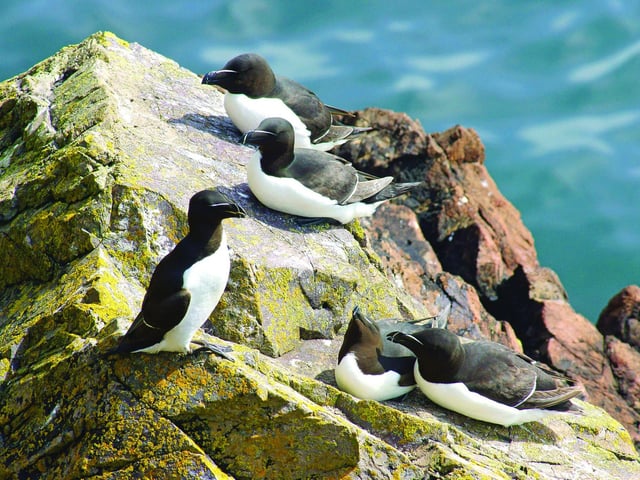
9. Razorbill
The NTS's St Abb's Head National Nature Reserve and its site at Mingulay in the Outer Hebrides are important nesting site for razorbills, which have an amber grading on the international list of birds for conservation concern Photo: NTS
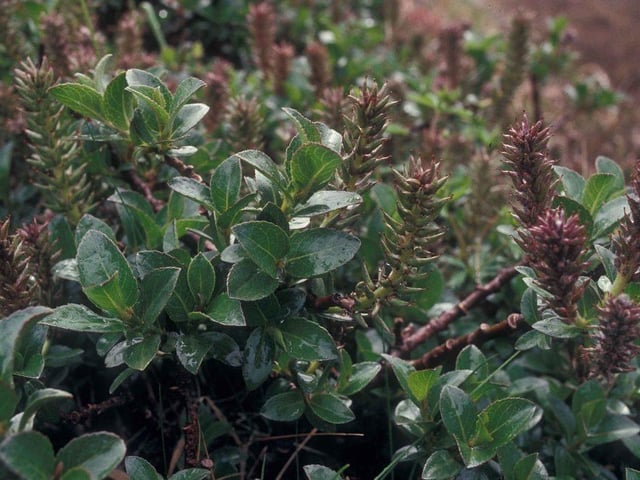
10. Whortle-leaved willow
Whortle-leaved, part of the NTS's priority mountain willow scrub habitat, is found at the charity's Ben Lawers site Photo: David Mardon
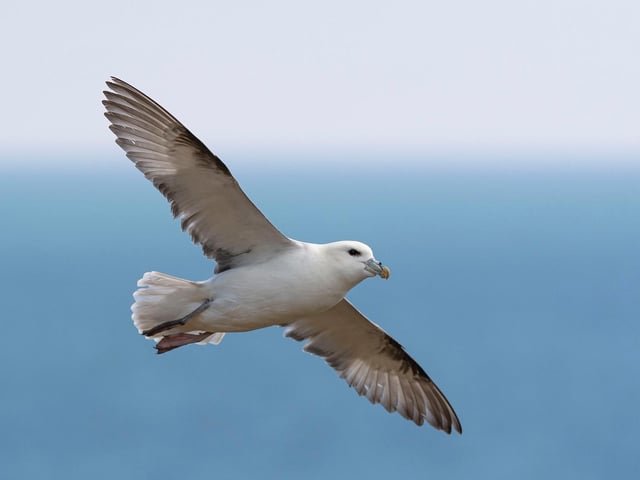
11. Northern fulmar
The northern fulmar is one of the globally important seabird species which should benefit from the NTS's conservation efforts on cliffs and islands Photo: NTS
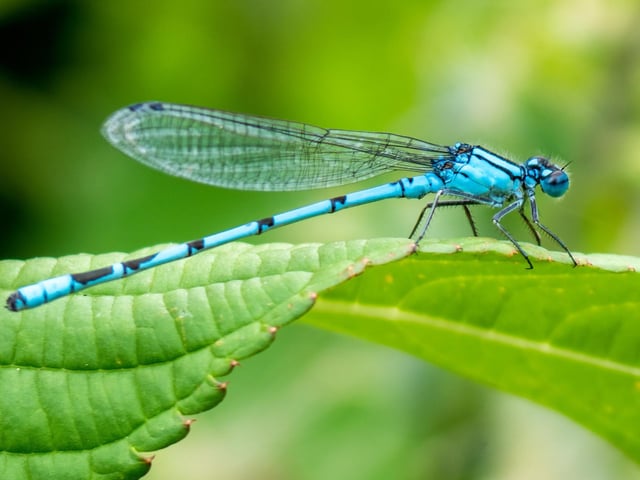
12. Damselfly
Damselflies are among the insects getting a boost through habitat conservation at Castle Fraser Photo: NTS