
Daniel Wyatt: Being a digital native should not come at the expense of being a child


Ban will not solve every problem, but it is important acknowledgement that childhood deserves protection, says Daniel Wyatt, rector at Kelvinside Academy
As an educator, I welcome the UK government's decision to introduce a ban on social media for under-16s.
Young people today are growing up in a world where digital literacy is essential. They are the first generation of true digital natives, with access to information, creativity and opportunities that previous generations could scarcely imagine. Yet being a digital native should not come at the expense of being a child.
For too long, we have accepted as inevitable a situation where some of the world's most sophisticated technology companies compete relentlessly for young people's attention. We should not be surprised that this has consequences. In schools across the country, their impact is seen every day.

The impact constant comparison can have on confidence, body image and mental health. The disagreements that once ended at the school gate continue late into the evening through phones and social platforms. Young people placing enormous value on likes, followers and online validation at an age when they are still developing their sense of identity. Having to deal with being deliberately excluded from social gatherings, only to see shared pictures of everyone else having a great time.
Excessive social media use also erodes time – to read, to play sport, to be bored, to build friendships face-to-face, and to discover interests and passions away from the influence of algorithms and advertising. These are fundamental building blocks of healthy development.
Last year, the Netflix drama Adolescence brought the extremes of social media into sharp focus, resonating with so many people because it shone a light on concerns that educators and parents have long recognised. Concerns that beneath the surface of these platforms exists a world that can expose young people to harmful content, distorted views of relationships, misogyny, bullying and unhealthy behaviours long before they have the maturity to process them.
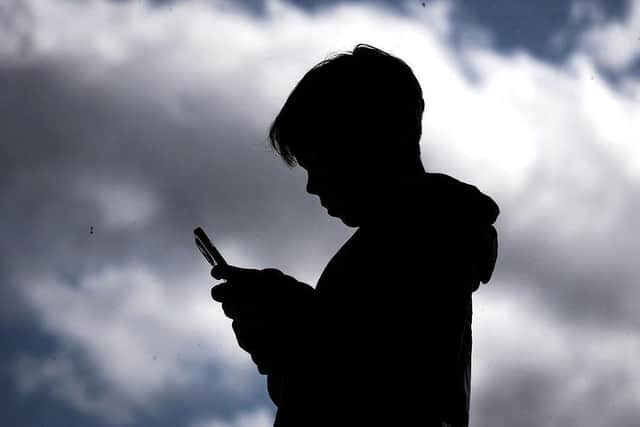
This morning across the media, we heard powerful testimony from parents whose children suffered devastating consequences linked to online harms. Their experiences represent the most extreme end of the spectrum, but they serve as a stark reminder that the risks are not theoretical. The UK is not acting in isolation, with countries including Spain and Australia already moving to introduce restrictions on social media access for younger users, while governments around the world are increasingly examining how to better protect children online. That should tell us something.
The Prime Minister's comparison with alcohol is one I broadly agree with. The fact that some young people may find ways around restrictions is not an argument against having them. Children have always found ways to test boundaries, but that does not mean we abandon safeguards designed to protect them from harm.
Of course, legislation alone will not solve this challenge. Parents, schools and, of course, young people themselves all have a role to play. We need to help children understand not just the rules, but the reasons behind them.
There is also a lesson here for all of us. Many of the behaviours we worry about in young people – endless scrolling, distraction, comparison and dependence on digital validation – are habits many adults recognise in themselves.
This ban will not solve every problem, but it represents an important acknowledgement that childhood deserves protection, that attention is precious, and that formative years are for schools and families to promote a sense of self, give knowledge and develop skills. The wellbeing of young people must come before the interests of technology companies.
That is a principle parents, educators and policymakers should unite behind, and one from which all of us could learn.
Daniel Wyatt is rector at Kelvinside Academy, an independent school based in the west end of Glasgow
Comments
Want to join the conversation? Please or to comment on this article.