
'Dangerous' delays to cancer care due to staff shortages, doctors warn

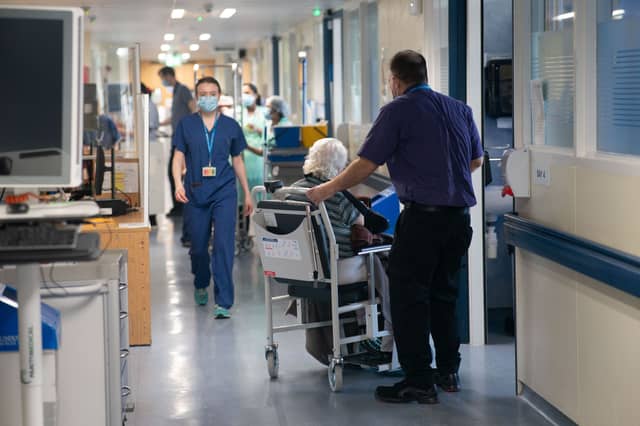

Royal College of Radiologists says ‘alarm bells should be ringing’ over shortfalls
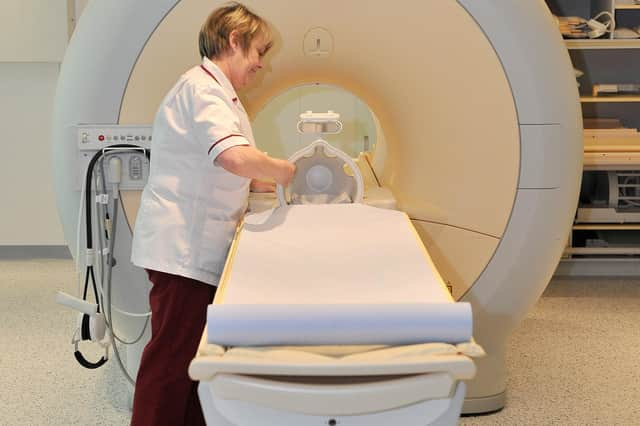
Patients across Scotland are suffering due to a shortage of specialist doctors capable of interpreting scans and managing cancer, leading to “extremely dangerous” delays, according to a leading health body.
The Royal College of Radiologists (RCR) said that a majority of radiology departments and cancer centre leaders across the nation warned that the staff shortfalls were impacting the health of those receiving diagnoses and treatment, describing it as a “shocking picture.”
The leading body of radiologists and clinical oncologists said “alarm bells should be ringing,” and that without “urgent action” to boost the workforce, more patients would suffer as a result in the face of rising demand.
In its latest workforce data report, the RCR said the problem was particularly acute in the north and east of Scotland, and stressed that a “heavy reliance” on expensive and short-term fixes, such as the use of locums, was making the problem worse.

Its report found that for the first time, six in 10 radiology and cancer leaders in Scotland say they have seen patients’ conditions worsen as a result of staff shortages, with nine in 10 expressing concern about backlogs and delays due to a lack of staff.
The RCR said that all cancer leaders have seen delays to patients starting drug-based treatments including chemotherapy, while eight in 10 have seen delays to radiotherapy, both as a direct result of staff shortages.
It added that diagnostic wait and cancer treatment targets continue to be missed, pointing to Scottish government data which shows that in 2025, almost 100,000 people waited over six weeks to have a scan or diagnostic test. Only 71 per cent of patients started cancer treatment within 62 days of a referral last year, against a target of 95 per cent.
The RCR stressed that delayed diagnosis leads to delayed treatment and can worsen health outcomes, particularly for people with cancer, where every month’s delay to starting treatment can increase the risk of death by around 10 per cent.
Dr Stephen Harden, president of the RCR, said: “For the first time, our census shows that patients’ conditions are deteriorating because of workforce shortages. Delays to diagnosis and cancer treatment are extremely dangerous, particularly in deprived and rural communities where shortages are worst.
“Despite our members’ extraordinary efforts, we simply don’t have enough clinical radiologists and clinical oncologists to meet rising demand. Recruitment freezes and growing reliance on outsourcing are making the situation worse not better.”
He added: “Alarm bells should be ringing for governments across the UK. Without urgent action to train, recruit and retain more doctors, more patients will suffer.”
The RCR said that the issues around training and retaining doctors which had led to chronic workforce shortages amounted to a “longstanding failure.” It said that across Scotland, the NHS has 28 per cent fewer radiologists and 18 per cent fewer clinical oncologists than is needed simply to meet current demand.
Such a shortage, it went on, had risen more this year than any other UK nation, with Scotland now worse off than England, Wales, or Northern Ireland. With an estimated 158,000 more people expected to be living with cancer in Scotland by 2045, it also predicted that unless action is taken to bolster numbers, the shortfall of radiologists and clinical oncologists would reach 37 per cent and 58 per cent respectively by 2030.
As part of the effort to deal with the gaps, NHS Scotland spent a record £21 million on outsourcing, paid overtime, and locums across radiology services last year, with the RCR claiming that the bill is on track to double to £40m by 2030.
It also warned that the majority of radiology leaders - some 69 per cent - were concerned about the quality of outsourced reports, with even more - some 77 per cent - concerned that they need to be double checked, adding to workloads and the length of time it takes for patients to receive scan results.
The professional membership body’s report has detailed a series of recommendations which it said would result in positive changes instead of “haemorrhaging money on short-term fixes.”
They include creating more permanent jobs for radiologist and clinical oncologists, supported by a sustained increase in the number of training places, and a targeted workforce investment programme in under resourced areas.
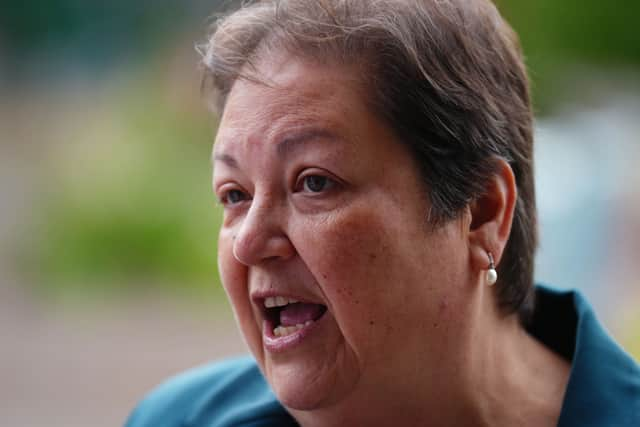
Scottish Labour health spokesperson Jackie Baillie called on the Scottish government to set out a “real workforce plan” for the NHS,
She said: “The SNP must listen to these stark warnings and ensure our NHS has the staff it needs to keep patients safe. Swift diagnosis and treatment can be lifesaving for cancer patients and that cannot be put at risk by staffing shortages.”
Miles Briggs of the Scottish Conservatives said his party would “slash bureaucracy” and ensure NHS resources are prioritised towards the frontline, adding: “Frontline staff are doing their best but the dire workforce planning from successive SNP health secretaries has left critical services dangerously short of staff and the resources they need.”
Scottish Lib Dem health spokesperson Adam Harley said: “This is alarming news at a time when we are already seeing a drop in survival rates for certain types of cancer. We need to take action to improve care and recruiting staff is at the heart of that.”
Health secretary Angela Constance said: “Whilst we are treating more patients with cancer on time within both standards compared to 10 years ago, I recognise oncology services are continuing to face pressure.
“We will be developing a national workforce plan with the NHS and in the meantime we have seen an increase in consultant oncologists and consultant radiologists in recent years. We are also investing up to £10.5m year by 2027 in chemotherapy and oncology services to ensure we build a sustainable workforce.
“The number of diagnostic tests being carried out has increased and we will continue to make progress to ensure patients get the right care, in the right place as quickly as possible.”
Comments
Want to join the conversation? Please or to comment on this article.