
Carbon capture is key but investors want to diversify
Julia Maguire says new technologies are now gaining serious traction among developers and venture capitalists
The global low-carbon ecosystem is entering a new phase in its maturity with Carbon Capture and Storage (CCS) continuing to dominate in terms of immediate plans for deployment, but there are early signs that venture capitalists and developers are looking to diversify.
Those are the top-line findings of a global survey conducted by Pinsent Masons which maps the priorities, opportunities and perceived risks that will shape investor sentiment in the low-carbon sector.
Our “Inside the Energy Transition” study surveyed 964 Venture Capital investors and technology developers worldwide who are actively deploying or funding low-carbon technologies.


It found that 99 per cent of UK respondents have invested in or already developed a Carbon Capture and Storage (CCS) project, with 79 per cent saying they plan to do so in the next year.
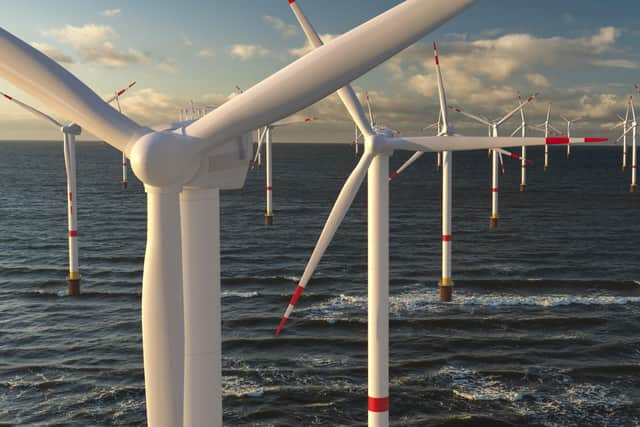
In contrast to the forecast 20 per cent drop in CCS investment over the next 12 months, it is predicted there will be increased activity in e-fuels (28 per cent up from 15 per cent) in low-carbon hydrogen projects (25 per cent up from 4 per cent) and wind power (17 per cent up from 7 per cent), while interest in Nuclear Fission remains the same at around 29 per cent.
The emergence of technologies now gaining serious traction, from the resurgence in low-carbon hydrogen, to e-fuels and nuclear fission to geothermal and even tidal power, tells us that diversification is high on the agenda for players in this market.
Reasons which prevented companies investing in low carbon in the last 12-24 months included an unstable regulatory landscape (50 per cent), lack of government-backed incentives (44 per cent) and high cost of compliance (30 per cent).
Understanding that carbon credit alignment is appealing because of its ESG and climate value, the study also examined the importance investors place in technologies with guaranteed carbon credit eligibility.
All UK developers surveyed (100 per cent) and 98 per cent of investors agreed this was a core feature, however 78 per cent found it difficult to keep up with changing regulation, while 85 per cent agreed that international regulatory divergence created barriers to scaling carbon credit solutions.
UK respondents also reported making use of foreign governments’ financial incentives for developing and investing in low carbon technology, with 34 per cent active in Germany, 31 per cent in Australia and 29 per cent in Hong Kong. Tax credits were useful to 42 per cent of UK respondents, 38 per cent took advantage of loan guarantees and 35 per cent Contracts for Difference.
This data tells us that carbon/greenhouse gas removal credits have moved from an ancillary consideration to a defining feature of how low-carbon technology is explored and financed.
Investors are prioritising projects that can offer credible, guaranteed credit alignment, and developers are increasingly designing projects with carbon credit eligibility at their core. The research highlights there is still work to be done in addressing the barriers created by complex verification processes and regulatory divergence if carbon credits are to reach their full potential in supporting net zero ambitions.
Supply chains need to align with where capital is flowing, otherwise there is a real risk that otherwise viable low carbon projects will be delayed, less efficient, or struggle to reach final investment decision.
If activity accelerates, as anticipated by this research, in areas such as hydrogen, geothermal and tidal, we believe that the ability to secure materials, manufacturing capacity and logistics at pace will be a decisive factor.
Julia Maguire, Partner and Global Head of Energy & Natural Resources at Pinsent Masons
Comments
Want to join the conversation? Please or to comment on this article.