


Whitney Houston’s ‘I Wanna Dance with Somebody’ is the most popular wedding song of all time, according to recent research.
Experts at the wedding discovery platform Breezit analysed data from 2,000 wedding-themed Spotify playlists.
These playlists were sourced from titles including “Wedding dancefloor,” “Wedding party,” “Walking down the aisle,” and “First dance songs.”
The study then analysed the 49,091 songs that featured in the selected playlists to calculate each song’s total number of appearances, which then determined the final ranking.
Here are the top 10.
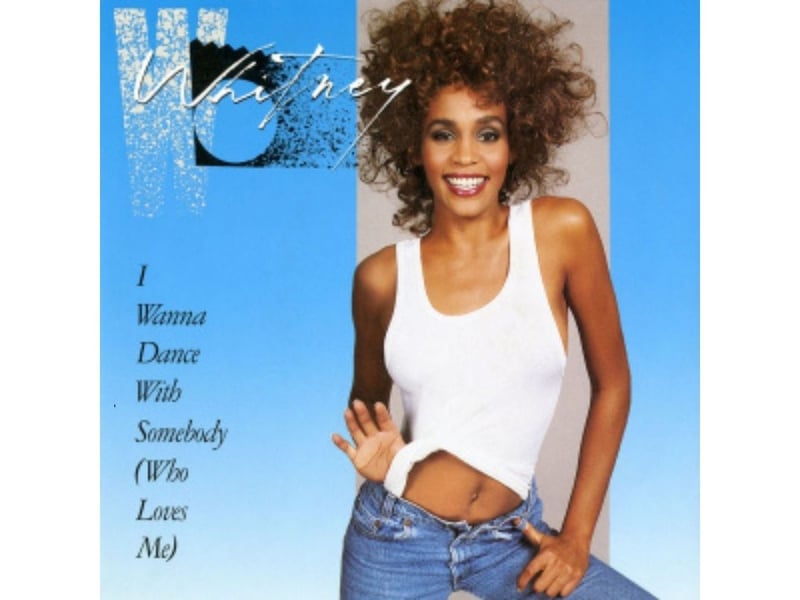
1. Whitney Houston: I Wanna Dance with Somebody (Who Loves Me)
The study reveals that I Wanna Dance with Somebody (Who Loves Me) by Whitney Houston is the most popular wedding song of all time. The iconic song, which was released in 1987, appeared 484 times across 2,000 wedding playlists on Spotify. According to the study, I Wanna Dance with Somebody featured in 24.20% of the examined playlists. | Contributed
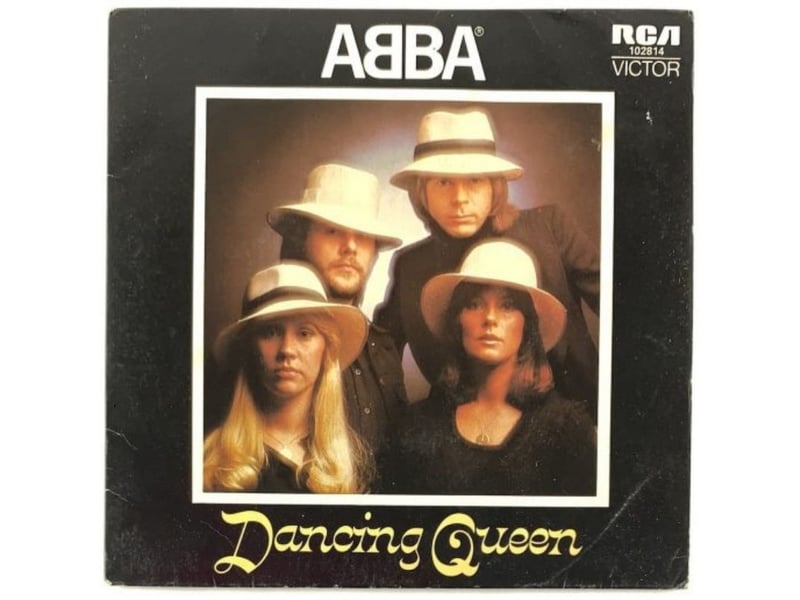
2. ABBA: Dancing Queen
Dancing Queen by ABBA is named as the second most-popular wedding song, with 394 appearances across the selected playlists. The 1976 song featured most prominently under the category “Wedding dancefloor.” The study found that the song appeared in 19.70% of wedding-themed playlists on Spotify. | Contributed
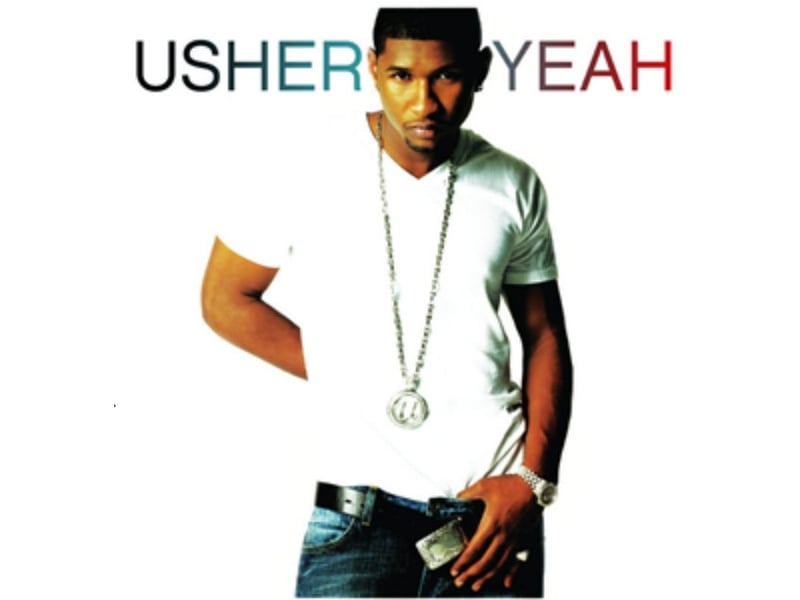
3. Usher: Yeah
Usher’s Yeah, which features the rappers Lil Jon and Ludacris, is named the third most-popular wedding song. The song, which was released in 2004, appeared in 19.50% of the wedding-related playlists on Spotify and appeared most frequently in the categories “Wedding dancefloor” and “Wedding party playlist.” | Contributed
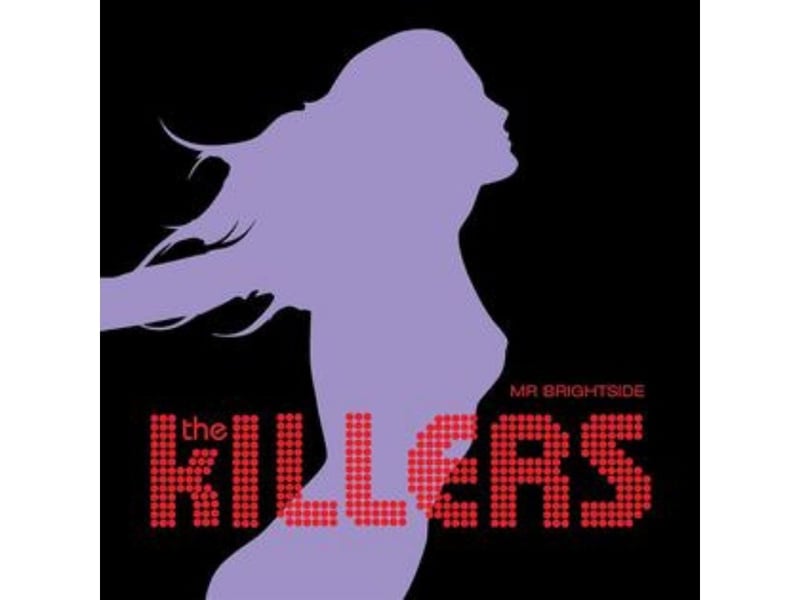
4. The Killers: Mr. Brightside
Mr. Brightside by The Killers takes fourth place, appearing in 18.80% of wedding-related playlists on Spotify. The iconic song appeared 376 times in the selected playlists. | Contributed