
Winter Dog Walk Advice: Here's how to keep your adorable pup safe in icy weather and shorter days
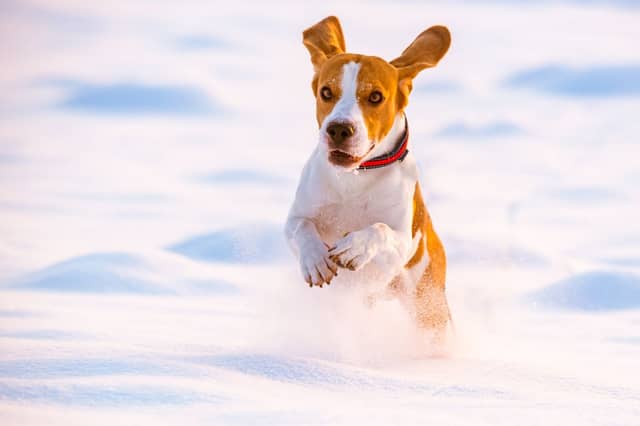

Here’s how to take care of your dog on walks before the warmer days of spring arrive.
As we draw closer to Christmas, the change in seasons also brings a change in weather.
From icy pavements and salt-treated roads to freezing temperatures and limited daylight, winter conditions require extra precautions to keep your pet safe and comfortable.
With parts of Scotland expected to be hit by a ‘brutal’ arctic blast in the coming weeks, it's super important to take extra precautions to keep your furry friend safe on winter walks.
The team at Tails.com has shared five tips you can implement to ensure your evening or morning walks remain a safe and enjoyable experience for both you and your dog.
Here’s what they had to say.
Make sure you and your dog are as visible as possible
One of the most important things you can do to protect yourself and your pup while walking in winter is to ensure that you are both visible to passing traffic. Keep in mind that with the evenings and mornings becoming darker and with weather conditions worsening, it can make it almost impossible for others to see you. When it comes to increasing your visibility, try to avoid wearing dark clothing. Instead, opt for neon and reflective fabrics, paired with headlamps or other lights that you can attach to your clothing. You can even purchase ones that you can attach to yourdog's harness and collar. Attaching lights to your body or wearing a headlamp leaves your hands free to keep control of yourdog, which is particularly important if you’re walking on a narrow pavement. Similar to how many cyclists use headlights when biking in the dark, use a collar light to ensure that you and others can see your pooch. Additionally, you could purchase a harness or coat for yourdogwith reflective material on them, so you both can be easily spotted when crossing roads.
Ensure your dog stays warm
Whether your dog has an abundance of fur or thin fur, it’s always important to feel their body temperature. Make sure you check their ears, feet, and limbs, as those areas are more challenging to keep warm while walking in the dark. If your dog’s body is not warm to the touch, they will benefit from a winter coat or fleece. You may also want to consider a snood to protect their ears and neck and/or a thermal overall suit to protect their legs from cold wind or mud and keep their thighs warm. Since the ground may be less visible, dog booties can help protect your dog’s paws while also providing traction. There are additional dangers when walking in the dark, as it can be more difficult to see broken glass or sharp objects on the ground.
Be contactable and alert
Always take a fully charged phone out with you, in case you or your pooch encounter any danger — and make sure you have an emergency vet saved in the contacts. It’s important to take the correct precautions, even if you think you might be unlikely to need them, as having a way to contact others will give you peace of mind. When it’s challenging to see, you need to rely on your hearing more than ever to know exactly what’s going on around you. Leave your headphones at home when walking your dog, so that you can pick up on potential dangers around you. Additionally, it’s important to tell someone where you have gone, whether that’s a family member or friend, and how long you’ll be. You can even download a Find My Friend app that will help others locate you if you feel threatened or scared when out walking alone in the dark.
Be wary of antifreeze
Rock salt is a mixture of salt (sodium chloride) and grit and is an effective way to reduce ice buildup on roads during the colder seasons. As we edge closer to Christmas, grit laid out on the road will become more common and less visible due to the darker mornings and evenings. However, road salt can be extremely dangerous to dogs, as it can irritate the dog’s skin, causing dryness, cracking, and even burns to a dog’s pads. Even more dangerous for dogs, if they lick it from their paws or fur, they can ingest the chemicals, which can be toxic. Symptoms of salt poisoning include drooling, vomiting, diarrhoea and loss of appetite. In more severe cases, it can result in seizures and even death. This is why dogowners need to clean their pet’s paws after coming home from a walk in autumn and winter.
Consider personal safety
Walking in the evening can be scary, especially during winter when it’s dark. If you feel like an area or situation may be threatening, don’t wait around to find out. If you feel that you are in danger, walk as quickly as you can to a well-lit public place. It’s always best to avoid walking alone when it’s dark outside. However, sometimes it’s simply unavoidable. That’s why it’s important to have personal safety. This can come in many forms, from alarms and whistles to blinding lights and sprays that will cause disorientation for an attacker. If you’ve never owned a device like this before, personal safety alarms are the best place to start.
Comments
Want to join the conversation? Please or to comment on this article.