


Sadly every year young people drown in open water, and according to statistics from the Water Incident Database, there were 277 deaths in the UK from accidental drownings in 2021.
Elliott Davidson from online open water swimming experts Swimguard.co.uk has revealed the hidden dangers lurking under the surface.
His tips will help to keep you safe and potentially save your life if you dive in this summer.
He explained: “People love to swim in the open water, especially when the sun’s out and the temperature is sky-high but you need to make sure you’re aware of the risks before heading into the water.”
Here’s what he had to say.
Read more:
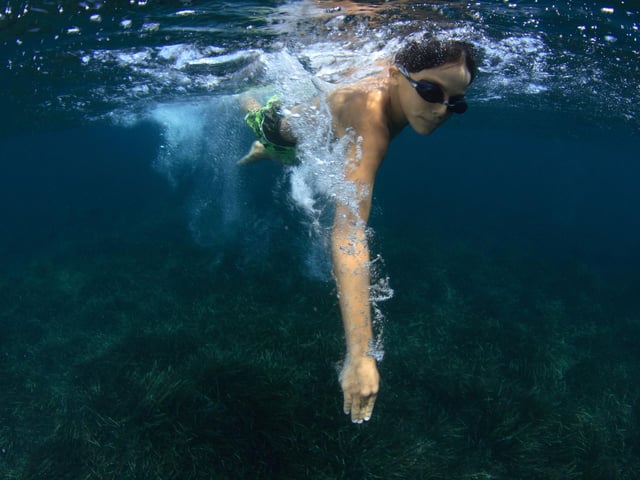
5. Understand currents
Currents can be an invisible killer on the water and can change in an instant. While they can be almost impossible to predict, you should still try to learn as much about them as you can, as well as be aware of where they’ll most likely be strongest. The worst thing you can do if you get caught is to try and swim against it as you’ll soon tire yourself. Instead, call for help, stay afloat, and try to swim parallel to the shore if you feel comfortable doing so, Photo: Canva/Getty Images
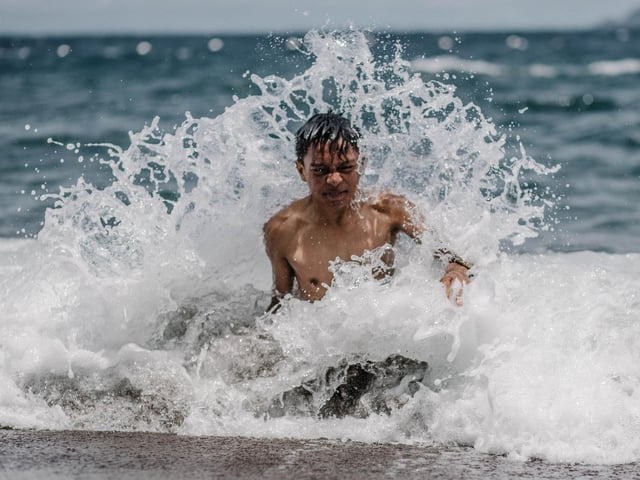
6. Be aware of the water quality
Stagnant water can be harmful to your body if you ingest it due to the variety of water-borne bacteria that fester when there’s n supply of fresh water. If you do find yourself in the water, try your best not to ingest any water and keep all cuts covered and ideally out of it entirely. Photo: Canva/Getty Images

7. Have the right equipment
It’s really important that you have the right gear on you when you head into the water, these pieces of equipment can be genuinely life-saving and are definitely worth the initial investment. Photo: Canva/Getty Images
8. Check your surroundings
Be aware of what’s going on around you as it could actually save your life. If you're going to be swimming in a lake then try and find out how deep it is before getting in; if it's too deep then it might not be safe for you to swim there. Manmade water points can be harmful if you ingest the water, but they can also be filled with harmful items. Many of these sites are disused quarries and at the bottom, it’s not uncommon to find old machinery which can be dangerous if you come into contact. Photo: Canva/Getty Images