
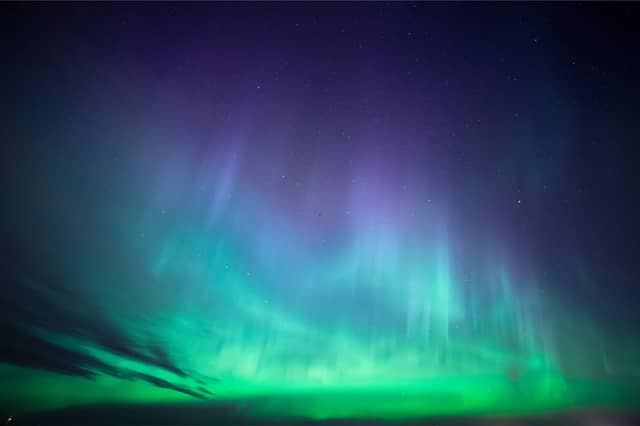

Seeing the Northern Lights appears on many people’s ‘bucket lists’, with hordes of tourists flocking to Iceland each year hoping to catch the magical sight.
But Scottish people probably won’t have to travel so far this autumn and winter, as the solar activity that creates the perfect conditions to see the phenomenon is at its maximum point in 2025.
The sun reaching the peak of its 11 year ‘activity cycle’, when it ejects huge numbers of electrically charged particles towards our planet.
Some of these particles collide with the Earth, with some becoming caught in the planet’s magnetic field, where they are attracted to the north and south poles.
This collection of particles collide with atoms and molecules already present in the atmosphere, heating them up and causing them to glow – creating the Northern Lights.
You’ll have to wait until 2036 for the next time it’ll be as likely to see the Aurora Borealis.
As if to prove the point, they were visible in skies across the UK on the first day of autumn, on the evening of Monday, September 1.
The closer you are to the North Pole, the higher your chance of seeing them, and Scotland is far north enough to offer plenty of opportunities.
There are also plenty of great Scottish locations where the skies are dark enough for the lights to shine - away fom the glare of cities and towns.
Of course you need to be lucky, but a regular check of the Aurora Watch website, which measures the amount of solar activity each day, will let you know when it’s worth heading out to try your luck. If you get a red warning then hop in the car and drive somewhere dark.
Here are 11 of the best places in Scotland to go aurora hunting.
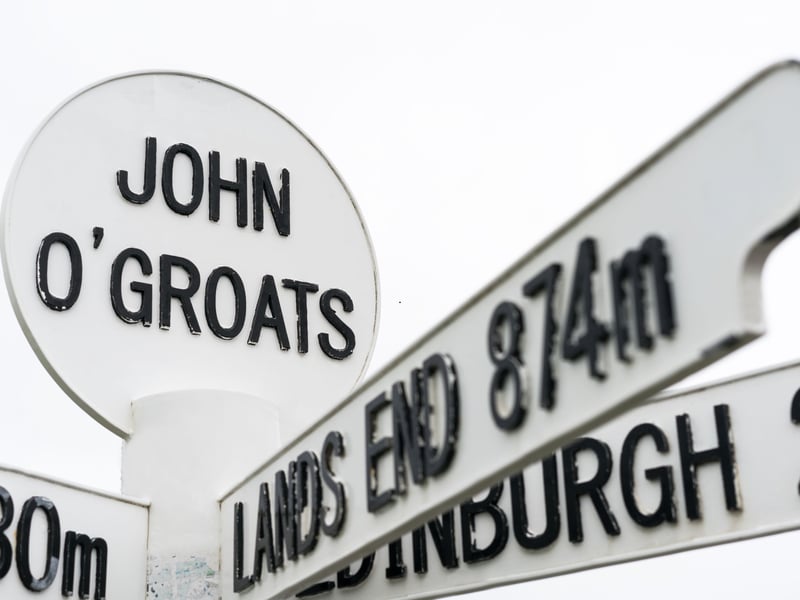
1. John O'Groats
You can't get further north in mainland Scotland than John O'Groats (well, technically you can, but nearby Dunnet Head isn't as famous), so it's a great place for the Aurora Borealis. A short walk towards Wick Cove will quickly take you away from the majority of artificial light, with a great view of the skies off Scotland's north coast. | Canva/Getty Images
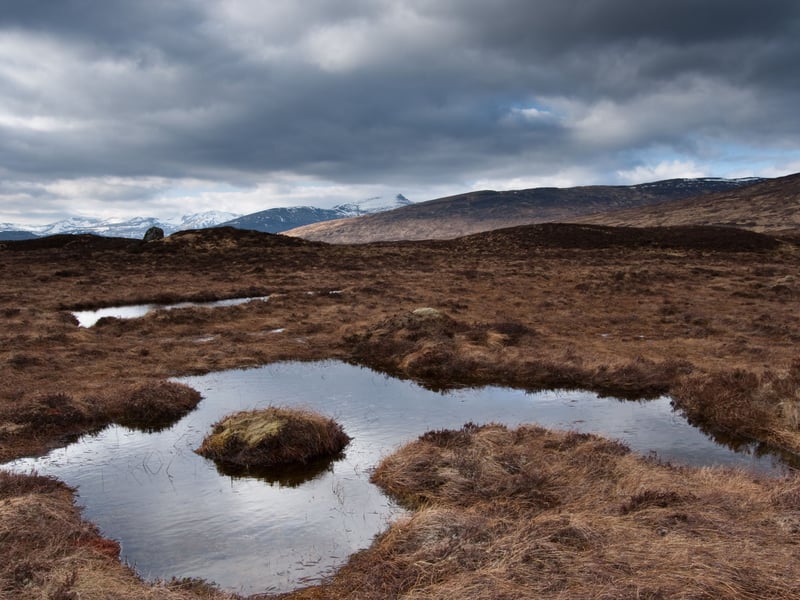
2. Canva/Getty Images
The 50 square miles of boggy and peaty wilderness of Rannoch Moor, in the southern Highlands, is pretty much completely flat, meaning you have a great view of the sky. If the clouds stay away and you get the timing right, you could enjoy a spectacular light show. | Canva/Getty Images
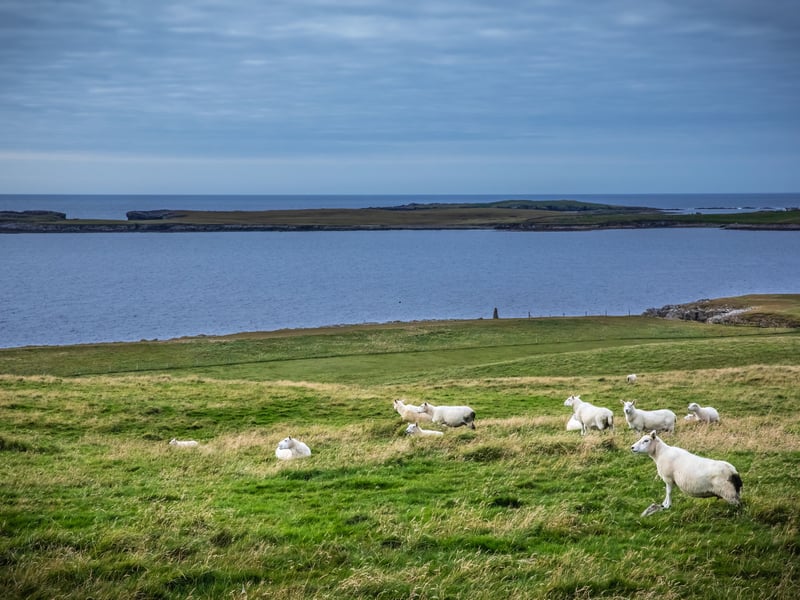
3. Shetland
Given you have more chance of seeing the lights the further north you go, it's no surprise that the Shetland Islands - the furthest north you can get in Scotland before you get to the Faroe Islands - provide one of your best chances to see the colourful phenomenon. | Canva/Getty Images
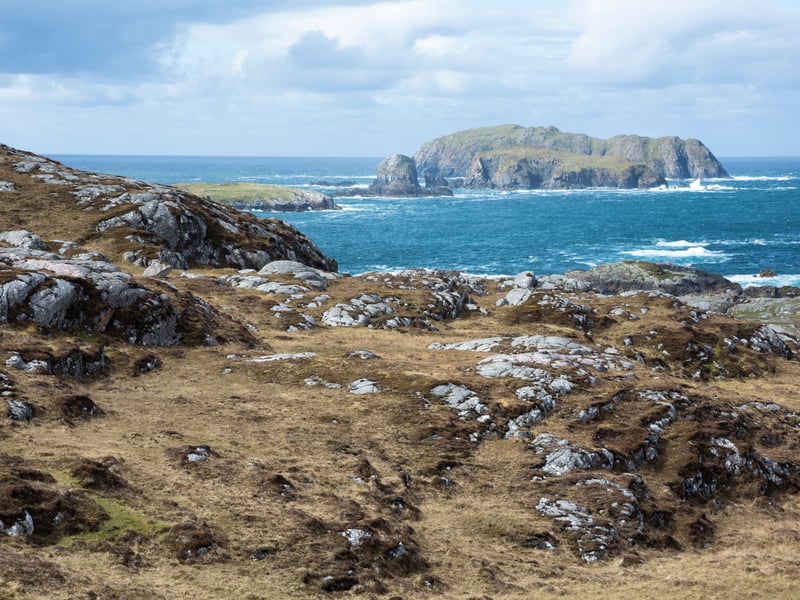
4. The Outer Hebrides
Another island destination offering the perfect combination of dark skies and a northern latitude is the Outer Hebrides. For a truly magical experience, try to see them over the atmospheric Callanish Standing Stones on Lewis. | Canva/Getty Images