


With the cold days and nights now hopefully behind us, May is one of the busiest and most colourful months for Scottish wildlife.
April saw mating seasons begin in earnest and many of these continue in May, while the first young animals are born, venturing out into the world to explore and learn.
Meanwhile, most of the animals that migrate to Scotland to spend the summer in our relatively mild climate have now arrived – often in spectacular numbers.
The final animals have now emerged from their winter hibernation and insects take to the wing after spending the colder months safely contained in pupae and cocoons.
It’s also the time of year when we humans start to spend more times outdoors – becoming more aware of the natural world around us.
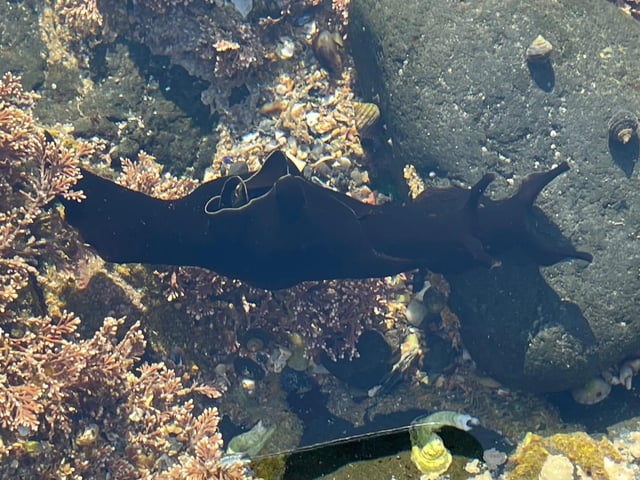
5. Go rockpooling
May is a great time to go rockpooling at low tide around Scotland's coastline. A sunny day with little wind will give you access to a fascinating underwater world without even having to get your feet wet. Look out for the weird and wonderful sea hare (pictured), a strange shell-less snail that grazes on seaweed. Photo: JPI Media
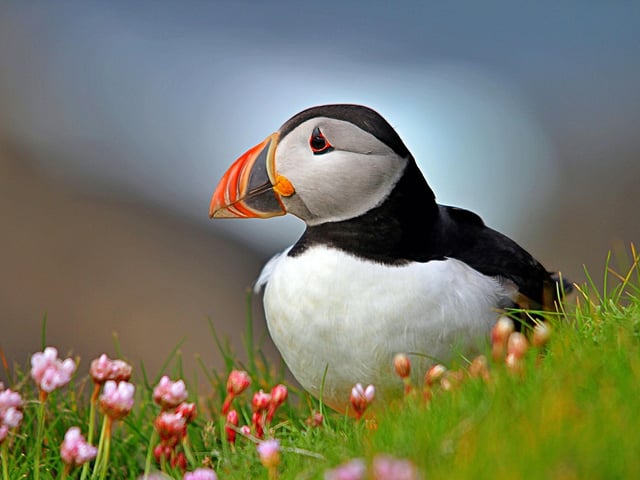
6. Enjoy the antics of the clowns of the sea
Puffins started to arrive in Scotland last month but May is perhaps the best time to enjoy their antics. For those in central Scotland, the Isle of May in the Firth of Forth is the easiest place to visit to see the 'clowns of the sea'. Other islands that host colonies are Orkney, Shetland, St Kilda, Mull, and the Trenish Isles. Photo: Canva/Getty Images
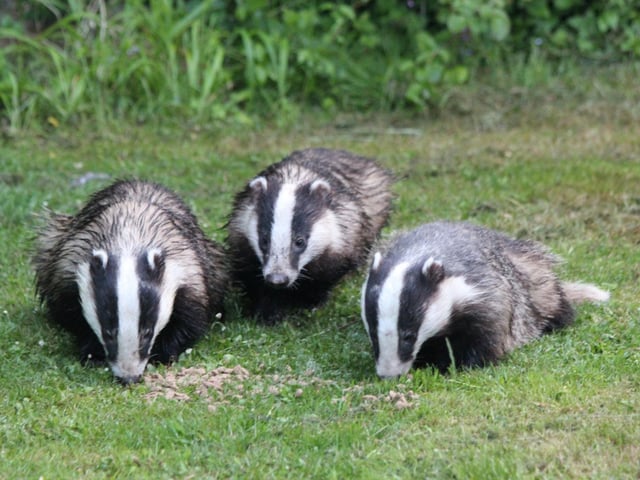
7. Baby badgers step out for their first evening adventures
If you are lucky enough to live next to a badget sett then May is when the adorable cubs start to venture out for evening adventures. Flattened vegetation is one of the most commen signs that you have badger visitors to look out for. Photo: Canva/Getty Images
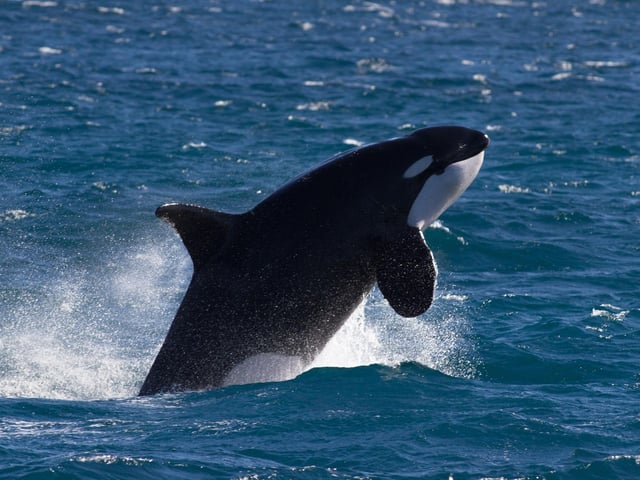
8. A killer arrives in Scottish waters
May is the month when Orcas, the fearsome largest member of the dolphin family also known as killer whales, arrive in Scottish waters. You need a bit of luck to see one, but they can be found in the far north around the Shetland, Orkney and Hebridean islands - where they come in close to shore to feed on the common seals who are rearing their pups on beaches. Photo: Canva/Getty Images