


Temperatures are still cold until March heralds the start of spring – with average temperatures struggling to get above 6C – but it’s still possible to spot butterflies, flowering plants and many of Scotland’s most iconic creatures.
Indeed, the lack of leaves on deciduous trees means that animals that tend to be hidden by plentiful foliage during the rest of the year are easier to see.
Meanwhile, the relatively low levels of tourism at this time of year mean that you have a greater chance of getting wildlife spotting destinations all to yourself – with more chance to catch shy creatures that generally give crowds of humans a wide berth.
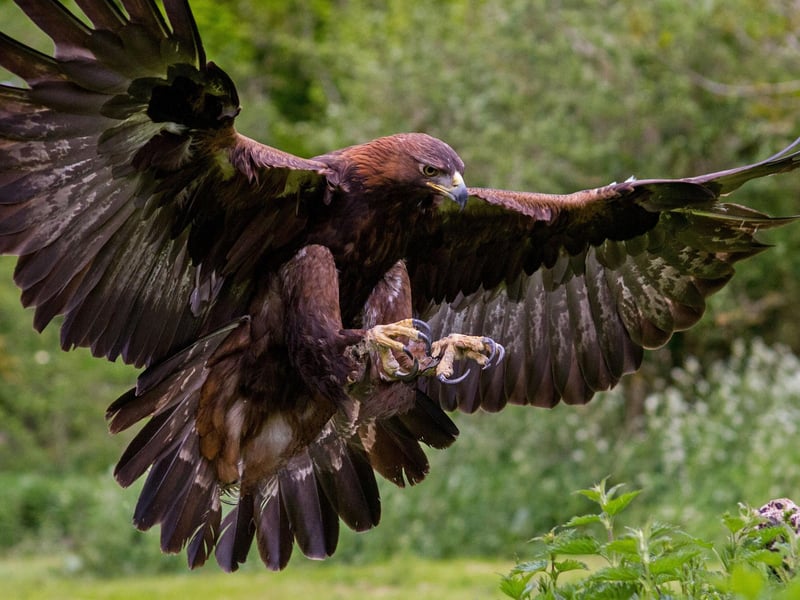
9. Take advantage of the shorter days to see Britain's two largest bird breeds
The island of Mull is a wildlife paradise all year round, including being home to the UK's two largest raptors - the white-tailed sea eagle and the golden eagle. Reduced daylight hours in the winter mean less time to feed and an incresed chance of seeing them. The same is true of the otters that live on th Mul coast. Photo: Canva/Getty Images
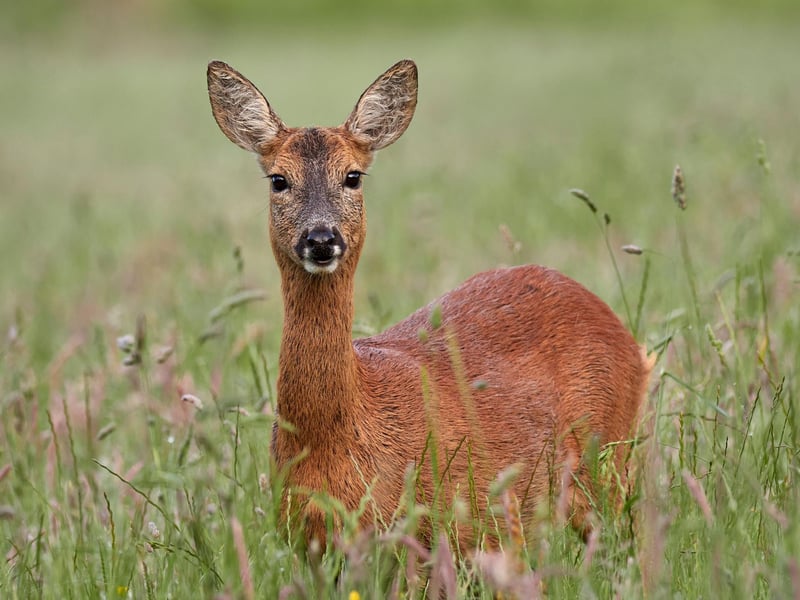
10. Roe, a deer!
All four of Scotland's deer species - red, roe, fallow and sika - can be seen during winter, but it's the roe deer you are most likely to spot. A walk in any local wood - including in some city parks - is likely to result in a sighting, particularly as they're easier to see when trees and hedges are bare. Photo: Canva/Getty Images