
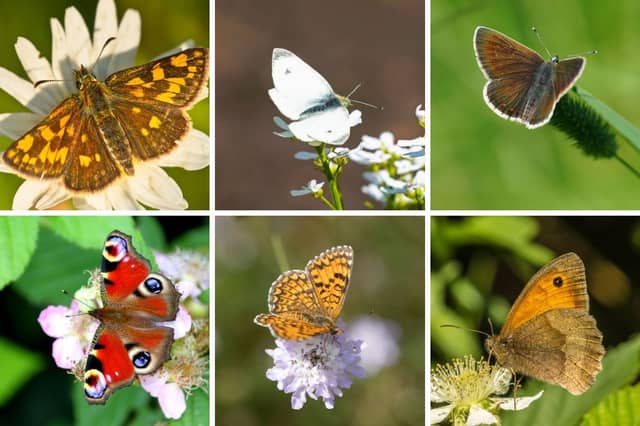

The latest results from the annual UK Butterfly Monitoring Scheme (UKBMS) were published last week and the red admiral stole the headlines north of the border - with the butterly having its best ever year in Scotland.
The UKBMS, which began in 1976, is one of the world's longest-running insect monitoring schemes, led by Butterfly Conservation, the UK Centre for Ecology & Hydrology (UKCEH), British Trust for Ornithology (BTO) and the Joint Nature Conservation Committee (JNCC).
The latest results show a "mixed picture" for UK butterflies in 2023, with some species soaring while others continued worrying declines.
Across the UK, half of the 58 species had a better than average year while the other half were below average at monitored sites.
In Scotland, where 27 species (out of 35 native species) were monitored across 269 sites, 16 species increased in abundance compared with 2022, with ten in decline and one showing no change.
The figures also show how species have fared over the last decade, giving a fascinating picture of the butterflies you are now far more likely to see in Scotland than back in 2014.
Here are the 10 species of butterfly that have enjoyed the largest rise in numbers in Scotland over the last 10 year.
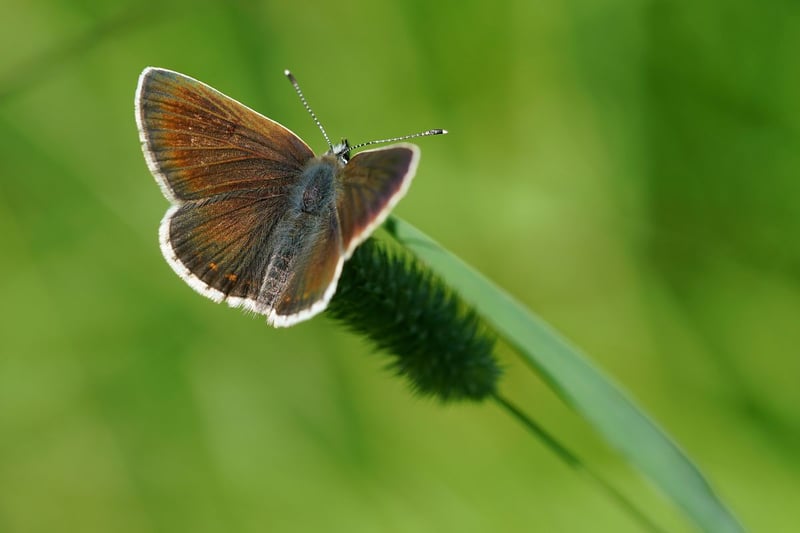
9. Northern Brown Argus
This is one of the trickier butterflies to see in Scotland, you still have a better chance than 10 years ago, with numbers up 55 per cent. Often confused with the female common blue, but with no hint of blue on the upperwings, the northern brown argus can be found in the south east of Scotland and the Borders. Particularly fond of sunny slopes in coastal areas such as the Fife Coastal Path, they are on the wing from May until July. | Canva/Getty Images
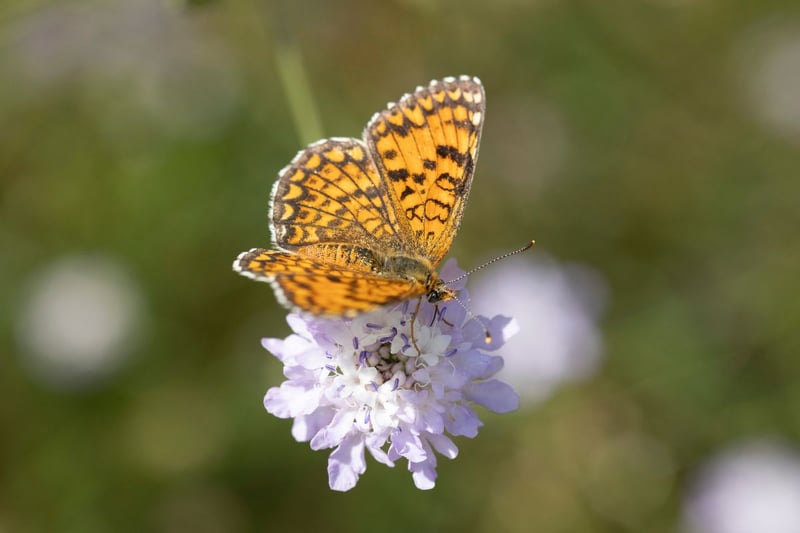
10. Pearl-Bordered Fritiallary
There are 53 per cent more pearl bordered fritillaries in Scotland than in 2014 - making them the tenth most successful species on this list. Early May to the middle of June is your best time to see the orange-and-black butterfly. Look out for them flitting over moorland, sunny hillsides and bracken-covered areas. They can be distinguished from the very similar small pearl-bordered fritillary from the larger number of white markings on the underside of the wing. Despite the name the two butterflies are pretty much the same size. | Canva/Getty Images