
Martyn James: What to watch out for when renting a car
Some car hire firms prey on unsuspecting travellers, so prepare for the worst, says Martyn James
It’s the holiday season, which means thousands of people every week will be hiring a car to make the most of their getaway. However, car hire companies are also responsible for some of the most outrageous cash grabs on unsuspecting travellers, thanks to complicated contracts and excessive damage repair bills.
Not all companies are bad, but I hear from so many readers about poor service and huge charges that it makes sense to prepare for the worst – then hopefully you’ll be pleasantly surprised. Here’s my guide.
Your car hire checklist
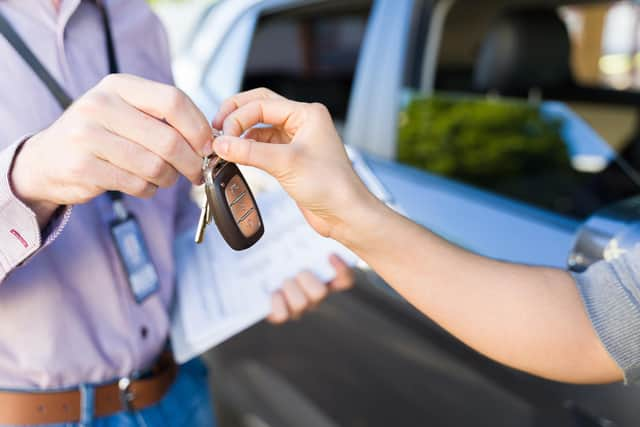

Credit cards. To hire a car, you must have a credit card in the name of the driver and you’ll need to bring that specific card with you too. The car hire firm will then check to see if you have enough credit. This is usually the total rental cost plus a ‘security deposit’ that ranges from £200 to over £1,000. Why so high? Well, if you are found to have damaged the car, the firm will debit your credit card for the repair costs.
Damage excess fees. When comparing car hire firms, look for the damage or collision ‘excess’ fee. This is what you have to pay if there’s a crash or minor damage to the vehicle that needs to be repaired. It’s not unusual for this to be £1,000 or more.
Car hire excess insurance. To cover you for this excess fee, the business will sell you insurance, just in case there is an accident. These policies can cost up to £300 or more – but you can easily buy alternatives online for as little as £12 a week. Make sure the policy you buy covers the make and model of the car you are hiring.
Scratches and dents. By far the biggest complaint about car hire comes when the business claims that minor bumps or scrapes require major repairs. A few years back I took part in a radio interview when a man representing the industry admitted that in some cases the firms hadn’t even made the repairs! This is where you’ll need that insurance policy.
High pressure sales. Watch out for ‘upselling’ when you arrive to collect your vehicle. Beware vehicle upgrades that invalidate your pre-purchased insurance, fuel-guzzling cars and other additional expenses. If the firm claims that your pre-booked vehicle isn’t available, insist on the insurance policy for free – or try to change the one you’ve bought already.
Fuel problems. You may be charged if you don’t return your car with a full tank of fuel. Or alternatively you may be asked to return it almost empty. Ask about any petrol penalties before you leave the desk.
Extras. Late pick up or plane landing late? That’ll be extra. Roof rack or child seat? Extra.
My tips to avoid being ripped off when hiring a car abroad
- Book in advance, compare prices and read all the documents before you travel.
- Check the excess fees – the higher they are, the more you’ll pay if the firm claims there is damage.
- Take out a damage/collision insurance policy (sometimes called ‘zero excess’). Don’t buy the car hire policy – online options are much cheaper.
- Ask about the deposit. If the firm ‘ring-fences’ a deposit, you can’t spend that money. If they debit your card and refund you on returning the vehicle, find out how long it takes for the credit to come back and if you can pay in the local currency, so you don’t lose out on exchange rates.
- Video the car from all angles. A representative from the firm will sign the car out with you. Make sure they write down every mark or scuff on their documents and photo the car from all angles too (check the boot). Do the same when you return the car.
- Keep all the paperwork and receipts for things like petrol.If you are in an accident, call the police and get copies of all documentation. Make sure you’ve checked with the hire firm what their procedures are too.
Martyn James is a leading consumer rights campaigner, TV and radio presenter and journalist. Read more from him here
Comments
Want to join the conversation? Please or to comment on this article.