
Martyn James: Beware of a big electric shock from travel devices
Watch out for dodgy and downright dangerous adaptors and chargers, writes Martyn James
I often write about product recalls and how to spot dodgy online retailers. But sometimes buying an item that seems legitimate can result in serious risks to your safety. New research by Electrical Safety First found that all 14 travel adaptor plugs they bought and tested from major online retailers all failed basic safety tests. What’s more, some could give you electric shocks and – alarmingly – a risk of electrocution. Further research by Which? found that nine out of 15 usb phone charges they tested were so badly made they too could also shock you – and eight posed a fire or explosion risk too.
Sue Davies, from Which? said: “Badly designed electricals can have life-altering – even fatal – consequences. It’s appalling that online marketplaces continue to fail to prevent dangerous products from reaching consumers, despite countless warnings.”
But how do we know what is safe to buy? After all, Which? found a fake Apple charger on eBay that appeared the same as the original.
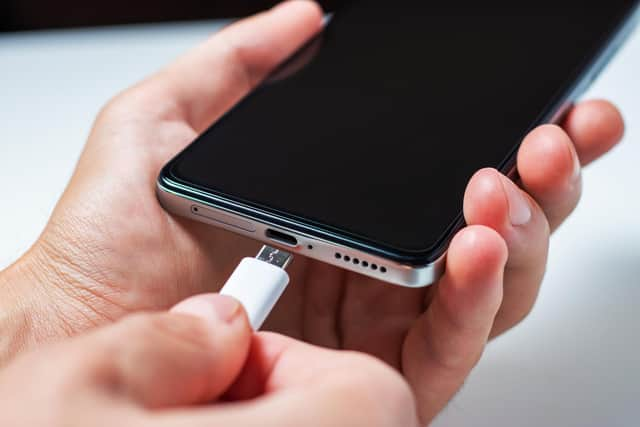

Lewis Collantine from Trading Standards gave me his checklist of the four things to watch for if you are shopping for travel adaptors online:
- Multiple pins can be deployed simultaneously. These are plugs with fold out or pop out prongs.
- No ‘safety shutters’ on three-pin socket holes. If you can see inside the plug through the socket holes, then be wary.
- Very small-size plugs suggest that there is no fuse inside. Some plugs were found to have weights in too to make them feel more substantial.
- The British safety standard for travel adaptors is "BS 8546" and should be marked on the travel adapter
Fraudsters can fake many of these things, so caution is king. Bear in mind that the adaptors and charges in both investigations were all bought from major online retailers.
I spoke to Giuseppe Capanna, from Electrical Safety First to get his tips on what to watch for.
- Always buy from a reputable high-street retailer you know and trust. Avoid third-party sellers on online marketplaces, as they have no legal responsibility for the safety of goods sold by third parties on their platforms, leaving you vulnerable to substandard products.
- Don’t buy on price alone as you may get more than you bargained for. Cheap electrical products may have cut corners to keep costs down.
- If the plug looks unusual, oddly shaped or resembles a clover shape, don’t buy it.
- Don’t rely solely on good reviews. Be cautious of products with only five-star ratings, particularly where reviews are not from verified purchasers. Some websites label reviews from customers who have actually bought the product, helping you identify more trustworthy feedback.
- Be cautious of claims like ‘genuine’, ‘CE certified’ or ‘approved’. These claims should always be checked, as reputable retailers rarely need to rely on these terms to prove a product’s quality.
- Spelling mistakes, poor grammar or low-quality packaging are also warning signs that the seller has not taken care in producing the product.
- Look out for a CE or CA mark, but don’t rely on it alone. A CE or CA mark does not guarantee a product is safe, and it should not be treated as the only sign that a product meets the required safety standards.
- Avoid charging electrical products overnight or while you’re asleep. If something goes wrong, you may not notice it quickly enough to take action. Charge devices when you’re awake and able to keep an eye on them, always use the charger and cable supplied by the manufacturer if supplied with one, or use a USB charger from a reputable retailer if its USB powered.
So how are these businesses getting away with such blatant selling of dangerous goods? I understand that the government is considering introducing new rules to force online retailers to be accountable for goods sold on their websites.
But for the time being, even with legitimate plugs and chargers, unplug the item if you are out of the room. They aren’t made to be on all the time.
Martyn James is a leading consumer rights campaigner, TV and radio presenter and journalist. Read more from him here
Comments
Want to join the conversation? Please or to comment on this article.