
How to create the perfect coffee station at home
When it comes to coffee, staying in is the new going out, so expert Barista Trainer, Jack Ellis, spills the beans on how to turn your kitchen into the ultimate coffee destination.
With coffee costs hitting record highs, a new home essential is brewing… the coffee nook. Dubbed ‘Cafécore’, this cosy, caffeine-fuelled trend is seeing coffee lovers carve out stylish spaces that bring the café experience into their own kitchens - without the price tag (or the queues!).
Over on TikTok, creators are proudly showcasing their at-home coffee corners, with #coffeeathome garnering over 164k posts. But while it’s easy to style a coffee nook that looks the part, creating a set up that delivers barista-level brews is a taller order which requires a little more know-how.
That’s where expert barista trainer Jack Ellis steps in. A rising star in the UK coffee scene, Jack is a passionate advocate of Cafédirect’s ethos of coffee done right, which is why he’s lifting the lid on how to create your own pro coffee station at home. He’s here to share his insights on setting up a professional-style coffee station in your own kitchen. From getting the setup just right and selecting the best equipment, to choosing quality beans and dialing in the perfect grind size, Jack offers practical guidance to help you brew like a pro.

How do you go about setting up a great coffee station at home?
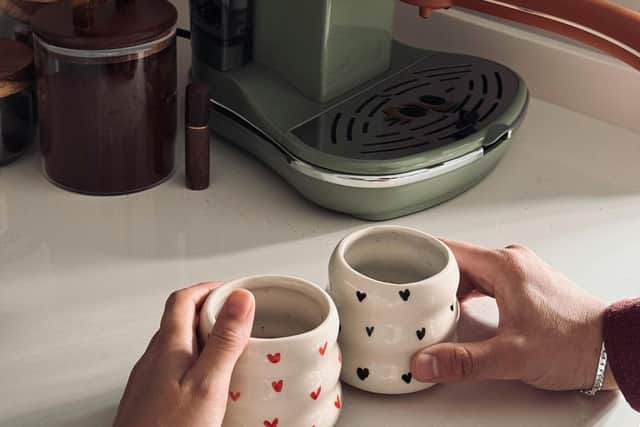
First thing’s first, you don’t need loads of space: a small corner of your kitchen can be the perfect brew station. You then want to work smarter, not harder, by making your workflow as smooth as possible. How do you do this? By setting up your tools and equipment in the order in which you’ll use them. So, that would be; coffee, scales, syrups and any other flavourings, then your grinder and coffee machine, followed by milk jugs and anything you'll need for steaming milk.
When it comes to substance and style, a few wooden boards to set your kit up on always looks slick. Decorate with a coffee plant if you really want to elevate your station.
Trade secret: the way you store your coffee is almost as important as the coffee itself! Once you’ve opened it, make sure to squeeze all of the air out and seal the bag with a clip or some sticky tape, to keep it as fresh as possible.
Fun fact: Leaving coffee open to the elements means it’ll lose 60% of its flavour by the very next day.
You’ve got the space set up and looking good, now, what kit do you need for your coffee station?
There are eight key pieces of kit needed to create a barista-level coffee nook;
1) Coffee machine – There are several reliable and affordable brands, and Sage is definitely one of them. Plus, their machines come with a built-in milk frother for those who love milky coffees.
2) Tamper – While there are a few different types of tampers, the classic (standard espresso tamper) is perfect for home use. Check out Motta as a good option.
3) Grinder - Investing in agrinder means you can enjoy freshly ground, café-quality coffee anytime you like. It is worth it, because coffee beans lose over half their flavour within just 15 minutes of grinding! Ultimately, the better the grinder, the more flavour you’ll unlock from the beans. So choose the best one your budget allows.
4) Spray bottle - It might seem like an odd addition, but a quick spritz of water on your beans before grinding can work wonders. This simple hack reduces static, helping your grounds flow cleanly through the grinder, and it also means no clumps, no mess. The result? A tidier station and less coffee wasted. Cutting down on waste - even in small ways - is just another step towards making coffee that respects people and the planet.
5) Distribution tool – This piece of kit is specific to espresso machines and helps to achieve a more consistent extraction. You use the tool’s needles to stir the ground coffee so it’s distributed evenly in the basket.
6) Kettle – For a temperature-controlled, gooseneck kettle, look no further than the Brewista 1.25l. For a more affordable option, Hario’s ‘Air Drip Pouring Kettle’ is also a solid choice.
7) Beans – this comes down to personal taste, but a good starting point is to look out for the species of coffee. Robusta is naturally less sweet and acidic, and more bitter. Meanwhile, Arabica is higher in acidity and sweetness and has marginally less caffeine in it. If you like a strong, punchy and bold coffee, then Robusta’s the one for you. If you're more into bright, fruity and juicy flavours, then Arabica is a good place to start.
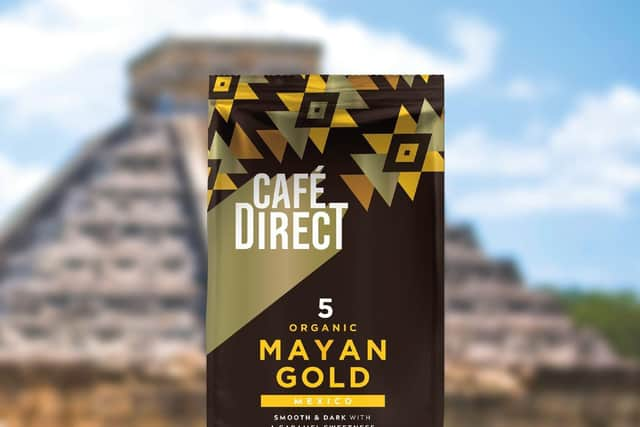
Whichever beans you go for, make sure to buy from a reputable, Fairtrade-certified seller like Cafédirect, which has longstanding, direct relationships with their coffee growers. They support farmers and make a real impact by paying them fairly and investing in their local cooperatives, so they can also adopt more sustainable farming methods. It’s not only a more ethical and sustainable option, but it means they get the best of the crop – which means you get the maximum flavour.
8) Espresso cup and saucer set – Lovearamics offers a fantastic range of coffee cups of all shapes and sizes. Or for a fancier option, check out the Dale Harris Signature Collection: they are shaped in a way that completely changes the texture of your coffee.
What other pieces of equipment will help to elevate my coffee station?
Investing in a good pair of coffee scales is a game-changer. They ensure a consistent dose every time — so you’ll get that same flavour punch with every brew.
Is freshly ground coffee really that much better?
It sure is. Within 24 hours of roasting, coffee expels around 40% of its total CO2 - and that’s a good thing, as coffee is best when it’s not straight off roast. But, after a time, this CO2 is replaced by oxygen, which rapidly degrades the aromas and flavours in the coffee. Within just a minute of grinding coffee, 80% of its total CO2 is released, which dramatically ages the coffee. So, it's always better to grind fresh.
Trade secret:get with the grind… different brewing methods require different grind sizes.
Immersion brewing (e.g. cafetiere - where the coffee is sat in the water) calls for a coarser grind size as the coffee has a longer contact time with the water. But bypass brewing (e.g. V60 - where the water is poured through the coffee) needs a finer grind size as the water is simply passing through the coffee.
And should you go for single origin or blend coffee?
If you’re wondering what the difference is between the two, single-origin coffee comes from one specific place, whereas blends use beans from different locations.
A good rule of thumb is to use blends for espresso-based coffees and single origin for filter coffee. But that’s by no means a set in stone rule! Get creative, don’t be afraid to experiment with different flavours and styles, and just enjoy a great cuppa at home.