

But there are parts of the country where the value of your home could rise significantly more, according to one property expert.
Jonathan Rolande, the founder of HouseBuyFast, says there are still ‘hidden gems’ in the UK property market.
He has shared five areas he thinks will be ‘great spots’ for buyers and sellers in 2026 and outperform the wider UK market.
He said: ”The headline forecasts for 2026 point to only around 1.5% to 2% UK house price growth and a market that still largely favours buyers. But regional data looks stronger once you focus on individual postcodes.
“Independent indices and Zoopla’s new market rankings show that a group of cheaper areas in Scotland and northern England are seeing quicker sales, fewer large price cuts and firmer recent growth than the national average price of roughly £270,000.
“If the national forecast is only around 2%, the question in 2026 should not be if the market will boom. It should focus on where the odds beat the national average while keeping the risk at bay.
“As an investor/buyer I would look for places to still buy well under the £270,000 national price, where last year’s growth was already ahead of that 2% benchmark and where homes are selling in weeks, not months.”
Below are five such ‘hidden gem’ postcodes that Jonathan believes are worth a closer look.
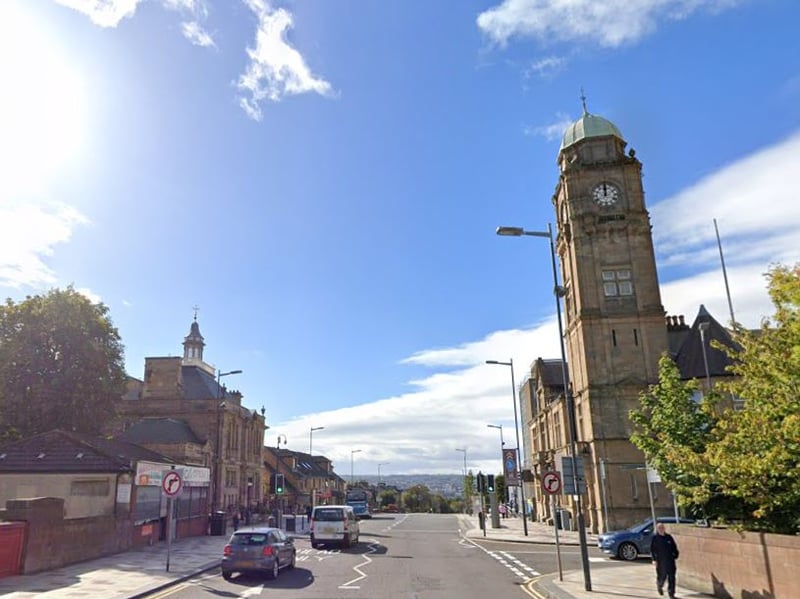
1. Motherwell
“Motherwell is the clearest example of this pattern," says Jonathan Rolande. "Prices are around the mid‑£130,000s, so roughly half the UK average, yet values were rising at about 3.4% last year, ahead of both Scotland and the wider UK. More importantly, well‑priced homes here are going under offer in about a fortnight and there is very little stock gathering dust. For me, that mix of low entry price, above average recent growth and quick sales is exactly what you want if you are trying to beat a 2% national forecast without taking silly risks.” | Google Photo: Google
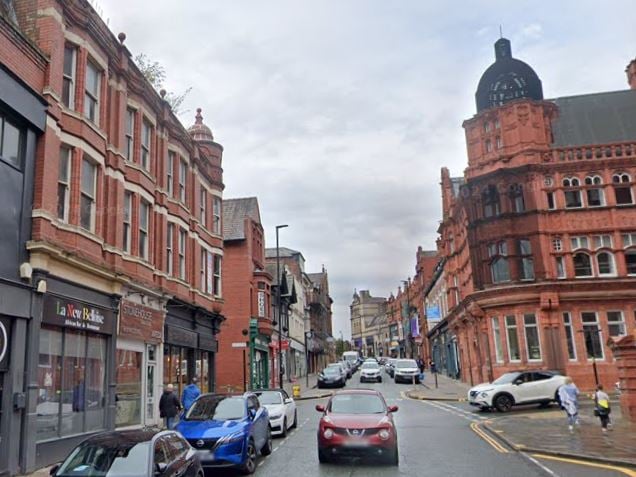
2. Wigan
“Wigan is the English counterpart to that story," says Jonathan Rolande. "On Zoopla’s table, it is the top English market and the only English postcode in the UK‑wide top ten, with average prices in the mid‑£170,000s and growth last year of about 3%. Homes are going under offer in roughly a month instead of sitting for 40 days or more, and there is not a big backlog of unsold stock. In a flat year, I would much rather own in a place like WN, where the numbers are already beating the average, than in a headline postcode that only works if everything goes perfectly.” | Google Photo: Google

3. Liverpool
“Liverpool sits just outside the national top 10, but it keeps appearing near the top of the English rankings and in the regional data," says Jonathan Rolande. "You have a big‑city economy, strong rental demand and average prices still in the high‑£100,000s or low‑£200,000s rather than over £300,000. Recent growth has been running ahead of the UK figure, and homes are selling in close to a month on average, which tells you buyers are there even when rates feel higher than they would like. For investors, that combination of city‑level demand and sub‑national pricing is exactly what justifies a closer look at the ‘L' postcode area.” | vichie81 - stock.adobe.com Photo: vichie81 - stock.adobe.com

4. Newcastle
“Newcastle is where the North East data turns into something very tangible," says Jonathan Rolande. "The region has been one of the fastest‑growing parts of England on official figures, with annual price growth around the mid‑single digits while the UK as a whole has been closer to 2%, yet average prices in and around NE are still only a little over £200,000. Independent forecasts put the North East on track for double‑digit growth over the next few years, which is a rare thing at this stage in the cycle. If you can find the right street and the right tenant profile, you are buying into that at a clear discount to the national price.” | Google Photo: Google