
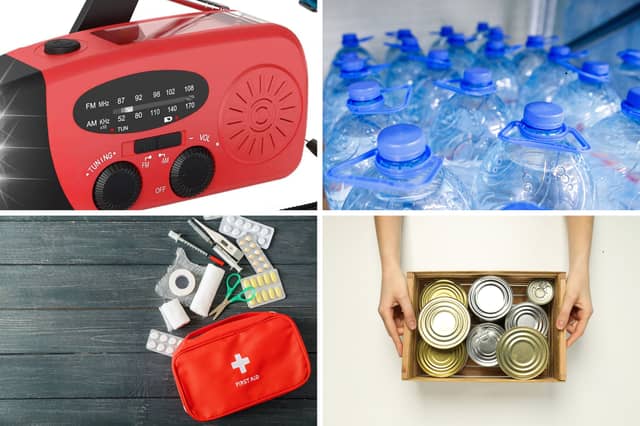

Prime Minister Andy Burnham has urged British households to ensure they maintain a supply of items to ensure they have what’s needed to get through an emergency situation.
He explained that unexpected events "seem to becoming more common" and everyone should have "those supplies in the house to get you through those moments".
It’s part of the govenment’s new ‘Be Ready’ campaign, which recommends having food, water, and other items, to get through three days “while support reaches those in need”.
The campaign suggests a five-point plan to be prepared, namely:
- See what you already have: Check your cupboards first to see what essentials you already keep at home.
- Plan for your household: Note down what you still need, remembering items your family relies on, such as medical supplies, baby formula or pet food.
- Build it gradually: Pick up missing items when you can during your regular shopping trips to help spread the cost.
- Check it regularly: Set a reminder every six months to check expiry dates and swap out items that need replacing, or update your kit if your household’s needs have changed.
- Connect with your community: Talk to your neighbours about what extra support you might be able to share during an outage, and swap contact details.
And they have provided a handy checklist of items to pick up and store away in case of the worst, which you can access here.
Here are all 15 items you should store away in case of emergency.
Make sure you don't miss a moment of breaking news from across Scotland by signing up to our free newsletter here.

9. Cash
If electronic payments or ATMs are disrupted then you'll not be able to buy anything using your phone or bank card. Make sure you have some currency in a mix of coins and notes for all eventualities. | Canva/Getty Images
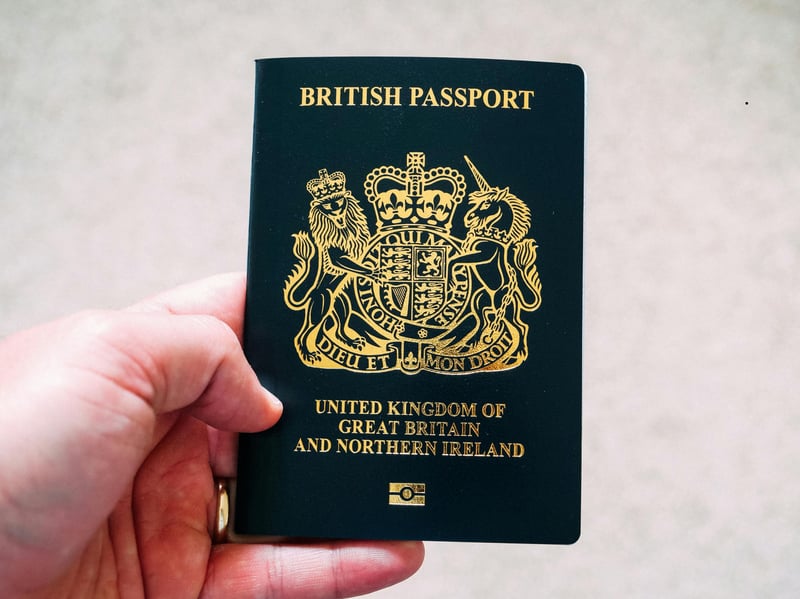
10. Documents
Have printed copies of important documents such as passports, birth certificates, insurance policy details and instructions for any medical equipment you rely on. | Canva/Getty Images
11. Emergency information
Write down contact details of who you’d need to contact in an emergency (including anyone who might need checking on) and a list of any regular medication and doses. | Canva/Getty Images
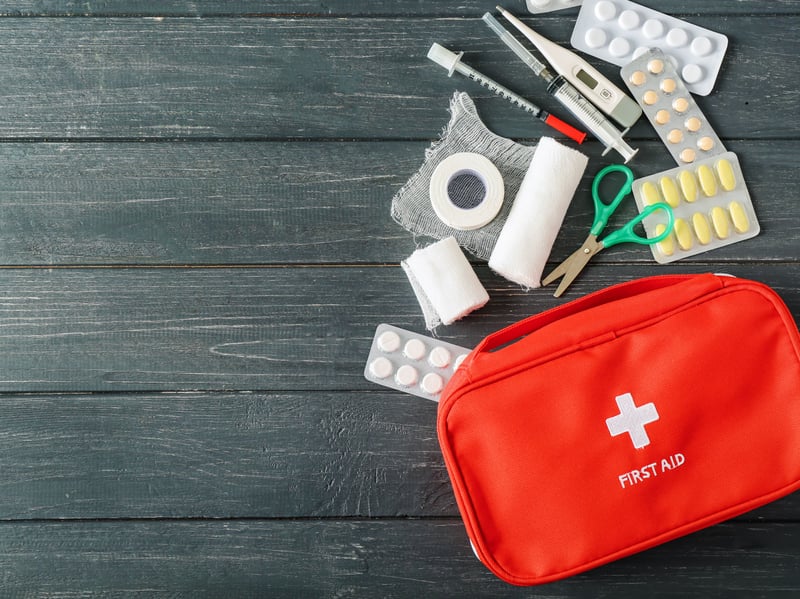
12. First aid kit
Have a first aid kit in case of injury, including items such as waterproof plasters, bandages, a thermometer, antiseptic, eyewash solution, sterile dressings and gloves, medical tape for dressings, and tweezers. | Canva/Getty Images