
Why these top Scots chefs want you to ask how restaurant scallops have been caught
Some of Scotland’s best chefs are behind a new seafood campaign and want customers to start asking how their food was caught.
Scotland’s world-class seafood is one of the country’s many exports and a mark of excellent quality. But have you ever stopped to think how some of this wonderful produce has been caught?
That’s what a range of top Scottish chefs want consumers to do after throwing their support behind the newly launched Dived not Dredged campaign from Open Seas. The campaign is designed to champion hand-dived scallops, a celebrated seafood that supports both healthy seas, sustainable fishing and local communities.
During a lunch at the multi-award winning restaurant Inver, a host of guests - from those in the fishing industry to marine biologists, food writers and locals - learned more about this campaign and why it is an “urgent and vital” message.
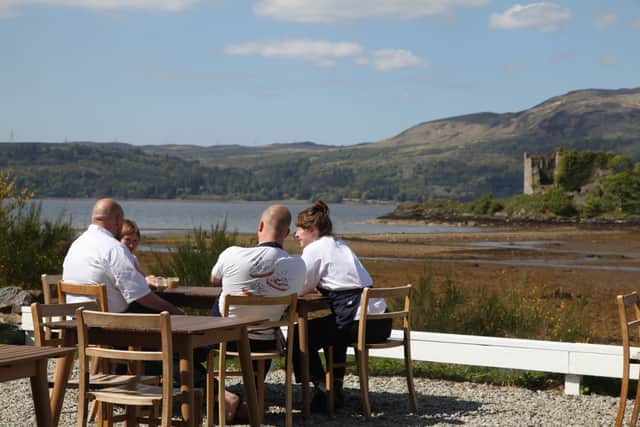

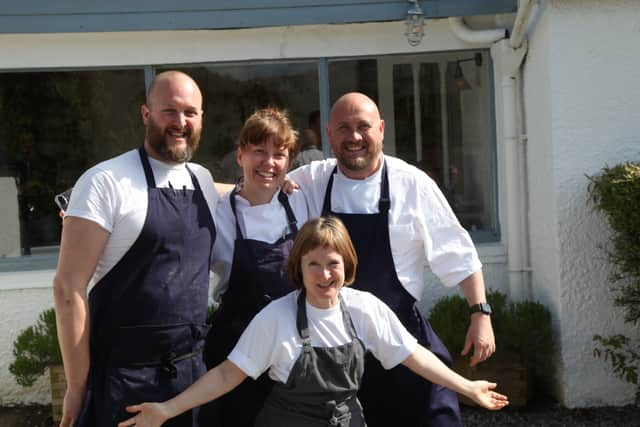
Four chefs - from Inver, The Palmerston, Glorisoa and The Kinneuchar Inn - produced a meal using hand-dived scallops - a premium, low-impact seafood product that avoids the damaging effects of dredge fishing, recently brought to mainstream public attention through the ‘Ocean with David Attenborough’ film that premiered earlier this month.
Representatives of The Sustainable Restaurant Association and the UK’s Good Food Guide have also lent their support for the campaign, championing the power of restaurants and their menus to inform customers about the importance of fishing catch methods to evaluate the real impacts of seafood.
Scallops are predominantly harvested by two fishing methods: hand-diving and dredging. Scottish hand-dived scallops are widely recognised as the gold standard in both quality and sustainability.
Hand-diving is a highly-selective fishing method that minimises damage to marine habitats, eliminates bycatch and supports coastal economies. By contrast, scallop dredging damages seabed habitats with heavy metal rakes, and is still permitted in 95 per cent of Scotland’s inshore waters.
This is due to a ban that was lifted under Margaret Thatcher’s government in the 1980s and has resulted in Scottish waters, such as the Clyde, being now almost completely bereft of fish, including cod.
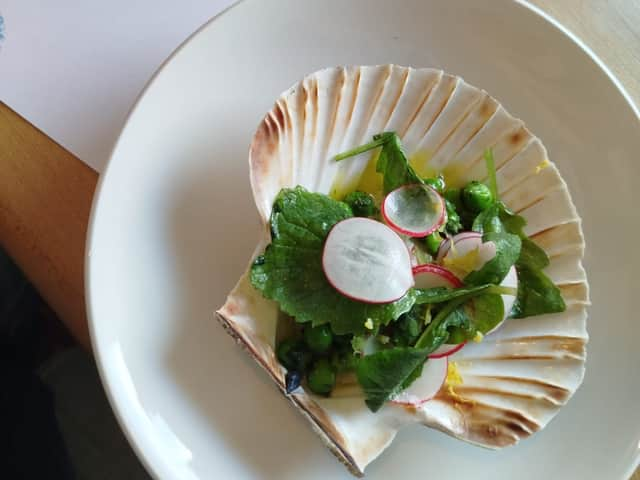
Chefs from across Scotland’s hospitality scene pledged their support for hand-dived scallops and discussed how the industry can help protect marine habitats by choosing seafood sourced from local suppliers that prioritise sustainable fishing methods. Open Seas is urging more chefs to do the same, and also asking the public to be more aware - and ask questions of - how the scallops on restaurant menus and in supermarkets have been caught.
Speaking on The Scotsman’s Scran podcast, Andrea Ladas, sustainable seafood officer at Open Seas, said: “The campaign aims to support the scallop dive sector in Scotland and champion it as a great example of low-impact fishing that also produces quality and sustainable seafood. The campaign really zooms into this particular method of fishing and tries to raise awareness about their current challenges and also calls for protection, support and prioritisation of low-impact fishing methods.
“This is about leadership. We are sending a clear message that good food doesn’t have to come at the cost of our seas. By backing hand-dived scallops, these chefs are championing a better way of fishing — one that protects the marine environment while supporting Scotland’s fishing heritage. Scallop dredging is having a profoundly damaging impact on our seas, and we need to find alternatives to reduce those impacts, while still providing seafood for us and for future generations.”
Chefs from popular restaurants, including Inver in Argyll, The Palmerston in Edinburgh, Gloriosa in Glasgow, and the Kinneuchar Inn in Fife, all choose hand-dived scallops over those dredged on their menus, serving diners with an emphasis on both quality and environmental sustainability.
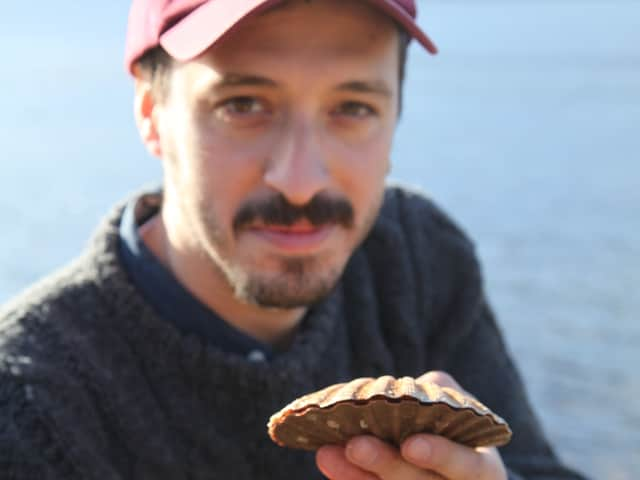
Inver is Scotland’s only Green Star Michelin restaurant. Owner and author Pam Brunton has been a vocal advocate for a more sustainable food culture in Scotland.
She said: “We want our menus to reflect our values. That means celebrating seafood that’s not only exceptional in taste, but also kind to the environment. Hand-dived scallops are a brilliant example of Scottish seafood that we can all be proud of. We chose to come here [to Inver] to build a life and the connections we’ve made with the people who bring us the produce is exactly that. It’s our life.”
James Ferguson, chef at Kinneuchar Inn, said: “Most of the seafood being landed locally in Fife is trawled or dredged. As chefs looking for quality, sustainable produce, there is a massive opportunity to supply a rising demand for environmentally responsible seafood.”
Davy Stinson, member of the Scottish Scallop Divers’ Association, said: “Chefs have a huge role to play in terms of effecting positive recovery in our seas, by driving demand for more sustainable seafood products. With the right levels of support, the scallop dive sector could continue to grow and thrive in Scotland.
“You will know, if you buy hand-dived scallops, that you are contributing to the sustainability of the fishing industry and the marine environment. I’ve seen first hand how the seabed around the coast of Britain has been trashed over decades by bottom-impacting fishing methods. I am old enough to remember what it used to look like before that started and you could compare it to the Red Sea or the Great Barrier Reef in terms of abundance and diversity. Not as colourful, but there were some species around that were absolutely spectacular.”
The campaign follows in the footsteps of influential Scottish chefs, such as the late Andrew Fairlie, who previously spoke out about the impacts of scallop dredging, arguing for better fisheries management to protect the future of sustainable seafood gastronomy in Scotland.
Open Seas is urging seafood buyers, wholesalers and retailers to follow the example set by these forward-thinking chefs, supporting hand-dived scallops and rejecting seafood caught using destructive catch methods like scallop dredging.
Mr Ladas said restaurant guests could get involved by looking out for certain geographical cues on menus, if hand-diving is not mentioned.
He said: “Orkney scallops are a great example as they have the name, even in London, as a badge of quality and they’re hand dived. But chefs, even if they’ve paid the extra price [for the scallops], they can miss the opportunity to mention the catch method on their menus.”
To listen to this episode, search Scran wherever you get your podcasts.
Comments
Want to join the conversation? Please or to comment on this article.