
“There will be businesses that disappear” - How the cost of living is affecting Scottish fish and chip shops
As prices continue to rise due to global tensions, what does the future hold for one of our favourite takeaways - the chippy? Rosalind Erskine spoke to Scottish fish and chip shop owners about price rises, tighter margins and customer habits.
It has been four years since Russia invaded Ukraine, sending shockwaves through the international community and starting a series of shortages and price rises in things like fuel and oil.
Since then there has been no let up for businesses and consumers who are impacted by global tensions, which now includes America’s war with Iran. Not to mention government decisions such as VAT and national insurance rises.

Petrol prices are at a record high, food prices are going up steadily and many of us are cutting back on the small luxuries we used to enjoy; such as takeaways and drinks out.
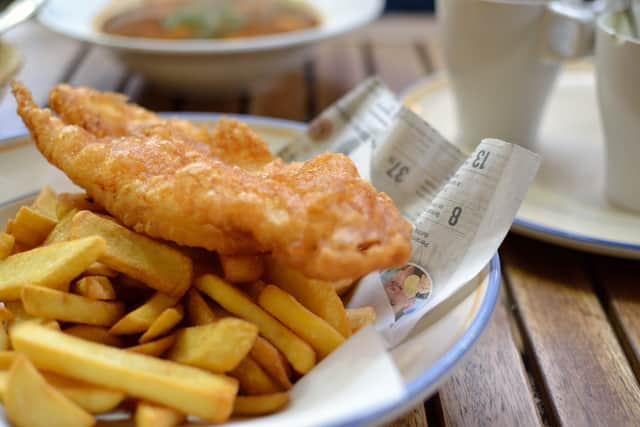
One of the nation’s favourite treats is fish and chips. How are these decisions from customers and world leaders alike impacting Scottish chippies given that fish and chip shops are among the most vulnerable to rising costs? The sector relies heavily on energy for frying, as well as imported ingredients such as cod and cooking oil.
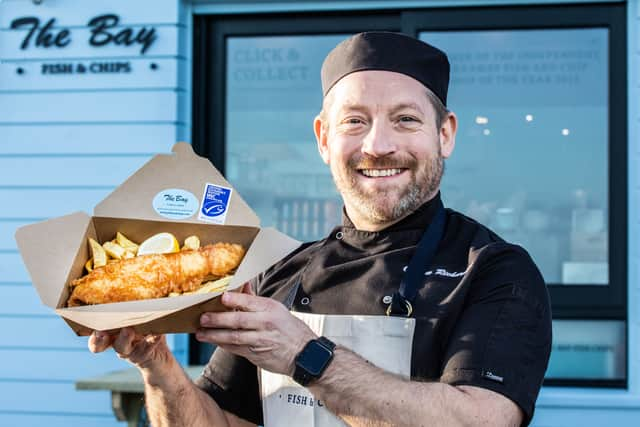
Calum Richardson, owner of the mutli-award-winning Bay Fish & Chip Shop in Stonehaven said: “What we’re finding is that some of the companies that are delivering the products are adding in a fuel surcharge. It’s not always necessarily the products that are going up in price but the whole package is going up in price.”
These price rises have led Mr Richardson to raise his prices as he’s found being proactive is the only way to survive. He said: “I’ve always been proactive. The till system I’ve got warns me when prices go up, even if I don’t see it. It notices it from the invoices. So I get an email, for instance, saying the haddock has gone up in price and it’ll tell me that in order to maintain the GP. Whereas before you’d maybe ride the storm a little bit but there’s no time to ride the storm because prices aren’t coming down.
“Before you’d maybe see how it goes but prices aren’t coming back and if you don’t react then the price goes (up) again and then the gap becomes too big. You’re not making the same margin as you’re trying to be fair to the public but it’s really difficult.
“I put my prices up. I react to the price changes all the time. It’s the only way to survive and at the end of the day, I don’t just pay minimum wage at the shop, I pay real living wage and above for everyone. To achieve that and to give them more money in their pockets, so they can go out and pay for things that are more expensive, you’ve got to remember we’re not a charity, we employ people and we’ve got to survive.”

The Crab & Lobster Fish Shack in South Queensferry is celebrating its first birthday and has seen strong interest and is “busy seven days a week.” Owner Bryan Coghill explained that, coming from a fine dining background, the family-run business knew they had something very special to offer but that price points and being affordable was part of the plan.
He said: “We wanted to hero traditional Scottish fish & chips, with our Fish Tea priced at just £15, the starting price point for our lunchtime midweek club, but we also offer a more elevated experience with lobster, oyster, crab, smoked salmon blinis etc -making use of luxury ingredients too, so that the restaurant was offering something for everybody.
“The £15 price point is a cost of living relevant price that's affordable for senior citizens, working families and everyone really.
“As we were preparing to launch the business a year ago, we knew that we had already invested a six figure sum in the project as a family. So a huge commitment had already been made to opening. We had to trust in our vision, and our offering to the public.
“We feel that for us, it’s been less about the cost of living, and more about an ongoing shortage of chefs and staff which is still continuing. You have to roll with the punches in hospitality as it never gets any easier. There's always something on the horizon to put a spanner in the works, but as I've been in the business for four decades, I have seen it all before.”

Mr Coghill points to changing consumer dining habits - dining earlier and not eating out as often - as well as global issues that businesses are dealing with now. His experience has led him to building up good supplier contacts, so prices remain stable for his business now but they’re not immune to rising prices.
Of this he said: “Costs are rising. Fuel costs for the boats that bring us our fish have doubled, and for the lorries that deliver other supplies. Our haddock costs, potatoes, gas and electricity, all operating costs basically, have risen. It’s a 55.5 per cent increase since the same period last year when we opened.”
The next rise, Mr Coghill said, could be potatoes, but he remains optimistic saying: “We will face that, as, again, we have a fantastic supplier on board.”
When it comes to fish, Mr Richardson said that despite there being cheaper options, people are loyal to haddock in their fish suppers. He said: “We’ve sold loads of different species (of fish) on the menu including cheaper varieties. But at the end of the day, people coming in are coming in for haddock.
“Unless they’re die-hards that like trying different fish you’re not going to be able to put on pollock for £3 cheaper and that’ll take off. It’s not going to happen. It’s a great alternative to have, and we do platters and crispy salt and pepper loaded fish fries which sell really well. There’s a bit less fish but you’re giving value.”
As for customer support, Mr Coghill said to eat locally and added: “I think most customers are aware that the hospitality sector is still struggling. We have seen strong support here in South Queensferry. The best thing a customer can do is repeat visits. As we are busy, especially at weekends, we can deal with rising costs.”
When it comes to Government support, both Mr Coghill and Mr Richardson agree that they could be doing more, especially over VAT. Mr Richardson said: “With VAT not going down or anything from the Government; you’re seeing businesses shutting all over the place.”
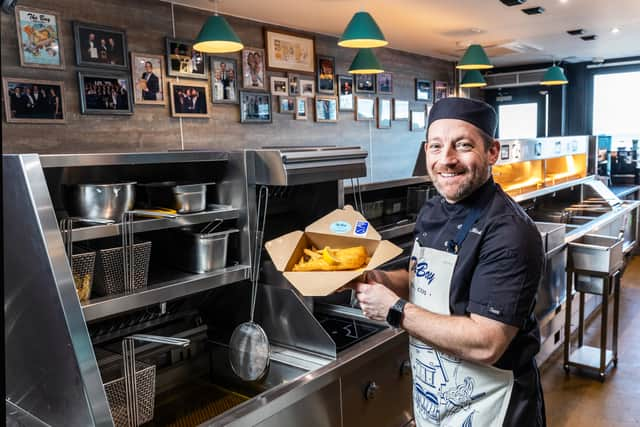
While Mr Coghill added: “Businesses should be passing costs on to the customer. But they can't when customers don't have any more disposable income. What would help all hospitality businesses is if the Government was to reduce VAT by ten per cent in line with the rest of Europe, as they did in Covid times. It would free up extra money to reinvest in the business, boost the economy, and create jobs. It would also generate more tax for the Government. It's basic economics.
“The Government has the capability to help, but is choosing not to. It should be a partnership between all stakeholders – Business, Politicians, the public and private sector.
“They constantly talk of the need to have growth in the economy – they need to work with business and make that happen!”
Molly Monks of Parker Walsh, an insolvency firm, said the combination of rising overheads and cautious consumer spending is creating a difficult environment for many operators.
She said: “Takeaway businesses often operate on very slim margins, so when you see sustained increases in energy, ingredients and delivery costs, it can quickly become unsustainable. We are likely to see more businesses under pressure if these trends continue.
“Fish and chips are particularly exposed because of their dependence on oil and imported goods, both of which are sensitive to global price changes,” Mrs Monks said. “When those costs rise sharply, it is very difficult for businesses to absorb them.”
Mr Richardson keeps away from the news in order to stay as positive as he can. He said: “I don’t have news apps on my phone and I don’t watch the news as it just puts you into a spin. I just focus on what I’ve got and deal with what’s in front of me. I think good fish and chip shops will survive.
“There will be businesses that disappear but fish and chips is a massive staple in the country and I think it’s going nowhere. People might stop coming in as often, maybe once a fortnight instead of once a week and we’ve just got to look at margins and staffing levels and try and compensate for rising costs.”
Comments
Want to join the conversation? Please or to comment on this article.