
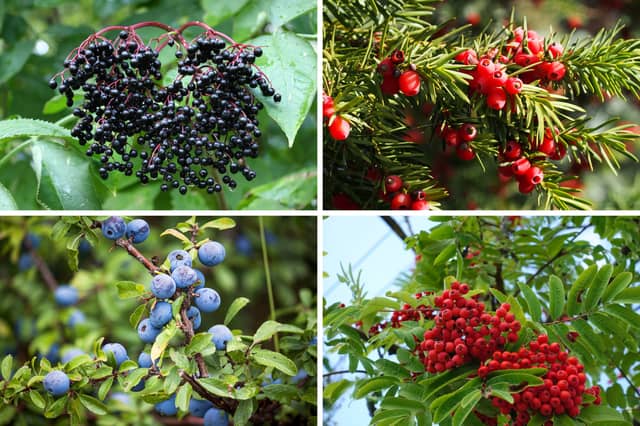

As autumn begins and woodland walks become more popular, dog owners are being warned about the dangers of wild berries that can pose a serious risk to their pets’ health.
Although some fruits, such as blackberries and blueberries, are harmless and even healthy for dogs in moderation, several wild berries ripening in the UK at this time of year can be highly toxic if consumed.
With this in mind, dog expert and Director of the Natural Dog Food Company, Edward Creaser, has spotlighted five common berries that owners need to be mindful of on their autumn walks.
Edward explained: “Dog owners are advised to keep a close eye on their pets during autumn walks, discouraging them from foraging among hedgerows or fallen berries. Anyone who suspects their dog has ingested a toxic plant should contact a vet immediately.”
Here’s what you should be making sure your dog doesn’t get its paws on during the daily walk.
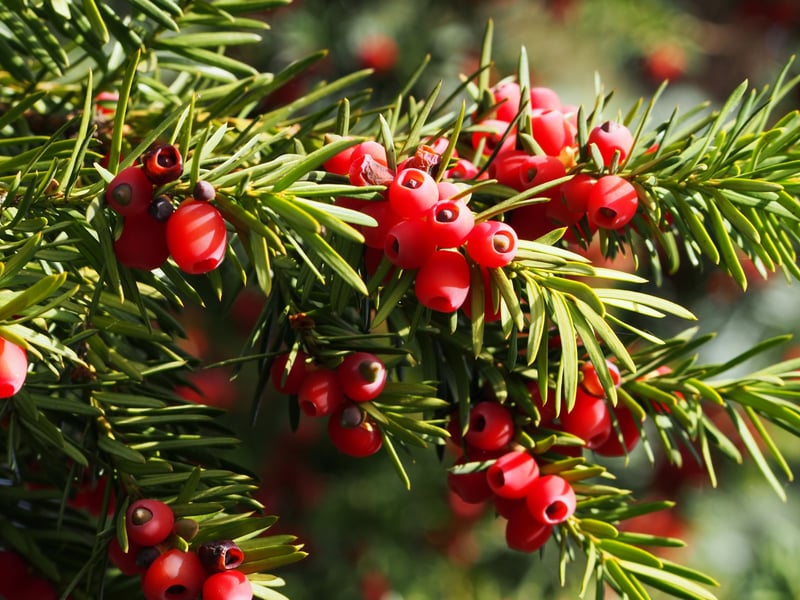
1. Yew berries
Yew trees are a familiar sight in churchyards, graveyards, historic gardens and older parks across the UK, especially in southern England and Wales. While the red berry flesh may look tempting to curious dogs, the seeds inside – as well as the leaves and needles – are extremely poisonous. Symptoms of poisoning can include drooling, vomiting, dilated pupils, and abdominal pain. | Canva/Getty Images
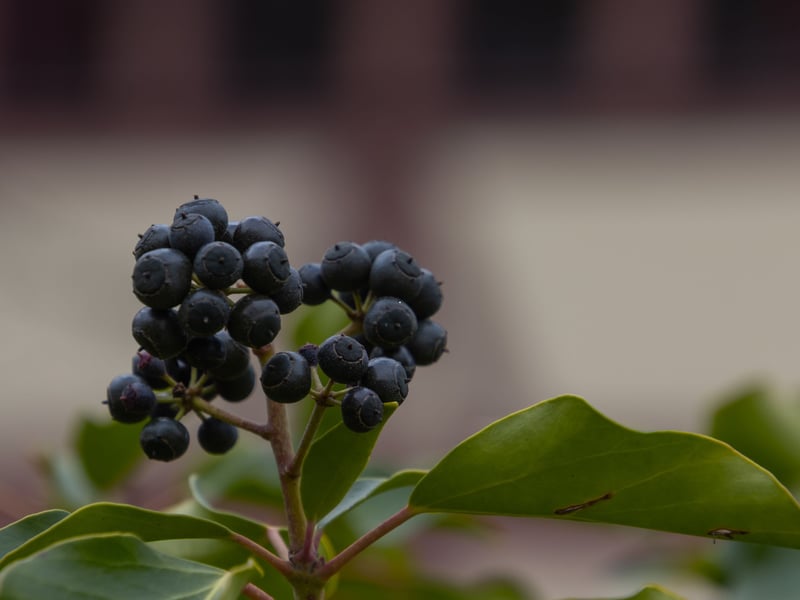
2. Ivy berries
Ivy grows abundantly across the UK, often climbing up garden fences, tree trunks, walls and hedgerows. It’s particularly common in shady woodland and damp environments. In autumn, the plant produces small black berries that contain toxins which can irritate the digestive system, leading to drooling, diarrhoea, and vomiting if eaten. The berries can also cause contact dermatitis, with skin rashes, itching and redness being the main symptoms. | Canva/Getty Images
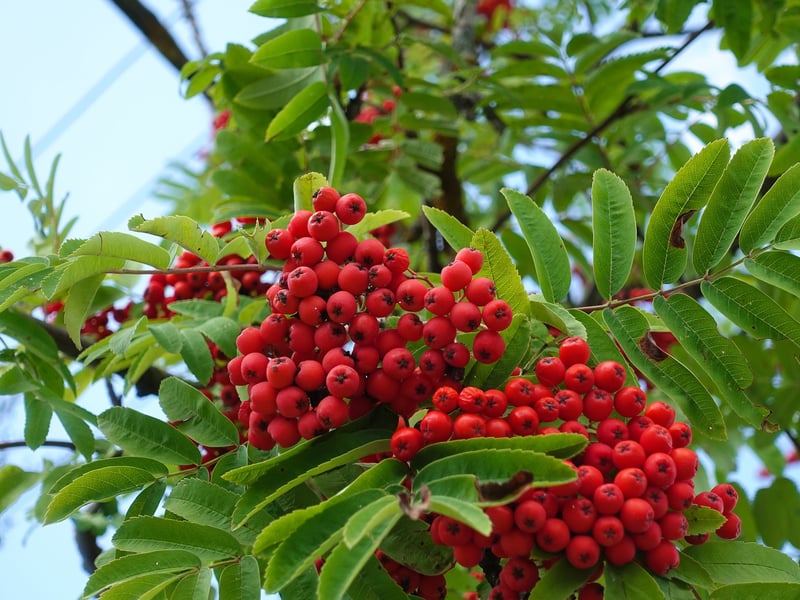
3. Rowan berries
Rowan trees – also called mountain ash – are widespread throughout the UK, especially in Scotland and northern England, where they thrive in upland areas. Their clusters of bright orange-red berries can cause stomach upset and vomiting, loss of appetite and lethargy. | Canva/Getty Images
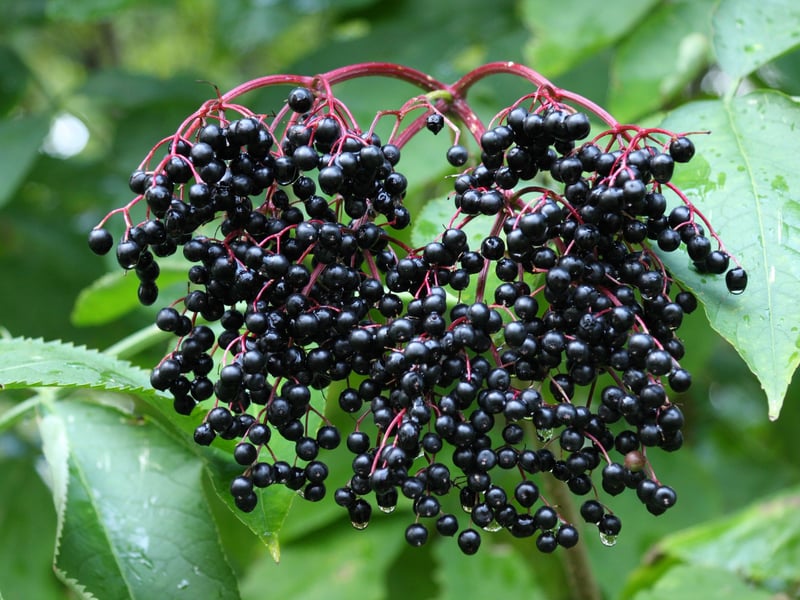
4. Elderberries
Common in hedgerows and woodland edges, elderberry plants produce dark purple berries in late summer and autumn. When unripe, the berries contain amygdalin, a toxin that releases cyanide, and can have fatal consequences if ingested in large amounts. Symptoms, similar to other toxic berries, include vomiting, diarrhoea, and a loss of appetite. | Canva/Getty Images