
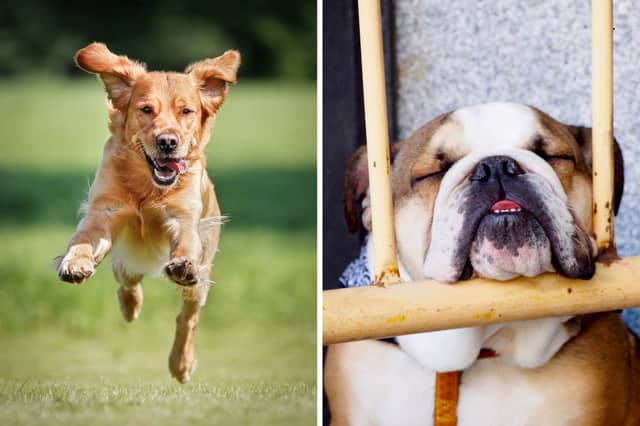

If you’ve been thinking about welcoming a new dog into your home then you’re in good company – Royal Kennel Club (the new name for the UK Kennel Club) stats show that the number of people looking for puppies has surged to record levels.
Dogs come in all shapes, colours and sizes - there are 221 different pedigree dogs recognised by breeders in the UK, from Affenpinscher to Yorkshire Terrier (there are sadly no dog breeds starting with the letter ‘z’!).
So there’s plenty of thinking to do before you select your family’s latest four-legged addition – whether you want a large dog, family-friendly dog, or an easy to train dog.
Read more:
There is even scientific research to guide you, in particular psychologist Stanley Coren’s groundbreaking book The Intelligence of Dogs.
Choosing the right breed is absolutely essential – for example opting for a small dog if you don’t have much room at home, or a hypoallergenic dog if you suffer from allergies.
It’s important to understand that it is crucial to set aside some time for a dog to walk and run around in an open space – exercise is a fundamental part of a dog’s routine.
Not only does a sprint in the park do wonders for your four-legged friend’s morale, but it also helps them keep healthy and in shape.
That said, while all dog breeds need exercise, some require more physical activity than others.
To help out here are the 22 most and least active breeds.
Make sure you don't miss a moment of breaking news from across Scotland by signing up to our free newsletter here.
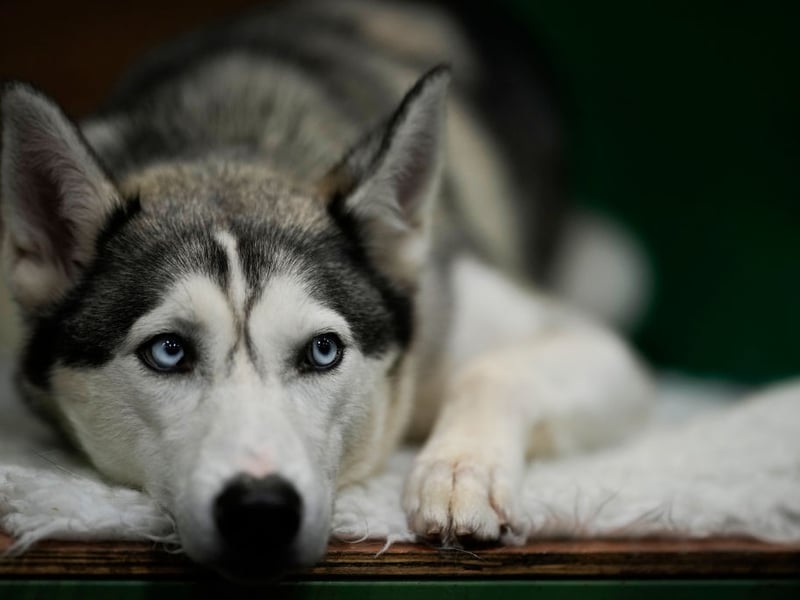
17. Siberian Husky
There is no hiding that it is difficult to tire out a Siberian Husky. Usually bred to pull heavy sledges and travel long distances in challenging climates, this dog breed has buckets of energy. A Siberian Husky that is not adequately exercised may even dig up gardens or escape. Therefore, it is important to schedule a daily two-hour walk or run and allow them to enjoy some satisfactory physical activity. | Getty Images
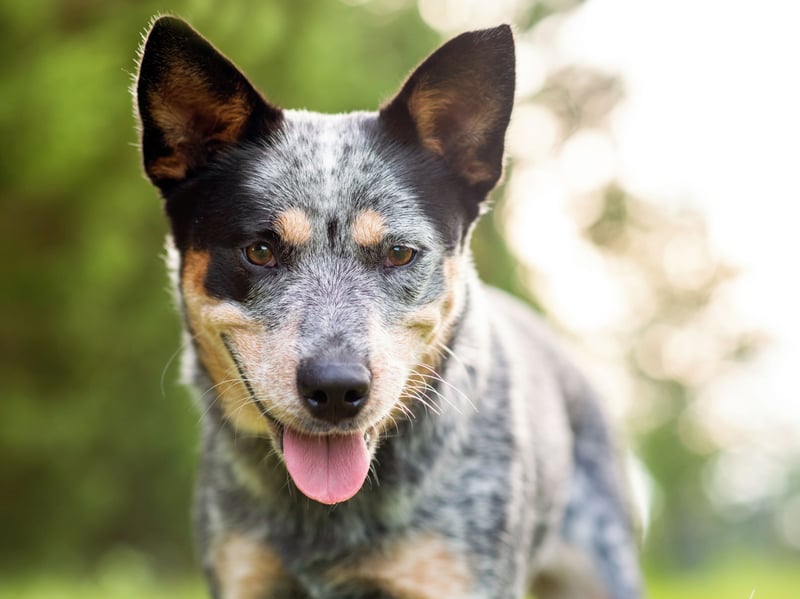
18. Australian Cattle Dog
Bred to work livestock over challenging terrain, Australian Cattle Dogs have exceptional stamina, intelligence, and determination. They need vigorous exercise, training, problem-solving games, and meaningful activities every day. | Canva/Getty Images
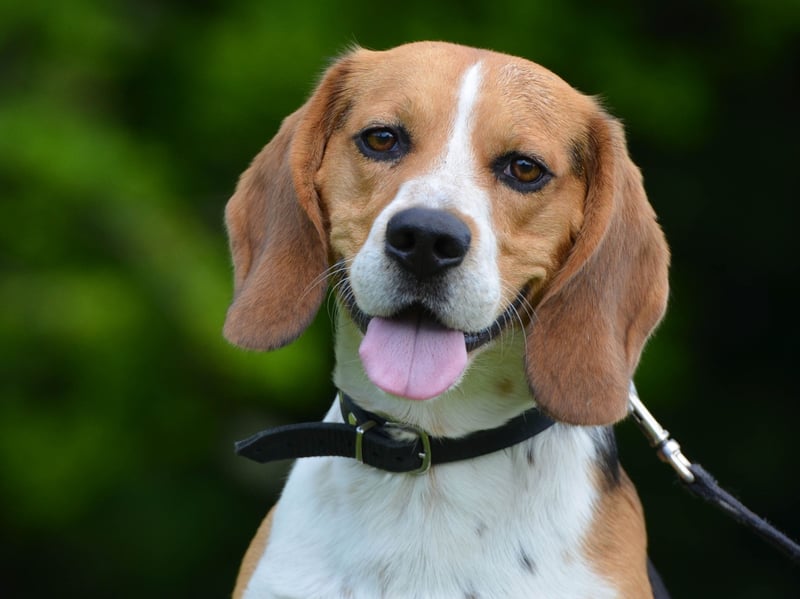
19. Beagle
For most of their history, the Beagle has mainly been kept as a hunting dog. Their excitable and alert nature, habit of barking at any stimulus and love of running in packs can cause issues in a sedate family home. | Canva/Getty Images
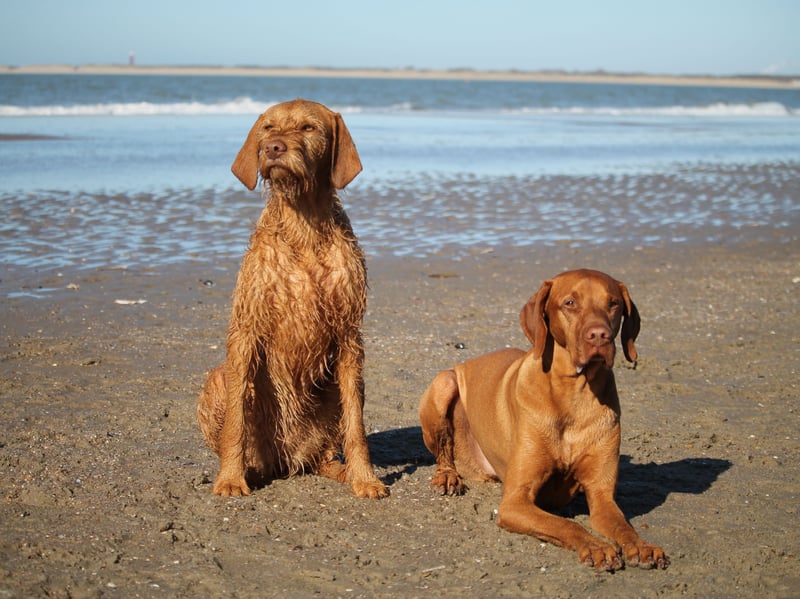
20. Vizsla
The Hungarian Vizsla is another hunting dog that can find life in a modern home a bit boring, which can lead to them becoming problematically excitable. They relish a challenge so plenty of outdoor time and energetic games are essential to keep them physically and mentally fit. | Canva/Getty Images