


Humans are thought to have kept cats as pets for over 10,000 years, with the first domesticated felines evolving from African wildcats.
Since then they have become the world’s second most popular pet, just behind dogs when it comes to the animals we most like to welcome into our homes and our hearts.
In the UK alone there are more than 10 million feline friends in households.
And there are a huge range of types of cat to choose from - according to The International Cat Association there are 73 ‘standardised breeds’, along with a bewildering number of crosses.
One thing you might like to consider before making a decision is that different breeds of cat tend to have different personalities.
While some breeds are pretty resilient to noise and strangers, others are more shy and enjoy living in quiet environments with little in the way of surprises or unexpected visitors.
Here are the 12 most timid breeds of cat.
Make sure you don't miss a moment of breaking news from across Scotland by signing up to our free newsletter here.
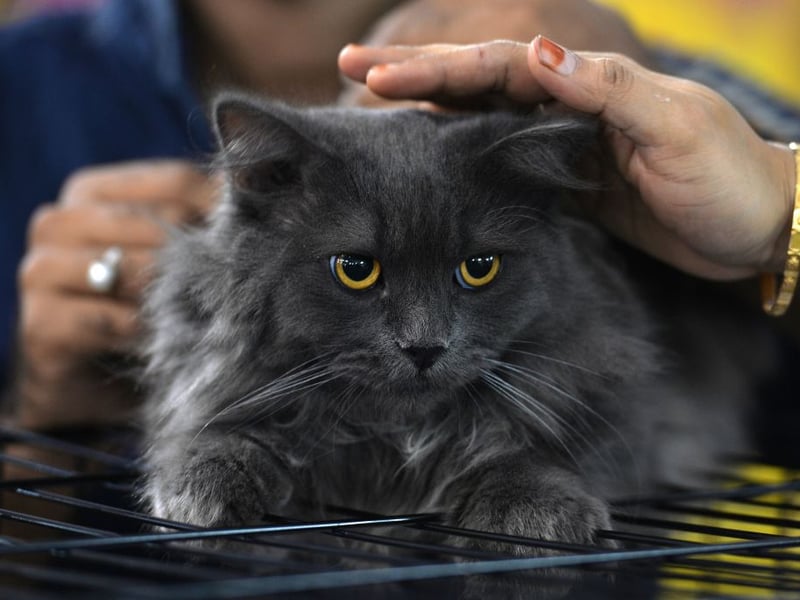
9. Siberian
Siberians often assess newcomers carefully first, like tiny furry diplomats determining whether guests deserve friendship, trust, or immediate suspicious staring from staircases. If the guest makes a loud noise or sudden movement it will NOT be forgotten. | AFP via Getty Images
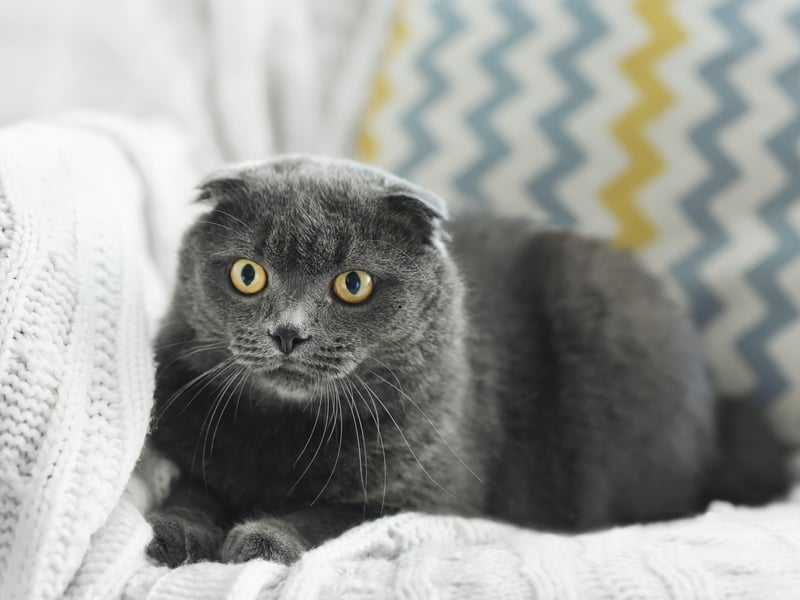
10. Nebelung
A very rare breed of timid cat, the Nebelung likes its creature comforts and nap-heavy schedule. Anything that get in the way of this will be treated as a major problem. | Canva/Getty Images
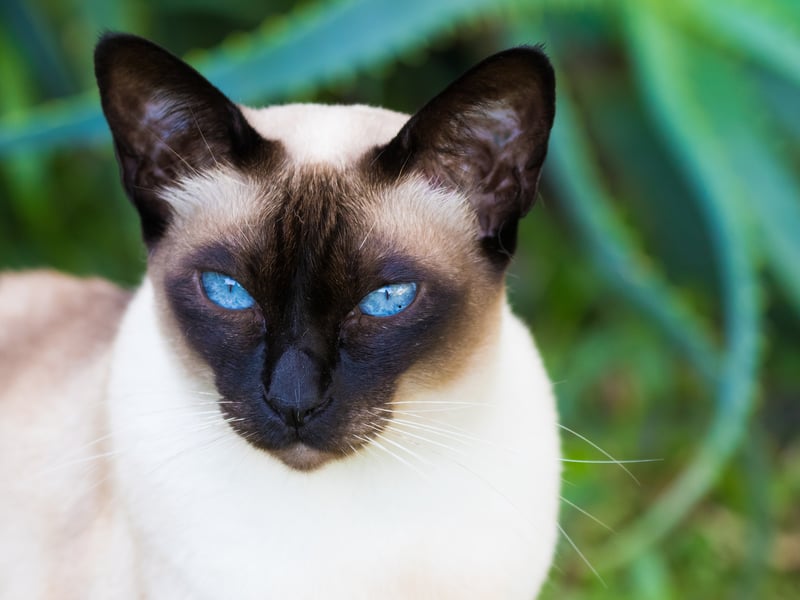
11. Tonkinese
Tonkinese cats crave companionship but occasionally panic when life becomes too noisy or hectic. These emotional little creatures want attention desperately, then often immediately regret it when it's forthcoming. | Canva/Getty Images
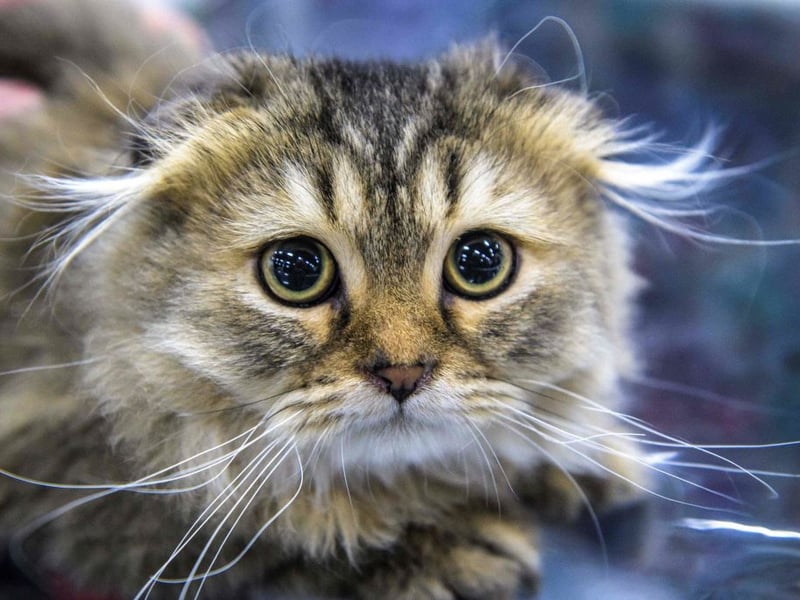
12. Scottish Fold
The Scottish Fold looks permanently concerned for good reason. They are gentle, sweet, and easily startled by loud sounds (or sometimes quiet sounds), aggressive cuddling, or anything suspicious appearing near their peripheral vision. | AFP via Getty Images