


We are a country that’s officially daft about dogs - it’s estimated that there are around 1.5 million in Scotland and ruff-ly 13 million across the UK.
Canine chums come in all shapes and sizes - with the UK Kennel Club recognising 221 different breeds of pedigree dog to choose from.
Then there are also numerous crossbreeds, from expensive so-called ‘designer dogs’ to lovable mongrels.
For those preparing to become dog owners for the first time it can be confusing to settle on what type of dog to welcome into your home.
There are numerous things to take into account, including the size of your home, whether you have young children, if you’ll be looking to leave your dog alone regularly, and whether you have time for regular long walks.
Luckily, there’s pretty much a dog for everybody, but one thing you might want to take into account is that some dogs have a greater chance of developing health problems than others.
Here are the 13 dogs most likely to need a visit to the vet and, potentially, expensive medical treatment.
Read more:
Make sure you don't miss a moment of breaking news from across Scotland by signing up to our free newsletter here.
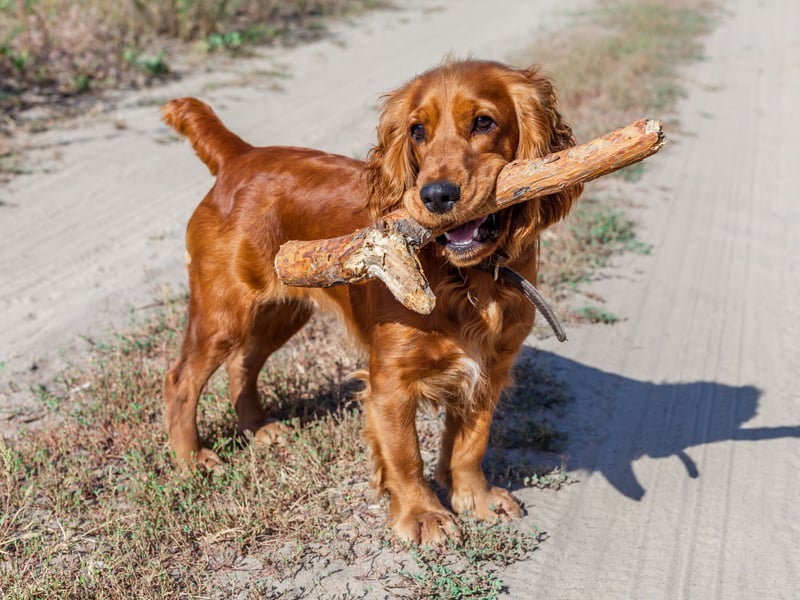
9. Cocker Spaniel
Owners of friendly and loyal Cocker Spaniels should be aware that their pet is susceptible to a range of health issues, including a variety of orthopaedic issues, epilepsy, heart disease and liver disease. | Canva/Getty Images
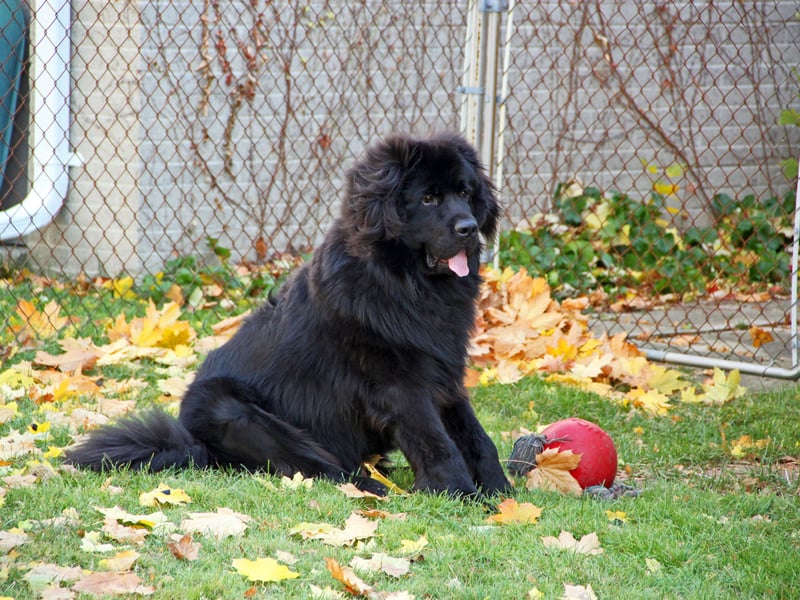
10. Newfoundland
The Newfoundland's huge size is responsible for its most common health problem - a condition called Subvalvular Aortic Stenosis which decreases the blood flow to the heart causing cardiac arrest. They are another breed prone to hip and elbow dysplasia. | Canva/Getty Images

11. Boxer
The Boxer's cute shirt snout may look cute but, combined with its excitable nature, it means this dog is particularly susceptible to heatstroke. They are also known to have a high cancer risk, with a predisposition to lymphoma and brain tumors. Cardiomyopathy, hip dysplasia, and allergies can also be issues to look out for. | Canva/Getty Images
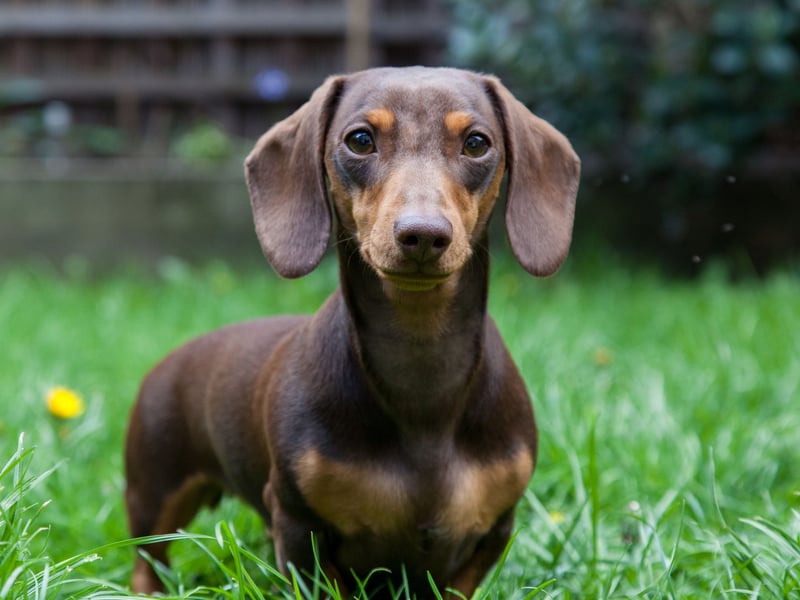
12. Dachshund
That long spine that gives the Dachshund it's sausage dog shape means problems like intervertebral disc disease are common. These wee characters are also prone to obesity, dental issues, and patellar luxation. | Canva/Getty Images