

Humans are thought to have kept cats as pets for over 10,000 years, with the first domesticated felines evolving from African wildcats.
Since then they have become the world’s second most popular pet, just behind dogs when it comes to the animals we most like to welcome in to our homes and our hearts.
In the UK alone there are more than 10 million feline friends in households.
And there are a huge range of types of cat to choose from - according to The International Cat Association there are 73 ‘standardised breeds’, along with a bewildering number of crosses.
One thing to think about before getting your first pet cat is whether you plan for them to stay indoors.
Some breeds are happy to stay inside (with a regularly-changed litter tray!) for most of their lives and will have little interest in the outside world beyond the home they share with their humans.
But others really need access to their outside would to satisfy their natural curiosity and love of adventure.
Here are the 10 breeds of outdoor cat.
Make sure you don't miss a moment of breaking news from across Scotland by signing up to our free newsletter here.
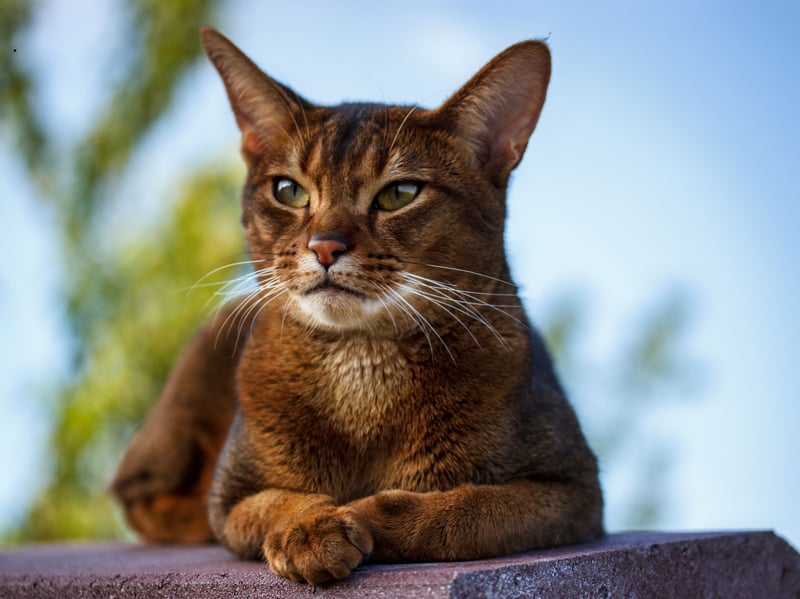
5. Abyssinian
The Abyssinian is one of the most active and inquisitive cat breeds and is never happier than when exploring, climbing trees, and investigating every corner of its environment. Regular outdoor adventures are a must to keep this breed happy and healthy. | Canva/Getty Images
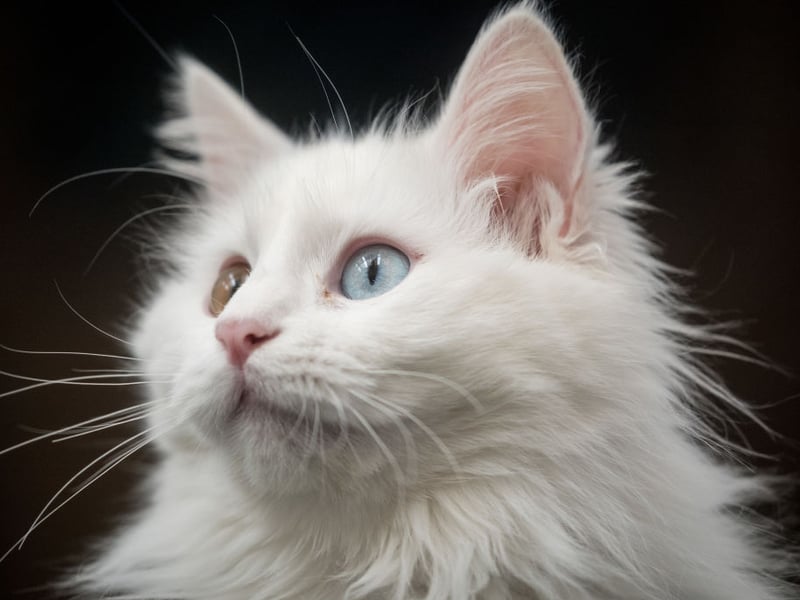
6. Turkish Van
Known for its un-catlike interest in water, the Turkish Van is adventurous and athletic, loving alfresco play. | Getty Images
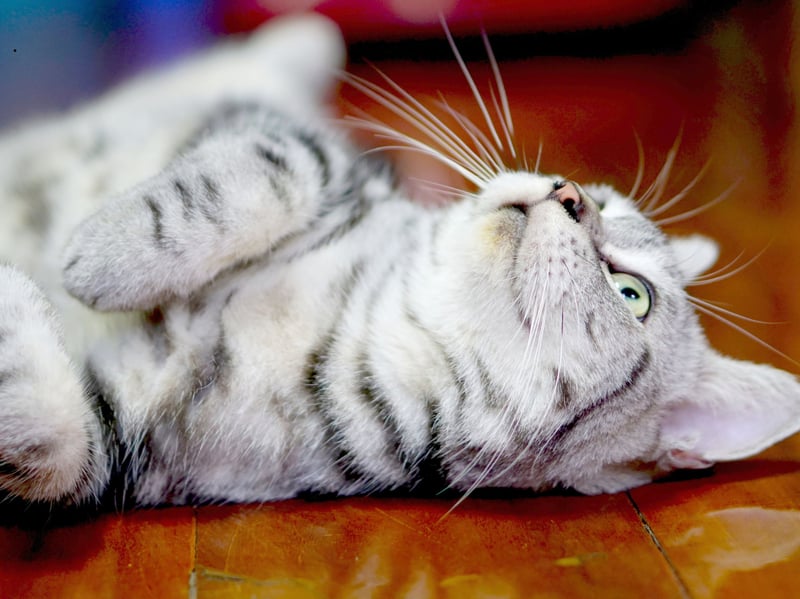
7. American Shorthair
Originally valued as a working cat, the American Shorthair is hardy, adaptable, and an excellent hunter. Its balanced temperament allows it to enjoy outdoor exploration while remaining calm, resilient, and generally easy to manage in changing environments. | Canva/Getty Images
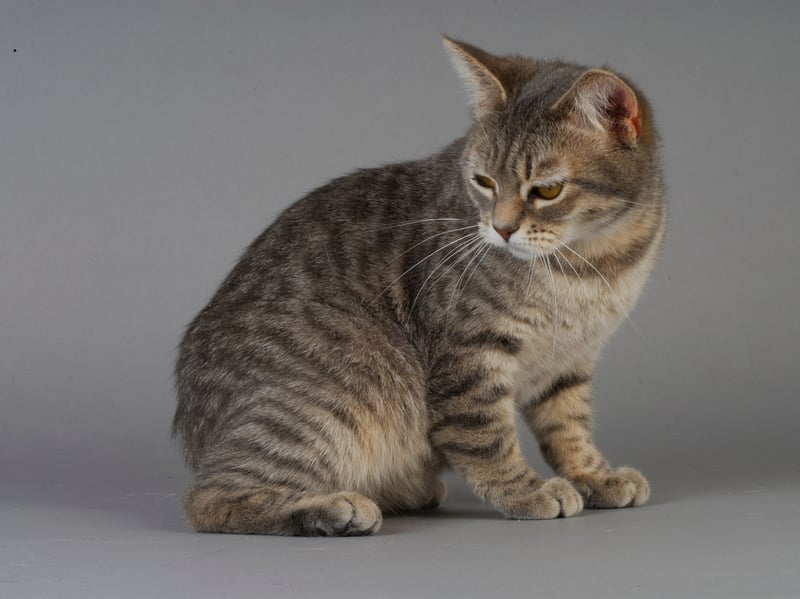
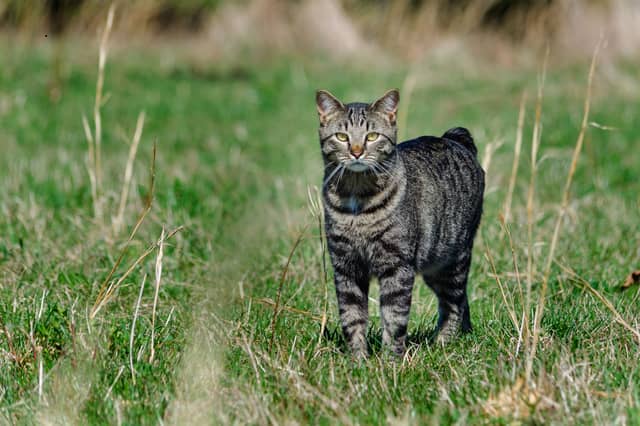
8. Manx
The Manx is muscular, agile, and surprisingly fast despite its short or absent tail. It enjoys patrolling gardens and open spaces, while its loyal nature means it often stays relatively close to home when outdoors. | Canva/Getty Images