

If you’ve been thinking about getting a new dog then you’re not alone – Royal Kennel Club (that’s the new name for the UK Kennel Club) figures show that the number of people looking for puppies has surged to record levels over recent years.
Dogs come in all shapes and sizes - the UK Kennel Club recognises 221 different pedigree dogs, from Affenpinscher to Yorkshire Terrier (there are sadly no dog breeds starting with the letter ‘z’!).
Then there are all manner of crossbreeds, from so-called ‘designer dogs’ to lovable mongrels.
So there’s plenty of thinking to do before you select your family’s latest four-legged addition – whether you want a large dog, family-friendly dog, or crossbreed.
Read more:
There is even scientific research to guide you, in particular psychologist Stanley Coren’s groundbreaking book The Intelligence of Dogs.
Before setting your heart on a particular dog it’s important to realise that different breeds tend to have have very different personalities and attributes.
And one thing you should bear in mind is that different breeds have very differently-performing digestive systems, meaning that some will inevitably be more flatulent than others.
From gassy Frenchies to Labs with surprisingly delicate digestion, some of the nation’s favourite breeds can be more prone to tummy troubles than owners might expect.
Leah Callaghan, Vet Nurse at Butternut Box, has shared the breeds more commonly associated with sensitive stomachs, why digestion can vary so much from dog to dog, and how factors such as age, lifestyle, previous diet, food preparation, and ingredient quality can all play a role.
Here are the 11 most flatulent breeds of dog.
Make sure you don't miss a moment of breaking news from across Scotland by signing up to our free newsletter here.
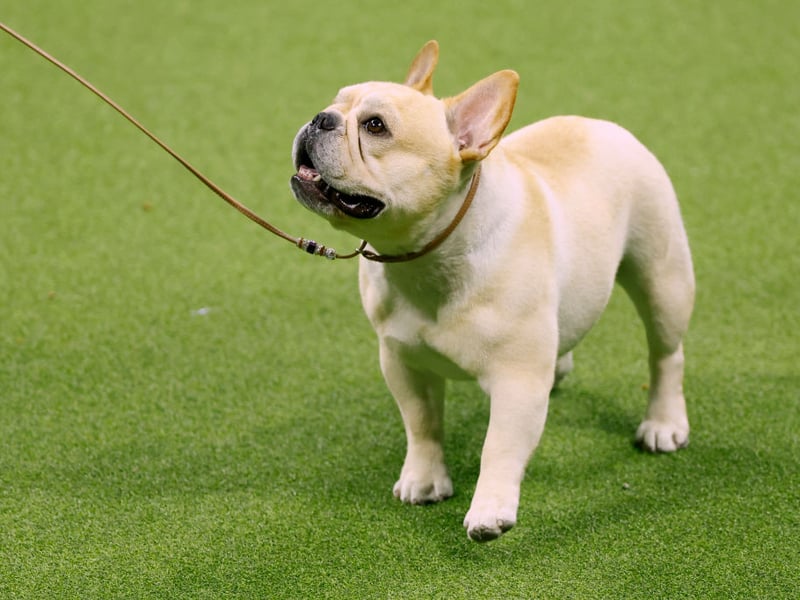
1. French Bulldog
French Bulldogs are a breed where digestive sensitivities can show up quite quickly, often through loose stools, wind, or discomfort after meals. Because they can be prone to sensitivities, a simpler, fresh diet made with gently cooked, recognisable ingredients may help make mealtimes easier on the gut. | Getty Images for Westminster Ken

2. German Shepherd
German Shepherds are often reported by owners as having sensitive digestion, with some struggling with inconsistent stools or difficulty tolerating certain foods. For a large, active breed, highly digestible nutrition is especially important, and fresh food can be a helpful option because it focuses on quality protein, gentle cooking, and ingredients the body can use efficiently. | AFP via Getty Images

3. English Bulldog
Stocky bodies and short snouts encourage swallowing air while eating. Combined with sensitive digestion, this often produces frequent, pungent flatulence. Slow-feeder bowls, quality diets, and healthy weight management can reduce episodes significantly. | Canva/Getty Images

4. Labrador Retriever
Labs may be known for their big appetites, but that does not always mean their stomachs are easy-going. Some can experience bloating, loose stools, or digestive changes when eating overly processed diets, so fresh food can support a steadier routine by providing moisture-rich, simple meals that are easier to digest. | AFP via Getty Images