

If you’ve been thinking about welcoming a new dog into your home then you’re in good company – Royal Kennel Club (the new name for the UK Kennel Club) stats show that the number of people looking for puppies has surged to record levels.
Dogs come in all shapes, colours and sizes - there are 221 different pedigree dogs recognised by breeders in the UK, from Affenpinscher to Yorkshire Terrier (there are sadly no dog breeds starting with the letter ‘z’!).
Then there are all manner of crossbreeds, from so-called ‘designer dogs’ like the popukar Labradoodle (half Labrador, half Poodle) to lovable mongrels.
So there’s plenty of thinking to do before you select your family’s latest four-legged addition – whether you want a large dog, family-friendly dog, or an easy to train dog.
Read more:
There is even scientific research to guide you, in particular psychologist Stanley Coren’s groundbreaking book The Intelligence of Dogs.
Choosing the right breed is absolutely essential – for example opting for a small dog if you don’t have much room at home, or a hypoallergenic dog if you suffer from allergies.
Another thing to take into consideration is that some breeds are prone to particular health issues.
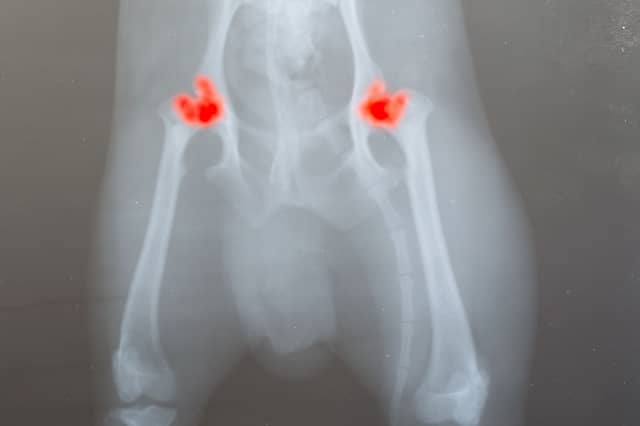
One common canine disorder is hip dysplasia – when the dog’s hip ball and socket joint doesn’t fit or develop properly, causing it to rub and grind instead of sliding smoothly.
The condition results in the deterioration of the hip over time, causing pain and drastically reducing a dog’s quality of life.
Here are 15 breeds of dog most genetically predisposed to suffering hip dysplasia.
Make sure you don't miss a moment of breaking news from across Scotland by signing up to our free newsletter here.
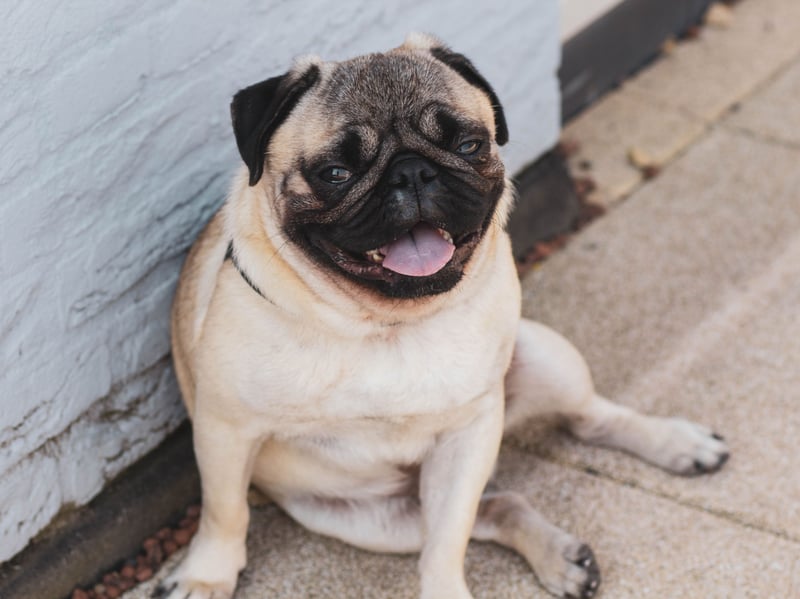
9. Pug
It's not just big dogs that get joint issues, one of the smallest breeds to be particularly susceptible to hip dysplasia is the Pug. They tend to develop the condition quite early in life. Treatments for hip dysplasia include weight reduction, exercise restriction, physical therapy, joint supplements, anti-inflammatory medications and joint fluid modifiers. | | Canva/Getty Images
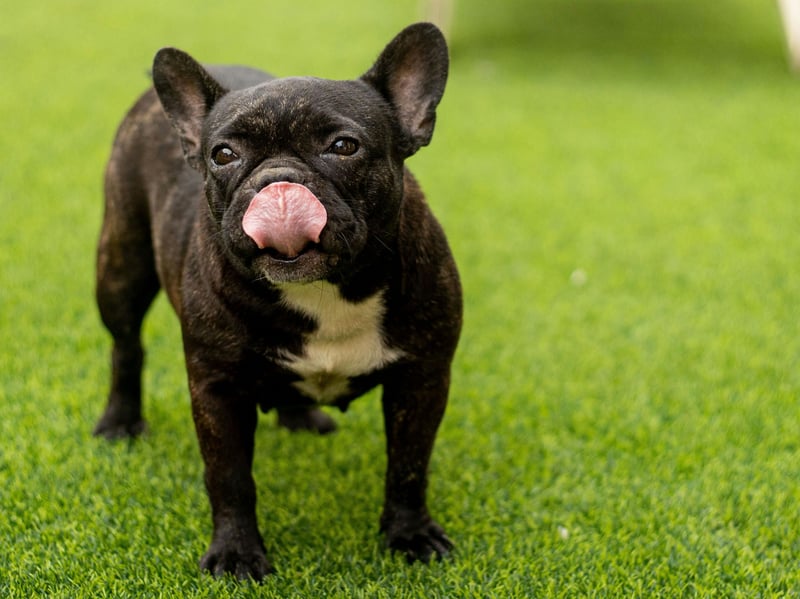
10. French Bulldog
Sadly selective breeding has made the French Bulldog susceptible to a variety of physical conditions, including hip dysplasia. Responsible breeders will do all they can to better the bloodlines of their breeds, making their puppies less likely to develop problems. | Canva/Getty Images
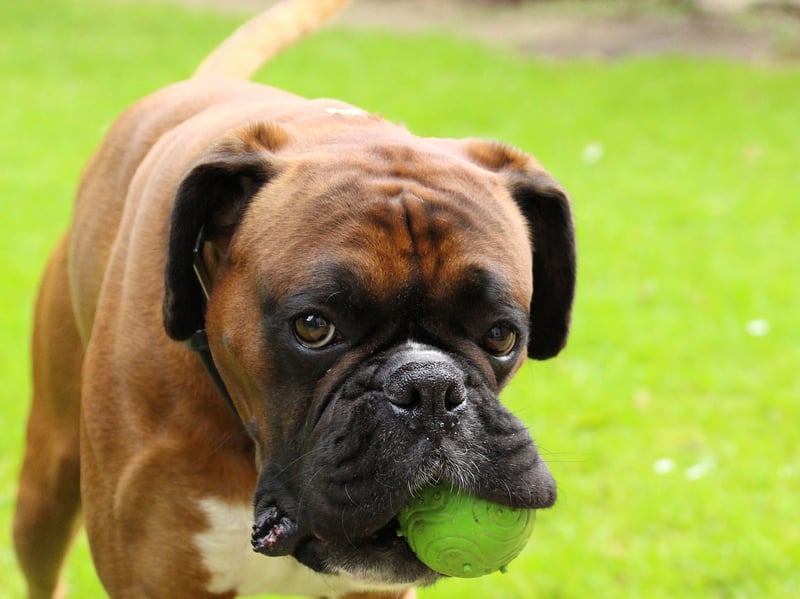
11. Boxer
A medium sized breed breed that can develop hip dysplasia at any time of life is the Boxer. Dogs with the disporder can still lead long, full lives, especially with treatment. | Canva/Getty Images
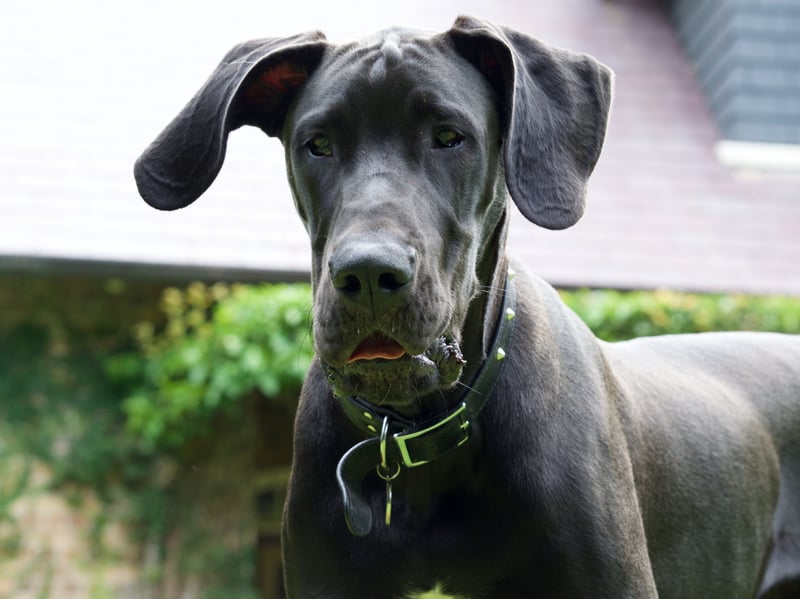
12. Great Dane
The Great Dane's enormous size and exceptionally rapid growth place considerable demands on developing joints. As with all breeds, the likelihood of developing hip dysplasia rises dramatically if there's also a genetic predisposition to the condition. | Canva/Getty Images