


From garden ponds filled with Koi Carp to the humble goldfish bowl – the UK is a nation of fish lovers.
The Pet Food Manufacturers’ Association (PFMA) say there are an incredible five million indoor fish tanks in Britain.
Around 10 per cent of British households own pet fish – making them the third most popular animal to welcome into our homes after cats and dogs.
There’s plenty of choice when it comes to adding fish to (well prepared and correctly set up) home aquariums, with pet shops offering a bewildering range of colourful and interesting finned friends.
But you should be aware that while some fish are placid and happy to live in a ‘community tank’ with a mixture of other species, others are predators that really need their own tank or, at the minimum, carefully-selected tank-mates.
Here are 10 of the most aggressive.
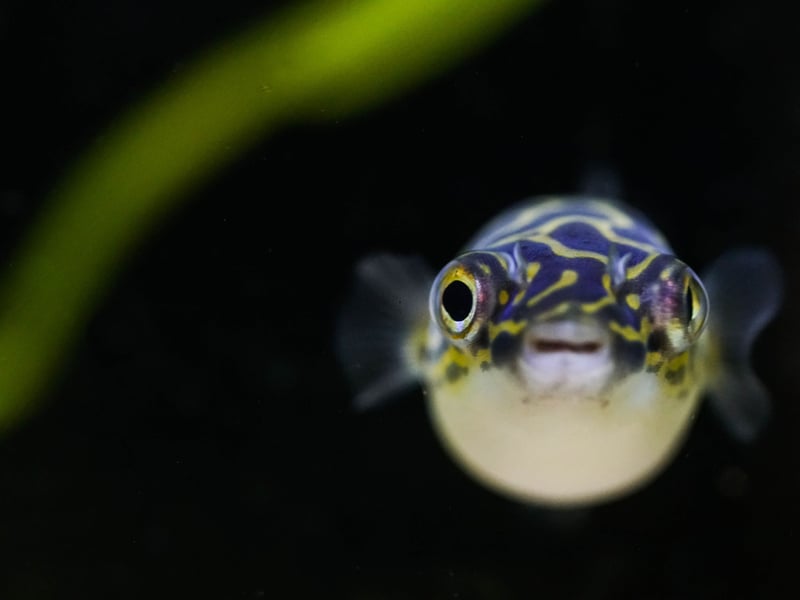
5. Pea Puffer
The Pea, or Dwarf, Puffer is one of numerous species of Puffer Fish - and one particularly popular with aquarium owners. Some are tremendously toxic and all tend to display aggression to tank-buddies. Keep them away from other fish though and they make fascinating pets. | Canva/Getty Images
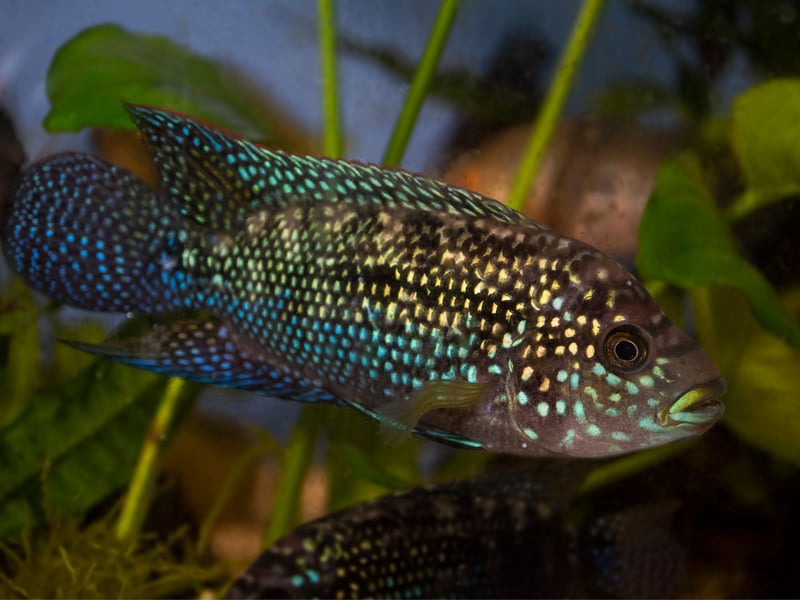
6. Jack Dempsey Fish
Originally from Central American countries like Mexico and Honduras, the Jack Dempsey Fish is named after a famous 1920s boxer thanks to its fearsome face and aggressive nature. Best kept alone in a tank, it's also important to provide them with somewhere to hide away. | Canva/Getty Images
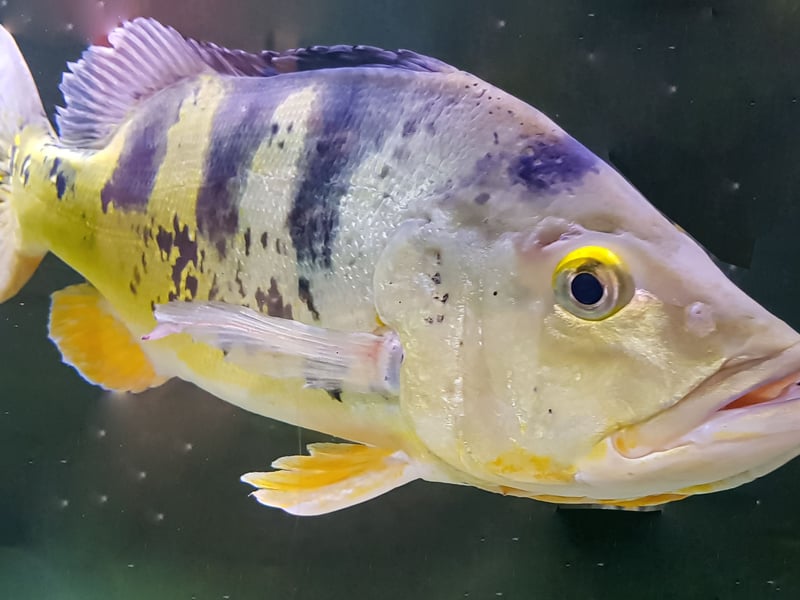
7. Peacock Bass
The Peacock Bass is a fish for serious aquariasts only - needing at least a 150 gallon tank. A predatory species, if they get peckish they'll eat pretty much anything put in front of them, including other Peacock Bass. | Canva/Getty Images
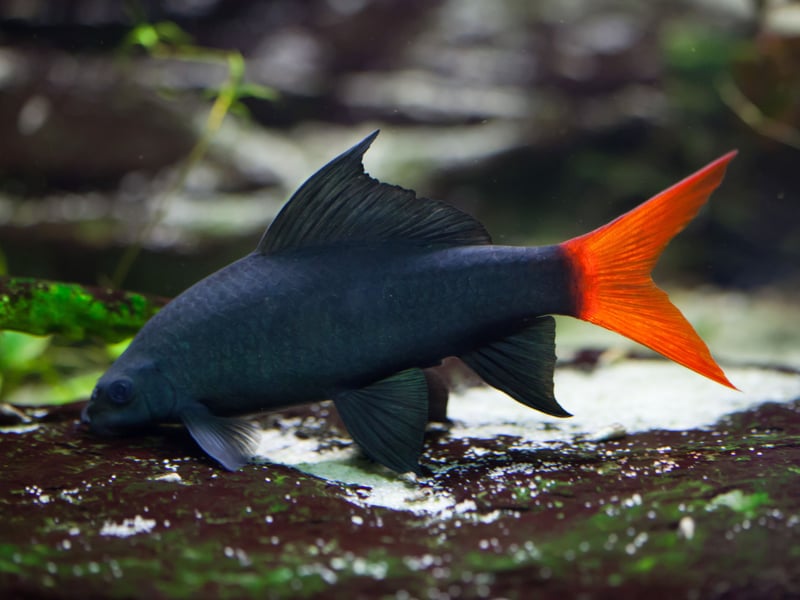
8. Red Tailed Black Shark
A popular aquarium fish, the Red Tailed Black Shark is particularly known for showing aggression to other Red Tailed Black Sharks, so you're best to only have one in an aquarium. They can be kept with other species, but may cause problems with particularly docile tank-mates. | Canva/Getty Images