Aberdeen to Troon: 15 Scottish place names and their fascinating origins
By Rosalind Erskine
Published 4th Oct 2019, 18:00 GMT
Picture: Shutterstock
If you live in or have visited Scotland, then you’ll probably have seen some of these place names.
From popular cities such as Dundee and Aberdeen to smaller visitor hotspots like Applecross and Anstruther, we take a look at a range of Scottish places and their origins.
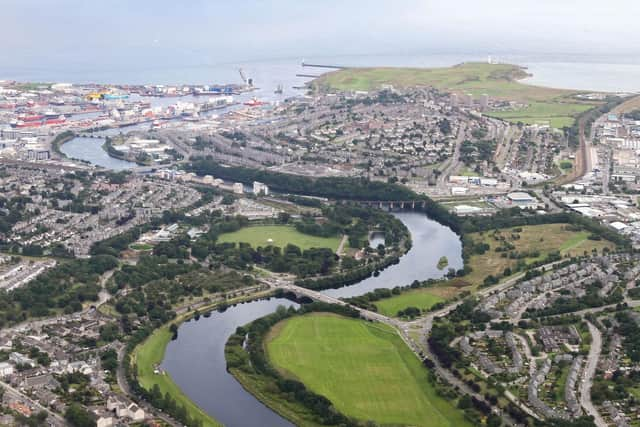
Aberdeen was Pictish and became Gaelic-speaking in medieval times. Old Aberdeen or Aberdon means "the mouth of the Don". The Celtic word aber means "river mouth"
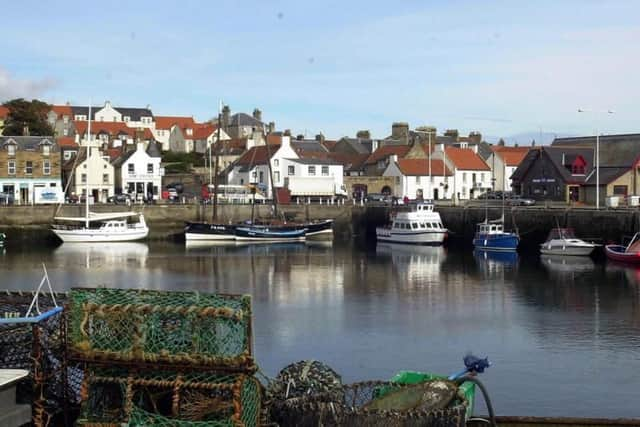
The etymology of this Fife place (Ainestroder in 1178-1188) is not certain. The first element may be an obsolete Gaelic word n driving or aon one. The second element -struther likely denotes an obsolete word sruthair stream
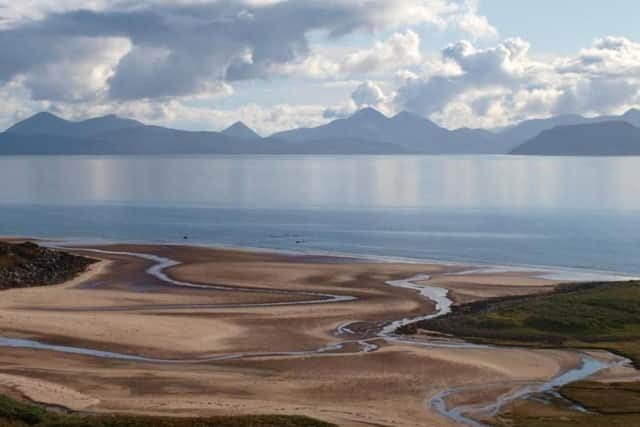
This name, whilst seemingly of English origin, is a reinterpretation of an earlier Aporcrossan. This is a Pictish name, meaning confluence of the Crosan river.
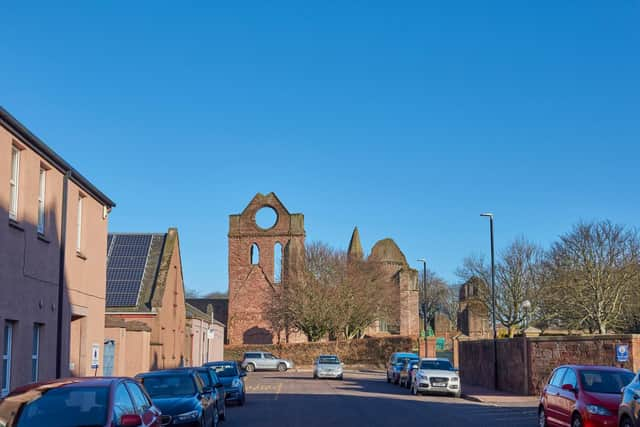
Made famous by the Declaration of Arbroath in 1320, the older form of this name was the longer Aberbrothock (Aberbrudoc in c. 1194), shortened in recent times to its current form.
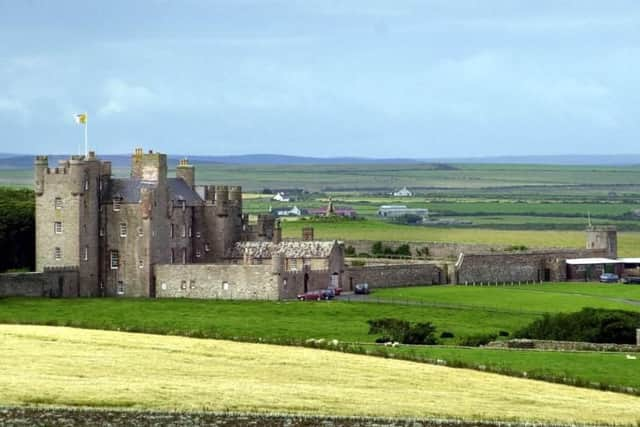
The English form Caithness is a name of Norse origin, on record in around 1200 AD in the Orkneyinga Saga as Katanes, meaning the headland of the cats.
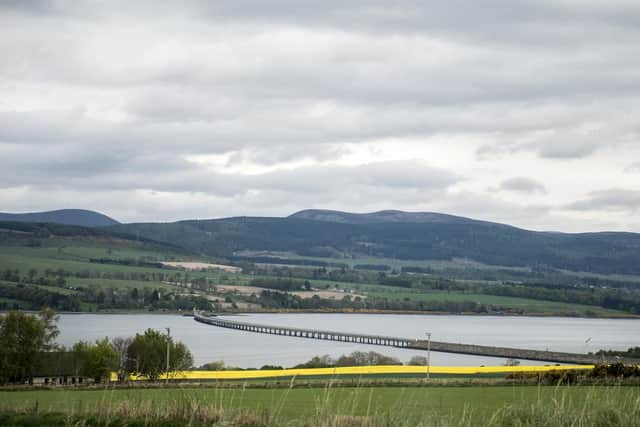
Dingwall is a name of Norse origin: ingvellir meaning assembly field. The location of this place is thought to be what is now Cromartie Memorial car park.