
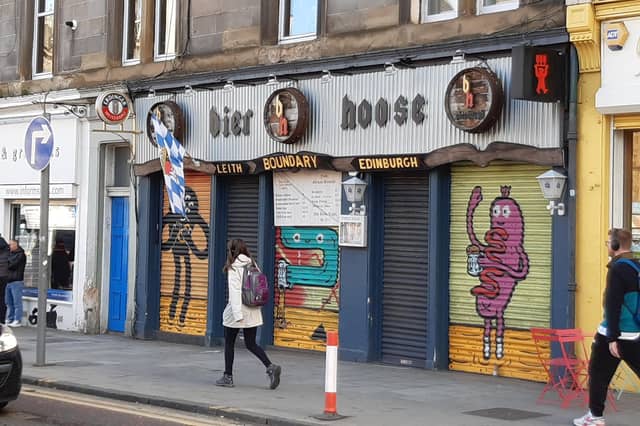

The passing of the Edinburgh Boundaries Extension and Tramways Act of 1920 led to a major expansion of the city’s boundaries, including the amalgamation of a number of Midlothian parishes to the south and the fiercely independent burgh of Leith to the north.
Leithers were passionate about the sovereignty of their town and voted overwhelmingly in favour of remaining separate from Edinburgh in two plebiscites held over the course of 1920. Controversially, the boundaries act still went through.
From boundary markers to fading street signage, we take a look at 11 remnants that serve as a reminder of the days when Leith was an independent burgh in its own right.
A message from the Editor:
Thank you for reading this article. We're more reliant on your support than ever as the shift in consumer habits brought about by coronavirus impacts our advertisers.
If you haven't already, please consider supporting our trusted, fact-checked journalism by taking out a digital subscription at https://www.edinburghnews.scotsman.com/subscriptions.
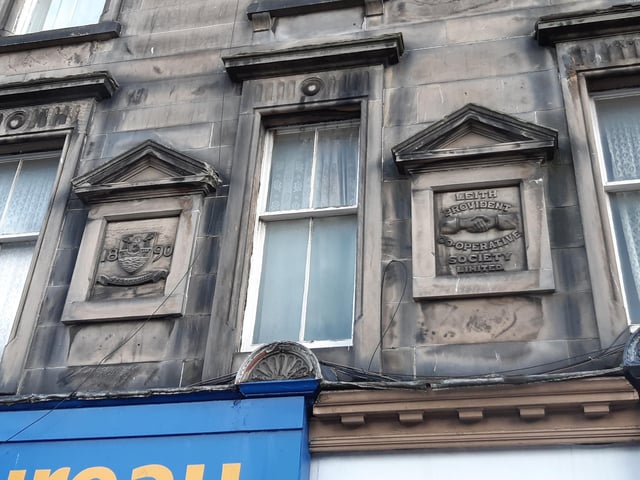
9. Leith Provident
This stone relief on premises formerly belonging to the Leith Provident Co-operative Society can be seen today on Dalmeny Street. The Leith Provident was founded in 1878 and had its own Edinburgh merger a century later, becoming part of the Capital's St Cuthbert's Co-op, which was one of the largest in the UK's co-operative industry. Photo: Contributed
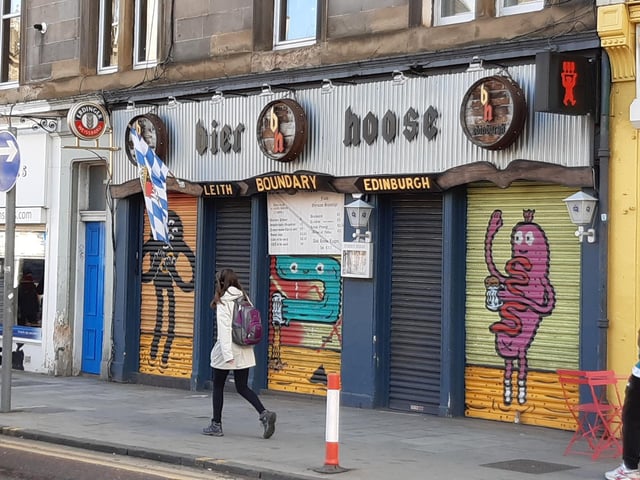
10. Boundary Bar (former)
Leith and Edinburgh adhered to separate alcohol licensing laws. One Leith Walk pub, the Boundary Bar (now Bier Hoose), straddled the dividing line between the burghs, meaning drinkers could spill over to the Leith side at 9.30pm sharp to enjoy an extra half hour of revelry. Photo: Contributed
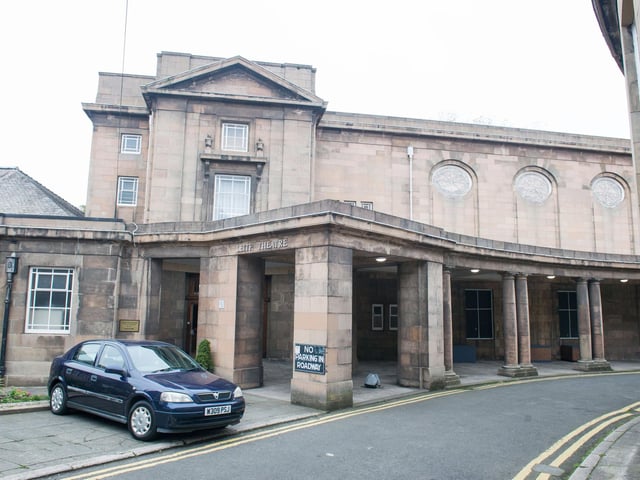
11. Leith Theatre
Opened in 1932, Leith Theatre was built a full 12 years after amalgamation. Few are aware, however, that the complex was actually part of a promise to placate the Leith public for their acceptance of the 1920 merger. Photo: Ian Georgeson