
When Edinburgh's North Bridge collapsed and killed five people


The creation of Edinburgh's first North Bridge should have been a time of celebration for Scotland's capital, but a series of crucial design flaws would result in one of the city's worst disasters of the Georgian era.
Edinburgh in the late eighteenth century was growing in both size and reputation. The city boundary, however, was restricted to the dramatic crag and tail feature which swept eastwards from the castle.
Up to 35,000 people inhabited a space under a mile long making Scotland’s capital one of the most densely populated urban areas in the world at that time.

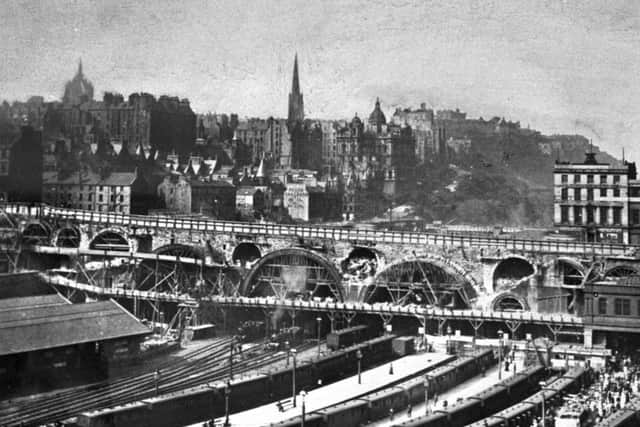
Construction of a New Town had been proposed, sparking the need for a grand public communication to span the deep Nor' Loch valley that bordered the immediate north of the Old Town.
The foundation stone of architect William Mylne’s North Bridge was laid in October 1763 but it would be a further two years before any serious amount of progress was made.
Nearing completion, the magnificent multi-arched bridge first opened to pedestrians in 1769 to much fanfare and excitement.
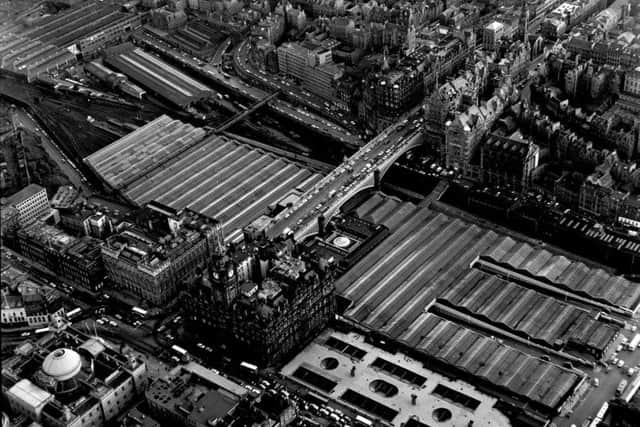
However, the cheers would soon be emphatically silenced that summer due to a disaster of epic proportions.