
The Scottish castle that went to the dark side as a witch's prison


Dirleton Castle in East Lothian served as a prison for those accused of witchcraft in the 17th Century. Here Morvern French, properties historian at Historic Envirnment Scotland, looks at this grim chapter in the landmark’s history.
This Women’s History Month, we remember those executed for witchcraft in early modern Scotland and nearly 4,000 people accused between 1550 and 1700.
Of these, 85 per cent of them were women and a third to a half of those accused were executed.
The Church of Scotland heavily influenced witch hunts, seeing witchcraft as a sin and a threat to Christianity. Suspects would be imprisoned and interrogated with the aim of obtaining confessions, sometimes tortured with sleep deprivation.
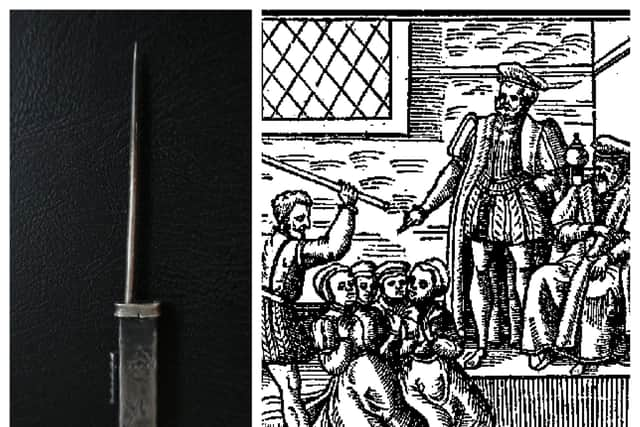
During the panic of 1649-50 more than 600 people were accused of witchcraft across southern and eastern Scotland. Six of those were from the parish of Dirleton in East Lothian.
In June 1649 the widow Agnes Clarkson confessed to witchcraft after being held prisoner in Dirleton Castle.It’s likely she was held in the castle’s pit prison. She was interrogated by a presbytery, or church court, including Johne Makghie, minister of Dirleton.
This article first appeared on the Historic Environment Scotland blog.