
The historic Scottish village church that would be transformed into four-bedroom home
The church in the Scottish Borders, which has been unoccupied since 2019, would be saved under the plans
Plans have been revealed to safeguard the future of an historic village church in the Scottish Borders that is believed to date back to the 12th century.
Smailholm Church, which avoided demolition during the reformation, would be converted into a four-bedroom family home under the plans.
The building contains many original and historical features including stained glass windows, a pipe organ, and the laird’s loft – where the local landowner and his family would sit, separate from other parishioners.
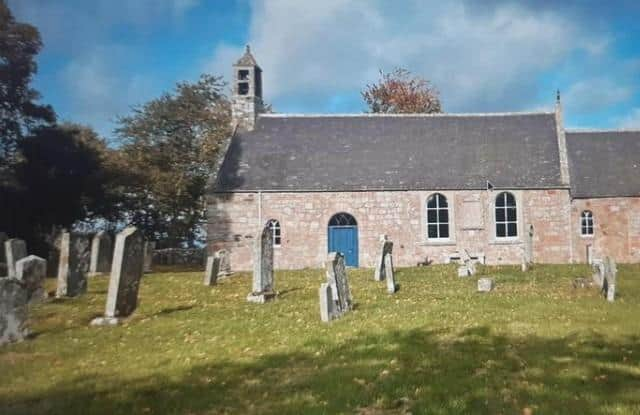

Now an application has been submitted to Scottish Borders Council for its change of use.
The applicant’s aim is to convert the disused building and to give it a “new lease of life, repairing and sensitively retrofitting existing fabric to current environmental standards”.
A design statement with the application, submitted by South Queensferry-based WT Architecture, says: “The proposals for the conversion of Smailholm Church into a dwelling carefully balance the historic value and character of the building with the requirements that come with a new use (both sustainability and function) allowing the building to be safeguarded for future generations, to be looked after and to continue contributing to the setting of Smailholm village and the Smailholm Conservation Area.
“The intervention is respectful to both the building and its setting, allowing key features to remain where possible, refurbishing or bringing back features that were lost, expressing their history/presence where not possible to keep a feature and presenting a clear visual definition of contemporary intervention.
“The changes to the building fabric are sensitive, in keeping with the character of the building and propose fabric improvements in line with latest recommendations by Historic Environment Scotland, with the hope of returning the church into active use after being unoccupied since 2019.”
The results of a survey have established the presence of several bat species within the graveyard, but no activity within the church itself. There was no evidence to indicate that bats had been present within the church in recent times.
The proposed works will involve significant additions to the existing interior fabric of the church, with limited alterations to the exterior.
The plans have been submitted at a time when the Church of Scotland is selling as many as 100 of its historic buildings amid pressure on finances. The Church has been battling a steady decline in parishioners in recent years, having lost one million members since 2001.
Former council houses, churches and plots of land are among the properties for sale, some for as little as £35,000. The buildings put on the market have included the neo-Gothic St Mary's Greyfriars in Dumfries for bids over £38,000.
A Church of Scotland spokesperson said last month: “The Church owns thousands of properties, far more than required to achieve our primary mission of sharing the good news of Jesus Christ. Although buildings are cherished, they must not hinder progress.”
Andrew Boast, of SAM Conveyancing, had warned potential buyers of properties like churches to be careful. “Churches are notoriously chilly and good at losing heat, making them tricky and expensive to keep warm," he told The Telegraph.
Comments
Want to join the conversation? Please or to comment on this article.