
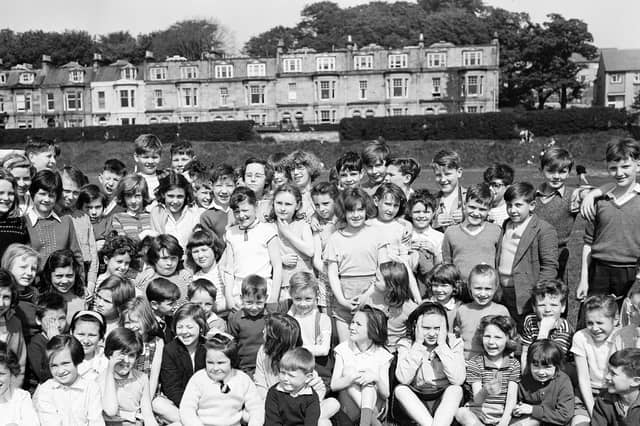

Back in the day, Stockbridge wasn’t actually part of Edinburgh, but rather one of a number of rather isolated villages outside the city.
It was named after the Scots for ‘timber bridge’, with the current ‘Stock Bridge’ built spanning the Water of Leith in 1801, making the area attractive to developers.
In the 18th century the area was perhaps most famous for being the location of St Bernard’s Well, where the nobility and gentry would drink the waters that reputedly had medicinal qualities.
In 1788 Lord Gardenstone, a wealthy law lord who enjoyed ‘taking the waters’, commissioned architect Alexander Nasmyth to design a new pump house in the shape of a Greek temple that still sits on the banks of the Water of Leith today – with a statue of Greek goddess of health Hygieia later added by Edinburgh publisher William Nelson.
In the 1790s acclaimed Scottish artist Sir Henry Raeburn purchased the majority of the St Bernard’s estate and started feuing off parts for the development of residential properties, though he lived there until his death in 1823.
Raeburn also was also responsible for designing some of the most beautiful buildings in the area, which were built by architect James Milne, including St Bernard’s Church in Saxe Coburg Street and the houses on Anne Street, named after the artist’s wife.
Stockbridge was officially incorporated into the City of Edinburgh in the middle of the 19th century, when the fast-flowing river meant the village was the perfect location for mills producing cloth, flour and paper.
Artisan craftspeople and artists of all kinds were attracted to the thriving commercial area, with the Stockbridge Colonies terraced housing built in the late 19th century becoming home to skilled workers.
Independent shops still thrive today on the main retail thoroughfare of Raeburn Place, selling everything from art and jewellry to handmade soaps and locally-produced food and drink.
Raeburn Place was also the location of the first international rugby match, at the Edinburgh Academy sports ground, between Scotland and England on 27 March, 1871.
Next door the Grange Club remains the home of the Scottish International Cricket Club.
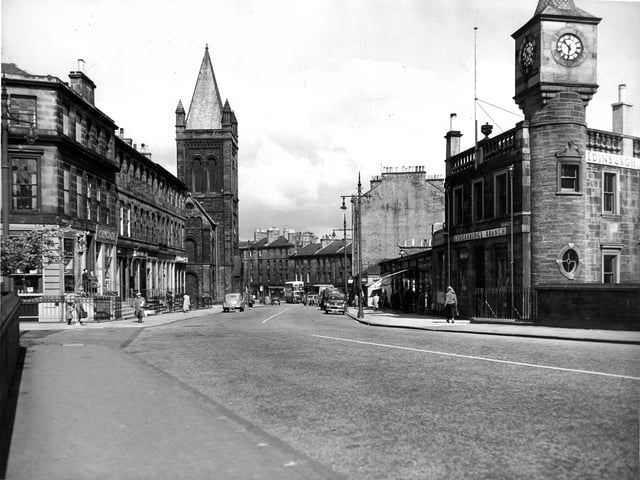
Here are 26 pictures from The Scotsman archive to take you back to the Stockbridge of the 1950 and 1960s.
Make sure you don't miss a moment of breaking news from across Scotland by signing up to our free newsletter here.
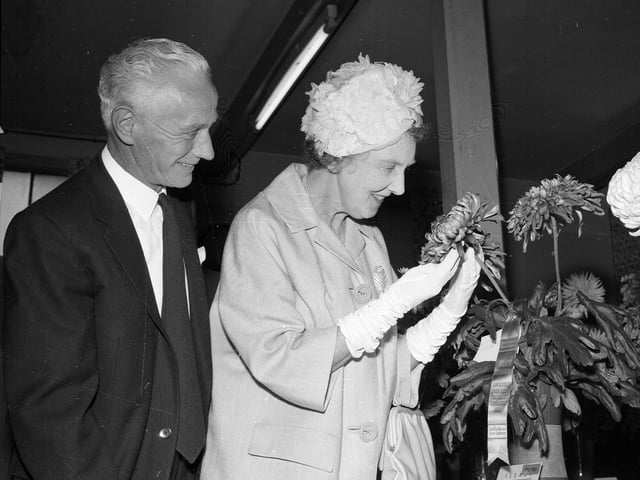
2. In bloom
Mrs Hedderwick, the wife of a councillor, admires prize blooms with Flower Club President William McGregor at the annual Flower Show in Stockbridge Church Hall in September 1963. | Iconic Media
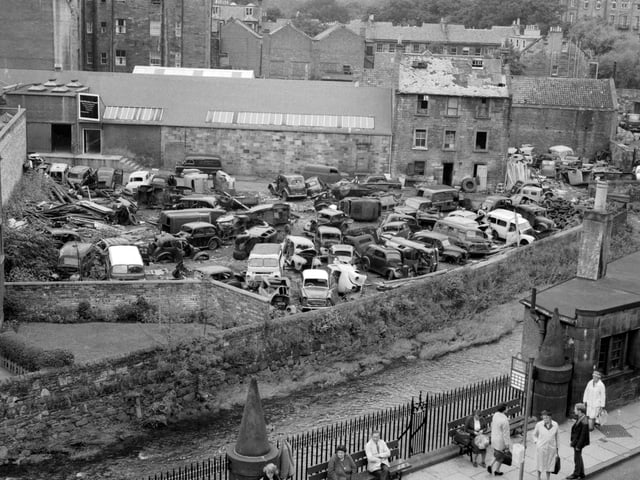
3. 2025_11_21_11_33_13_860_ELM_0000000001D000A8D56.JPG
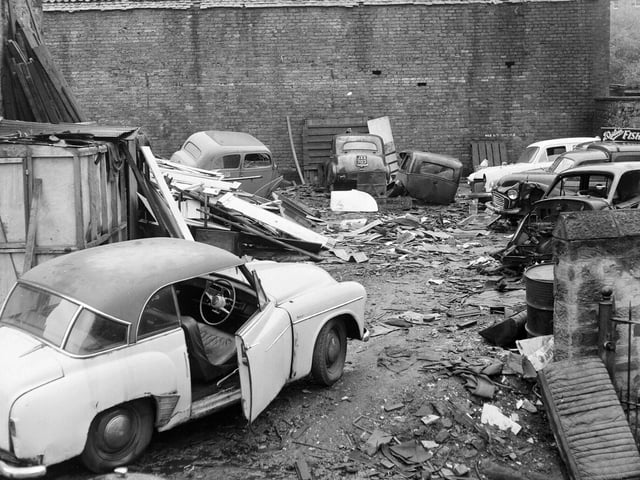
Overlooking the cars in a scrapyard behind Deanhaugh Street in Stockbridge, Edinburgh in August 1966
4. What a dump
The car and rubbish dump in Haugh Street, Stockbridge, in July 1965. | Iconic Media