


King Charles III has no shortage of ties with Scotland, being directly descended from James VI of Scotland through his grandfather King George VI.
The British royal family can trace their ancestry through generations of Scottish nobility back to the 14th century and Sir John Lyon, Thane of Glamis, who married King Robert II’s daughter.
Meanwhile Glamis Castle was the ancestral home of King Charles’ grandmother the Queen Mother, as well as being the birthplace of the his late aunt, Princess Margaret, who was the first royal baby to be born in Scotland since 1600.
And the royals love to holiday in Balmoral, in Aberdeenshire, which was created by Queen Victoria and Prince Albert as a private family retreat.
These links with Scotland are accompanies by numerous grand-sounding titles that are bestowed on the royals when they are born, married or inherit them.
Here are 13 of them, where they originated, and who currently holds them.
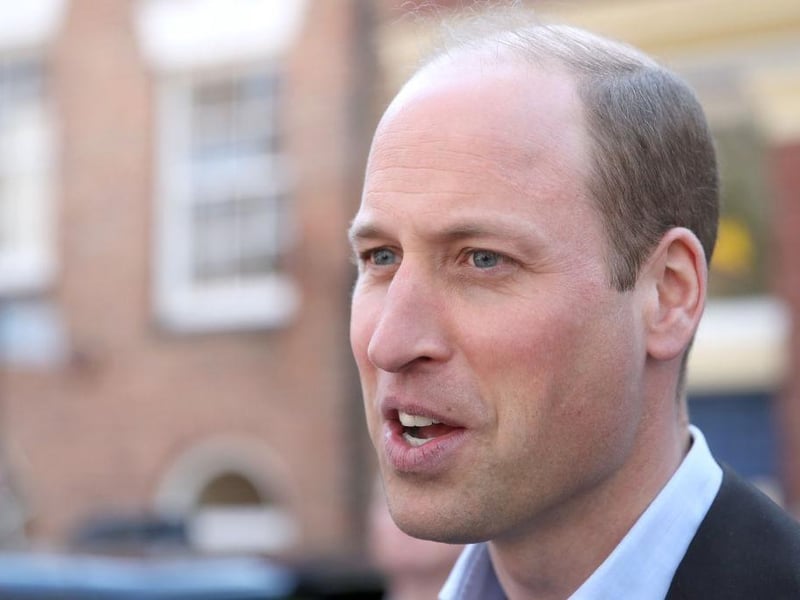
5. Duke of Rothesay
When Charles became King upon the death of his mother, a number of titles passed directly to his eldest son - Prince William. One of these was the Duke of Rothesay. It has been given to the heir to the Scottish throne since King James I, a succession that became law in a 1469 Act of the Parliament of Scotland. Photo: Cameron Smith
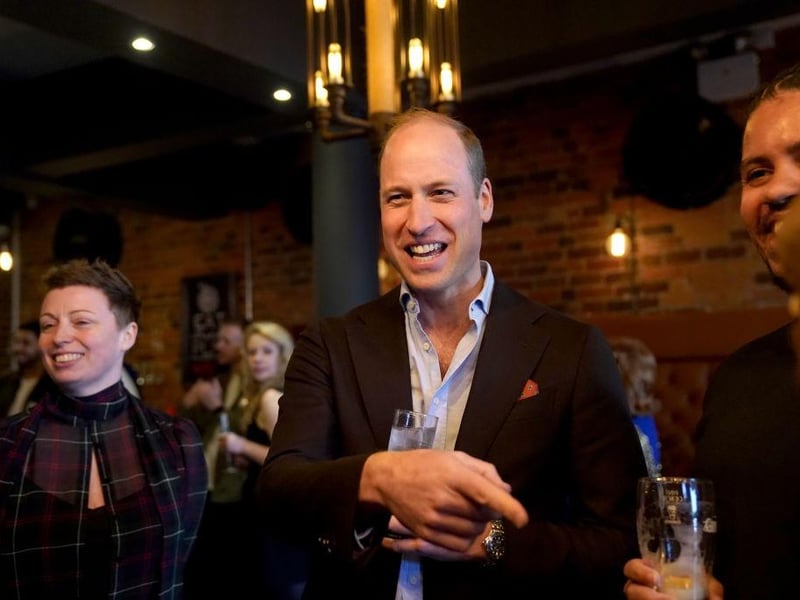
6. Earl of Carrick
Prince William has also inherited the title of Earl of Carrick from his father. The title dates back to the 12th century and refers to the area of Scotland that is now Ayrshire. The modern title refers to Carrick in Orkney and was created in 1628 by Charles I for John Stewart, an illegitimate grandson of King James V. Photo: WPA Pool
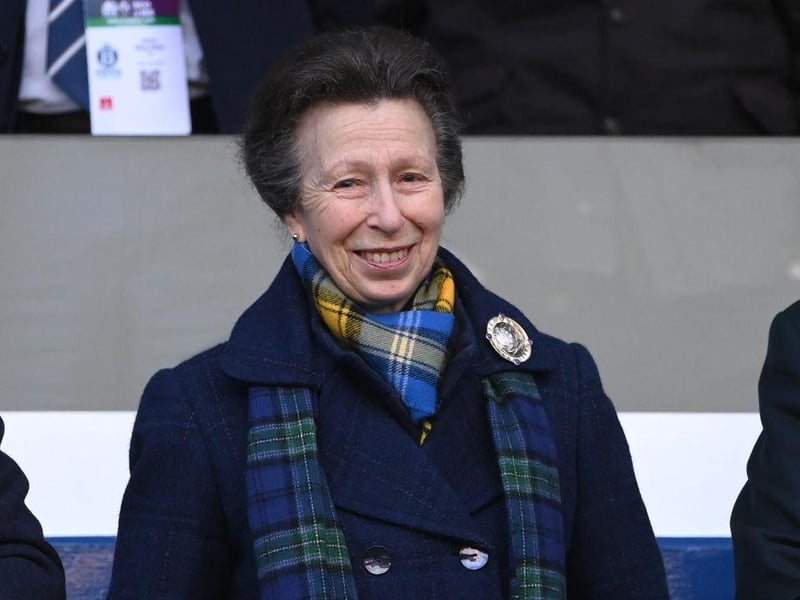
7. Knight of the Thistle
Princess Anne's love of Scotland, and the Scottish rugby union team, is well known. In 2000 she became an Extra Knight of the Order of the Thistle alongside Prince William, with King Charles serving as sovereign of the Order. Photo: Stu Forster
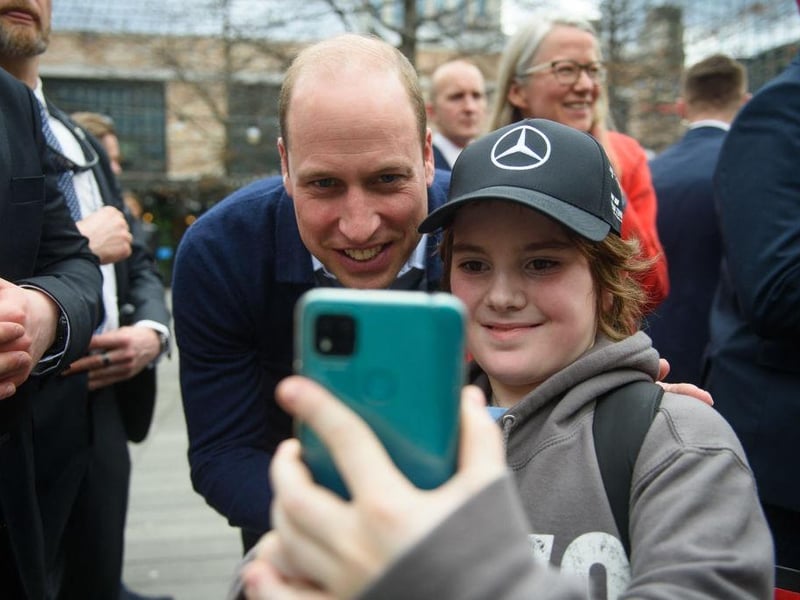
8. Baron of Renfrew
The third title passed to Prince William when his father became King is Baron of Renfrew. It dates back to 1404 and has traditionally been used by royal heirs when they want to travel incognito - either as Lord Renfrew or, in the case of King Charles, 'Charles Renfrew'. Photo: ZBYSZEK KACZMAREK