
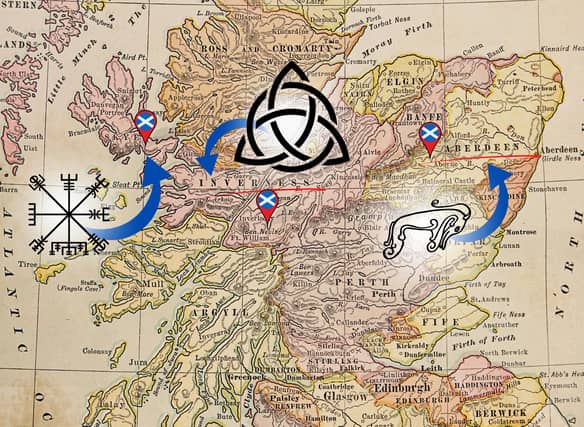


Scottish place names are fascinating to say the least, from Ecclefechan in the lowlands to Achluachrach in the Highlands, these locations are difficult to pronounce even for locals, but do you know why?
Aside from Scottish Gaelic and the Scots tongue, Scotland’s history has been decorated with a variety of Celtic and Nordic languages (like Pictish and Old Norse) that have given birth to many intriguing locations with uniquely meaningful names.
To discover the heritage of these names there are clues you can look out for e.g., if you’ve travelled through Scotland and noticed signs mentioning Inver (like Inverness) then you’ve likely encountered a place name that is Gaelic in origin according to BBC Education Scotland, but what about the other languages?
Here are 13 fascinating Scottish place names, what they mean and how to determine if they’re of Gaelic, Pictish or Nordic descent.
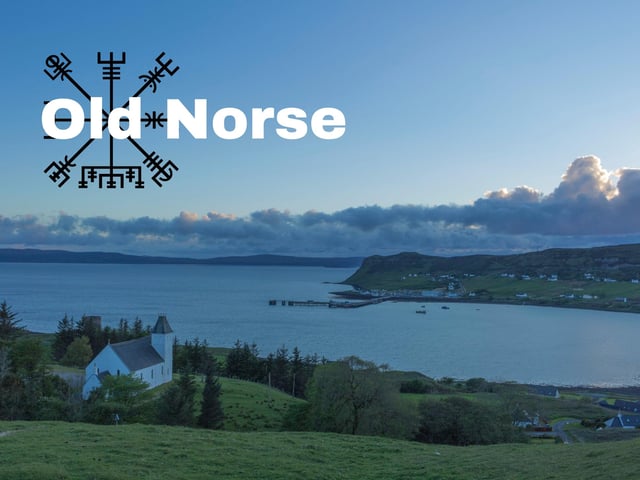
9. Uig (Old Norse)
Uig is a village in the Isle of Skye used as a ferry port which makes sense given its name which derives from the Old Norse word ‘vík’ which means ‘bay’. Seaborne raids of Scotland by Scandinavian Vikings occurred from 793 and aspects of their culture, like language, feature prominently in coastal regions of Scotland for this reason. Photo: sankrantijoshi via Canva Pro
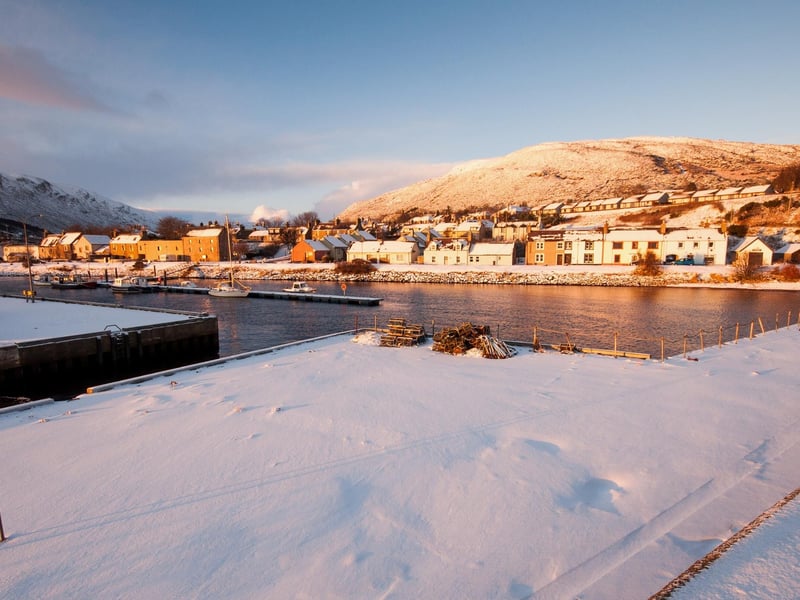
10. Helmsdale
Norwegian settlers who founded their township here called their village and the surrounding valley ‘Hjalmundsdalr’; scholars report that this means ‘Helmund's Valley’ with ‘Helmund’ reflecting a personal name. The term ‘Dale’ is Norse and it means ‘valley’. Another example is Brosdale which is an uninhabited island in the Inner Hebrides. Photo: JoeDunckley via Canva Pro
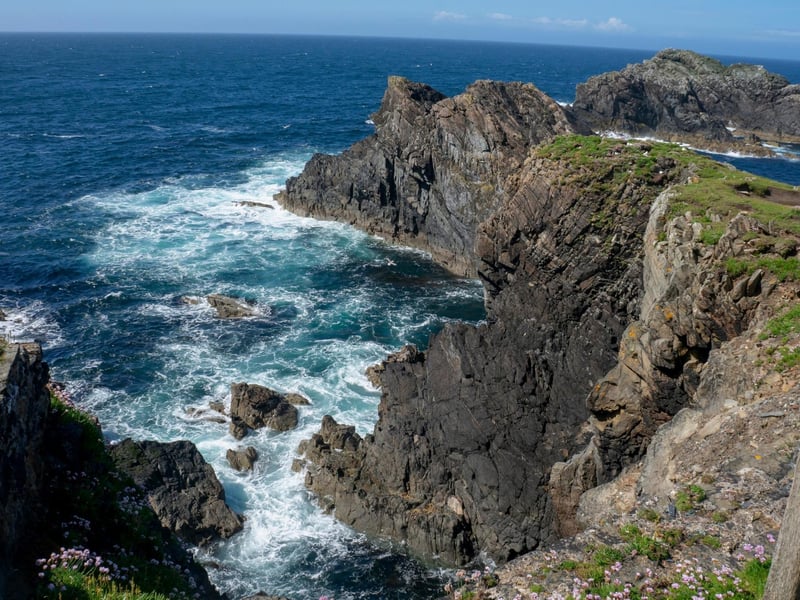
11. Laxay
Laxay is a village lying on the north side of Loch Erisort in Lewis, its name is said to come from the Norse word ‘laxar’ which means ‘salmon’. Another village in the area, Laxdale (meaning ‘salmon valley’ in Norse) shares this etymology. Photo: Thomas Zander via Canva Pro
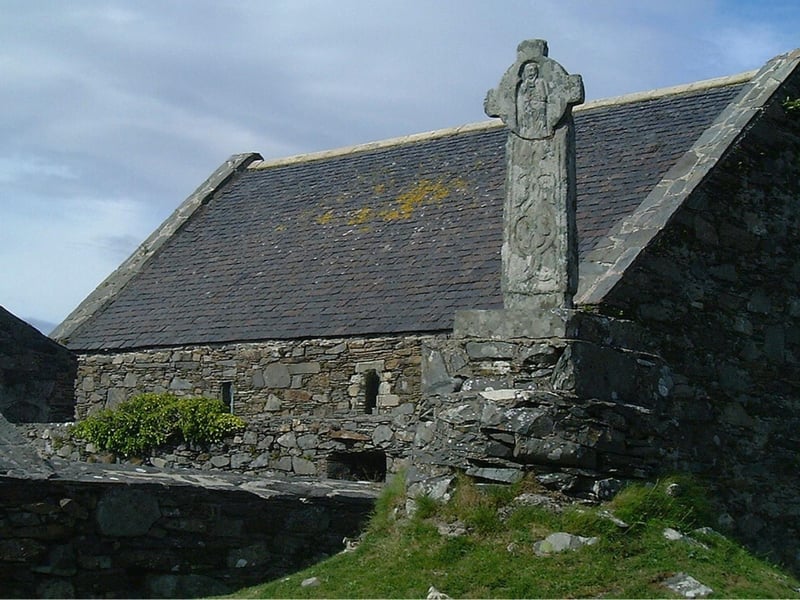
12. Oronsay
Oronsay is a tidal island which is said to have one of Scotland’s best preserved priories with a beautifully preserved Celtic cross. Theories for the isle’s name consistently attribute it to Old Norse, one suggests it comes from “Örfirisey” which means "island of the ebb tide". Photo: nigel_brown on Flickr