


Certain words that Scotland and the English-speaking world use today, while pronounced differently, have emerged from Scottish Gaelic (or via Irish Gaelic which is very closely related.)
It can be easy to think that Gaelic borrows from English, which in some cases is true as many modern European languages have adapted English words, but this overlooks how English takes from others.
Many languages Germanic, Latin, Greek, Norman French and Celtic in origin make appearances in what we know as English today. By way of Ireland, Gaelic was brought to Scotland around AD 500 meaning these words have Irish roots in common but certainly pass through Scottish Gaelic.
Learn about these words with Carl’s Lingo Kingdom (see attached video), or continue reading now for 13 English words that are connected to Scottish Gaelic.
13. Slogan
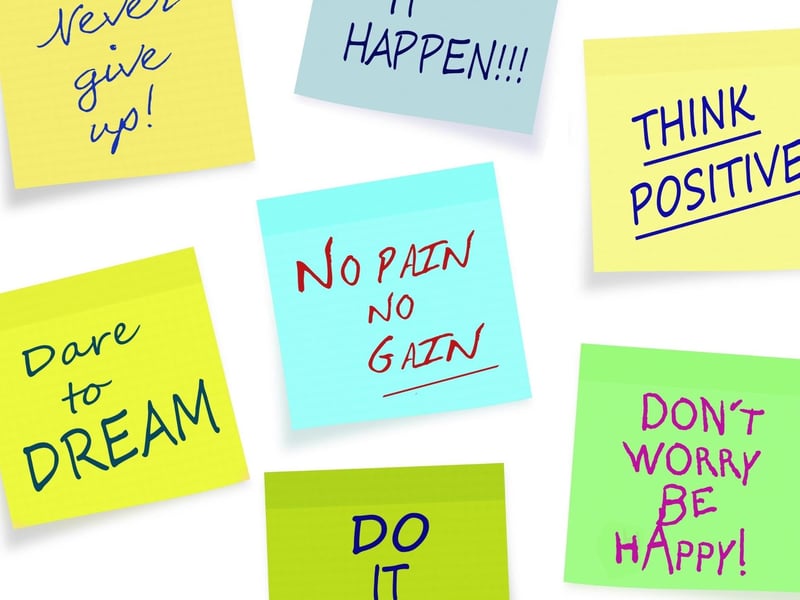
The marketing term "slogan" comes from "sluagh-ghairm" which means "army cry" (like a war cry). This is because in English the word originally referred to rallying an army on the battlefield, but later in peaceful times became known as the catchphrase used by a particular group, changing its meaning as it became common in advertising. Photo: Goldfinch4ever - Getty Images
14. Galore
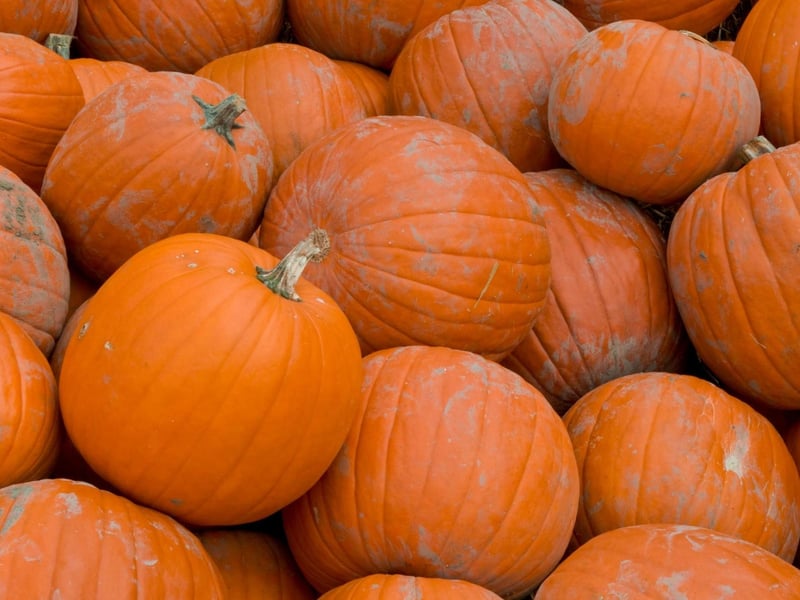
This word came to English from the Scottish Gaelic "gu leòr" which literally means "enough" or literally "to sufficiency". In the image above, for example, with Halloween coming up this year we clearly have pumpkins galore (or to sufficiency!) Photo: Tempau - Getty Images Signature

15. Shindig
The word "shindig" (which refers to a lively party) is said to derive from "sìnteag" which in Scottish Gaelic means means "leap, jump". An appropriate word for a party specifically meant to be large and energetic. Photo: g-stockstudio - Getty Images Pro

16. Trousers
The Gaelic word "triubhas" pronounced like "trews" is reportedly the origin for the English word "trousers". In Scottish Gaelic, these are also known by "briogais" which Scots may refer to as "breeks" nowadays. Photo: Premyuda Yospim - Getty Images