

When it came to public spending power, the decade began less auspiciously than Margaret Thatcher’s Conservative government would have hoped.
Unemployment soared towards the 3 million mark in the 1980s as the Tories pursued a sweeping de-industrialisation program while struggling to control inflation.
In 1981, the jaws of recession latched on to the UK with such great force that for the first time in a generation high streets became increasingly peppered with boarded up premises.
Despite the economic downturn, there were plenty Scots who thrived during the decade and were able to enjoy the fruits of a new age in consumerism.
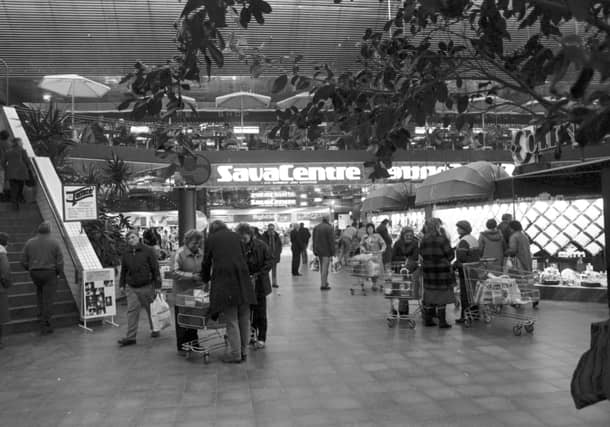
A more American retailing model began to emerge. Burger chains were springing up, cocktail bars were opening and sprawling shopping centres and retail parks were being built up and down the country.
Shopping habits were changing. Suddenly, the public no longer desired the inconvenience of visiting separate premises to pick up meat, fish and fruit and veg.
Supermarkets and freezer centres, where pretty much everything could be purchased under one roof, became the norm for food shopping.
US fast foods chains, such as McDonald’s and KFC, were also gaining a foothold in Scotland, and spreading to every city by the end of the decade.
Clothes shopping was also being transformed. The Waverley Market and Princes Square developments, opened in 1984 and 1986 in Edinburgh and Glasgow respectively, offered consumers a landscaped and covered plaza where they could shop till they dropped.
It’s fair to say the country went shopping mall crazy in the 1980s. Scotland’s first out of town shopping centre, Edinburgh’s Cameron Toll (1984), accompanied Glasgow’s St Enoch Centre (1989), the Eastgate in Inverness (1983), and the Bon Accord in Aberdeen (1985), each in pursuit of their own modern, practically identikit retailing experience.
However, the great shopping mall shift proved devastating for Scotland’s traditional large shopping outlets – the department stores.
During the early 80s, Scotland kissed goodbye to many of its best-known and oldest department store brands. Glasgow’s upmarket ladies and gents outfitters R W Forsyth vanished in 1983, while in Edinburgh’s North Bridge, the vast Arnott’s store, which had previously been Patrick Thomson and established in 1889, shut up shop in 1982.
A message from the Editor:
Thank you for reading this article. We're more reliant on your support than ever as the shift in consumer habits brought about by coronavirus impacts our advertisers.
If you haven't already, please consider supporting our trusted, fact-checked journalism by taking out a digital subscription at https://www.scotsman.com/subscriptions.
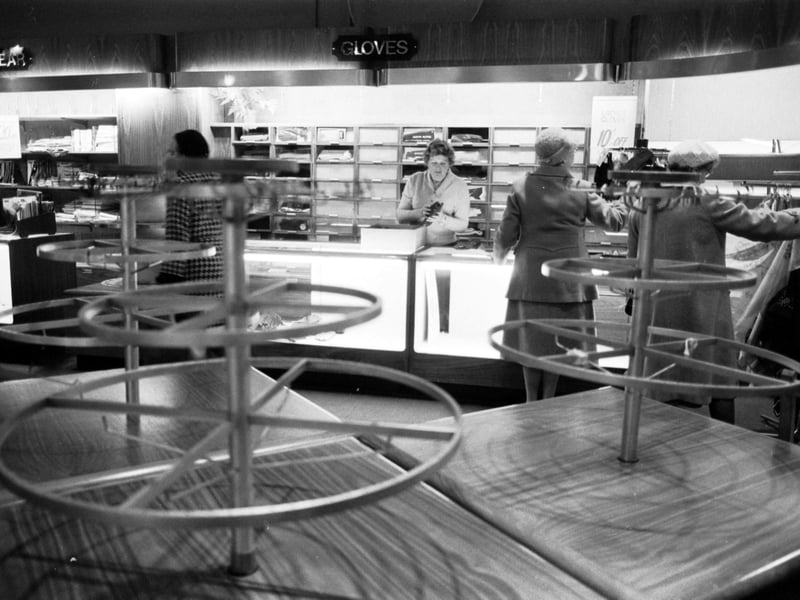
5. RW Forsyth last few days 1981
The last few customers at the glove department of RW Forsyth in Princes Street, one of Edinburgh's most famous department stores, before it closed in October 1981. Photo: Hamish Campbell
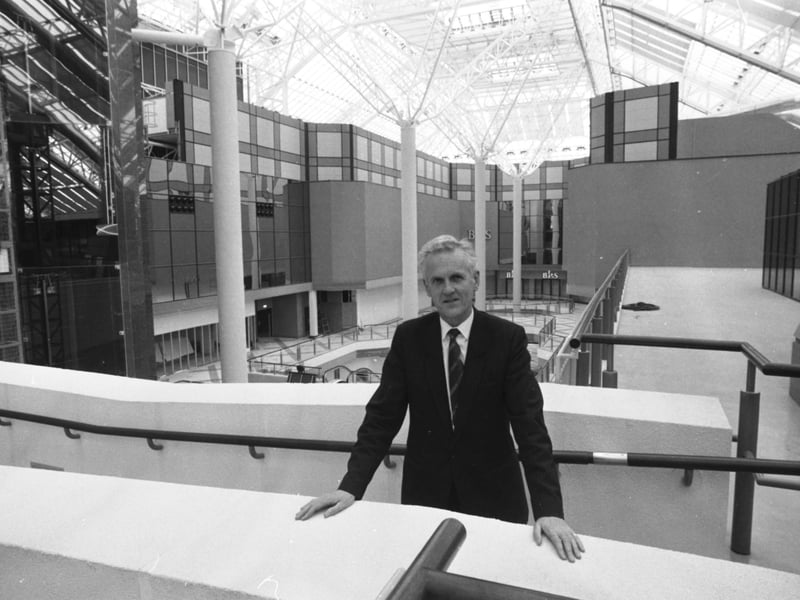
6. George Ritchie in St Enoch Centre 1989
Manager George Ritchie inside the newly-opened St Enoch Centre in St Enoch Square Glasgow, May 1989. Photo: Donald Macleod
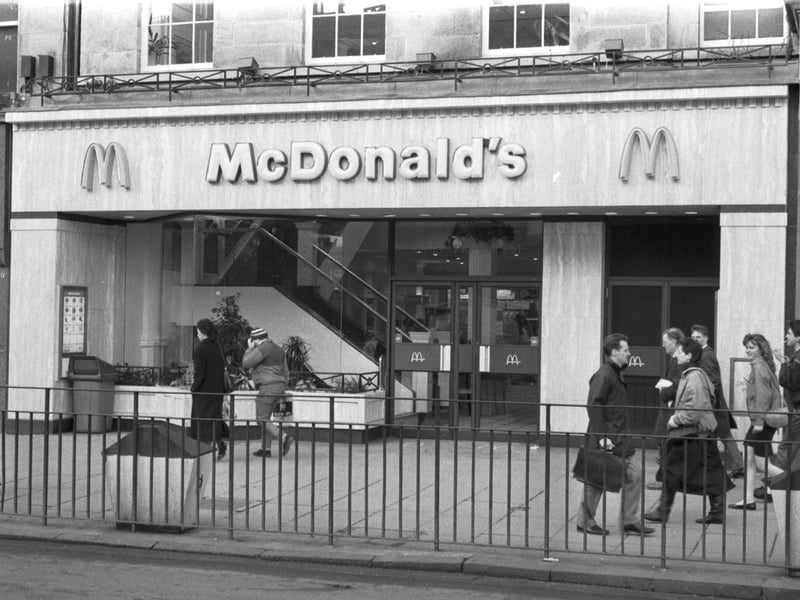
7. Princes Street McDonald's 1989
McDonald's fast food takeaway and restaurant in Princes Street Edinburgh, March 1989. Photo: Jack Crombie
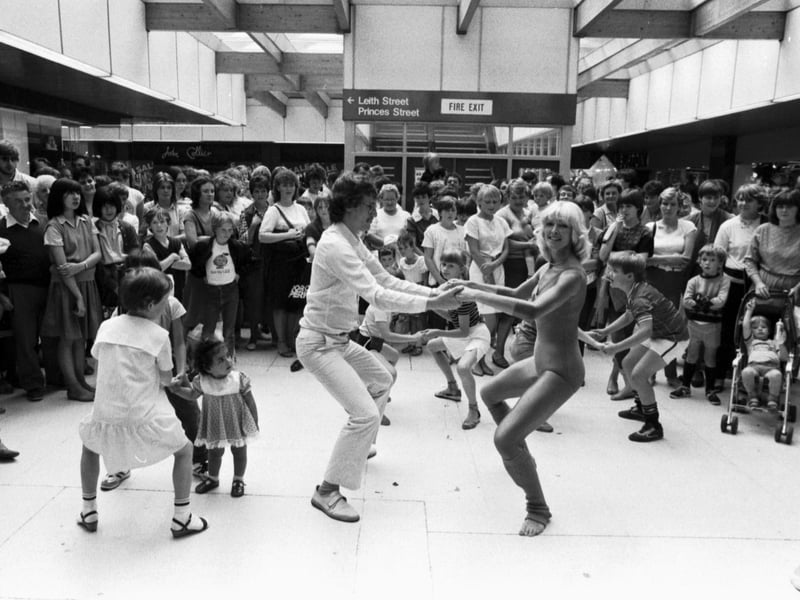
8. Diana Moran in Edinburgh 1983
Fitness expert Diana Moran (the 'Green Goddess') takes an impromtu keep-fit class in the St James centre Edinburgh, August 1983. Photo: Alan Ledgerwood