
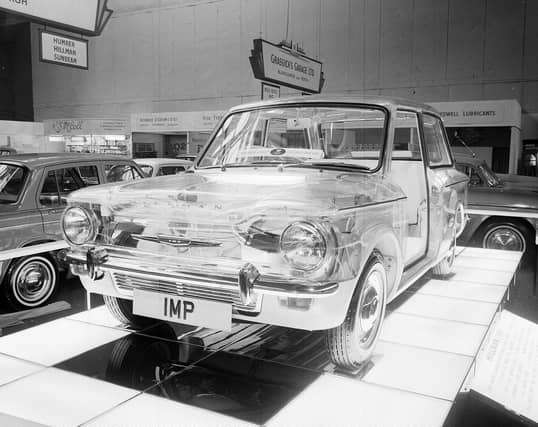

When Linwood car plant ceased operation on February 11, 1981, thousands of men and women were very unceremoniously left redundant in one fell swoop.
In just 18 years, the workforce had churned out an astonishing 440,000 vehicles, their most successful and well-known being the Hillman Imp.
However, while it was hailed as the great Caledonian-built rival to the legendary Austin Mini, a mixture of poor management, cost-cutting and industrial disputes would ultimately result in a low quality product that was notorious for breaking down.
Originally opened by the Rootes Group in 1963, Linwood underwent a number of ownership changes, passing first to American brand Chrysler before winding down in the late 1970s and early 1980s under Peugeot-Talbot.
Compact models were very much in vogue after the 1956 Suez Crisis, and the Hillman Imp, while never quite able to match the Mini, sold relatively well - especially in Scotland, where buyers took pride by the knowledge that it was the first car to be built here in 35 years.
With an 875cc rear-mounted engine tilted at an accessible 45 degree angle, the wee motor could reach 0 to 50 in just under 15 seconds and boasted top speeds approaching 80 miles per hour.
Popular variants included the Sunbeam Stiletto, the Californian, the esate-sized Hillman Husky, and the most exquisite of all, the Singer Chamois. Hillman Imps were even favoured by Dunbartonshire Police, who first adopted the car in 1967.
The car was also celebrated for its cutting-edge design principles and quirky features. There were fold-back seats, indicators, stalk controls for the windscreen wipers and the rear window opened.
Above all, though, with a launch price of £500, the Imp represented great value for money - or so it first appeared.
Thanks to a host of internal design flaws, which included an inadequate cooling system, poor steering, gearbox and clutch problems, faulty chokes and a tendency to leak water, the Hillman Imp developed a reputation for unreliability. Break-downs became a common occurrence for Imp owners, with the car’s main saving grace being that it was generally easy to fix, provided you knew what you were doing.
Now, 40 years since the factory’s sad closure, we reflect on the history of Linwood, Scotland’s legendary car plant.
A message from the Editor:
Thank you for reading this article. We're more reliant on your support than ever as the shift in consumer habits brought about by coronavirus impacts our advertisers.
If you haven't already, please consider supporting our trusted, fact-checked journalism by taking out a digital subscription at https://www.scotsman.com/subscriptions.
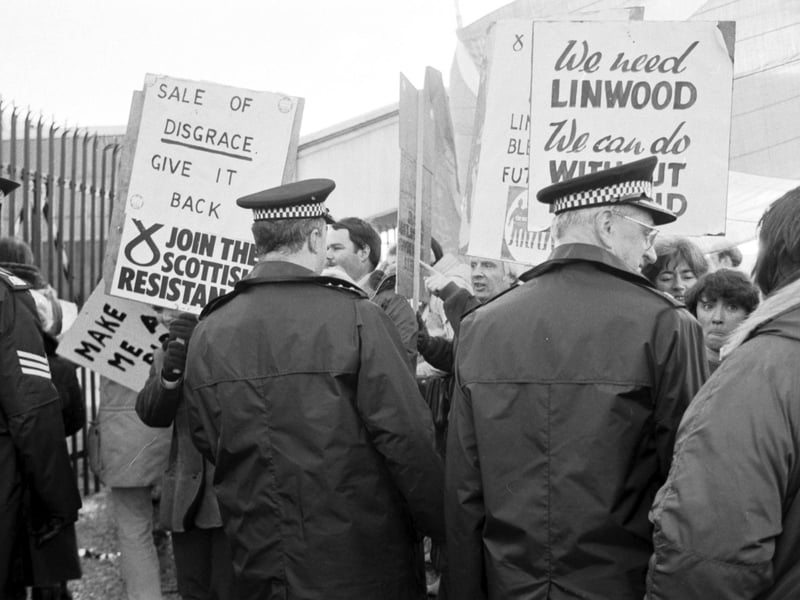
13. Demonstrators
Police step in at Linwood Rootes car factory in November 1981 when demonstrators gather at the auction of fixtures and stock. Photo: Allan Milligan
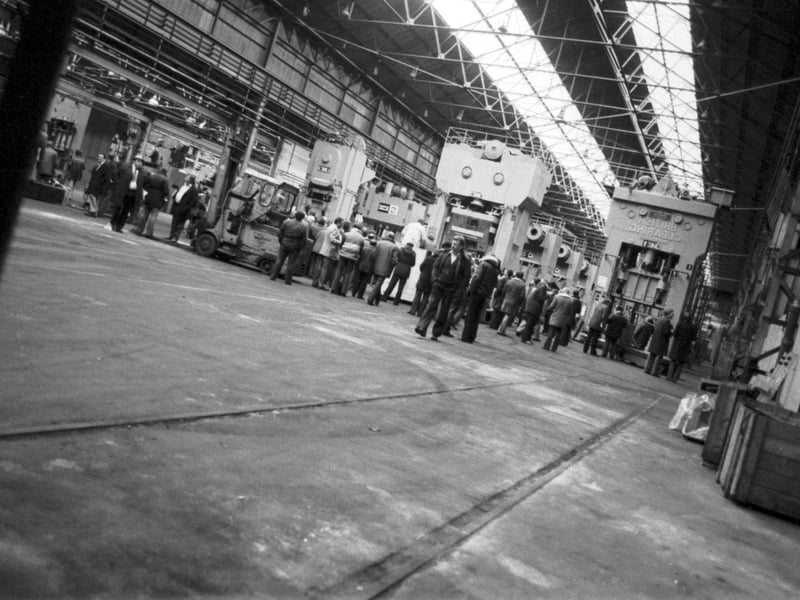
14. Linwood factory auction 1981
Plant and stock are auctioned off at the Linwood Rootes car factory in November 1981. Photo: Allan Milligan
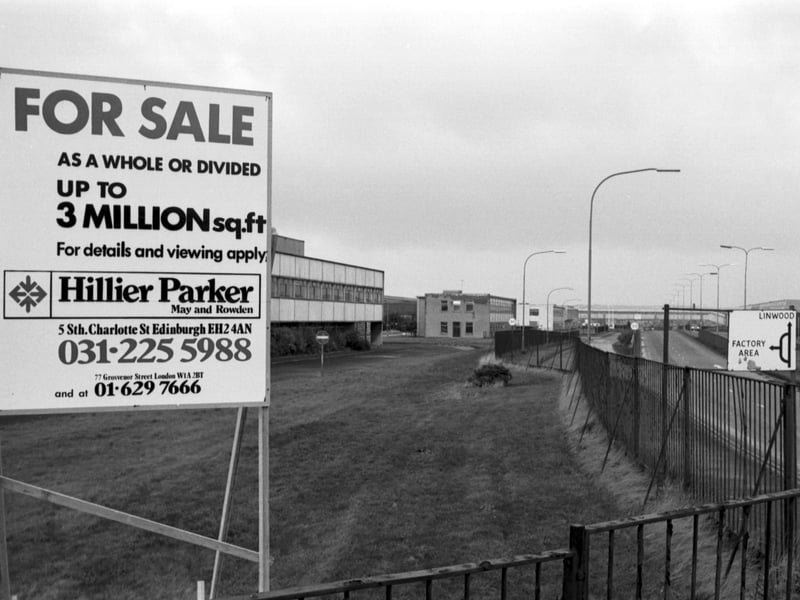
15. Linwood Rootes for sale 1981
The For Sale sign outside the Rootes car factory at Linwood in November 1981. Photo: Allan Milligan
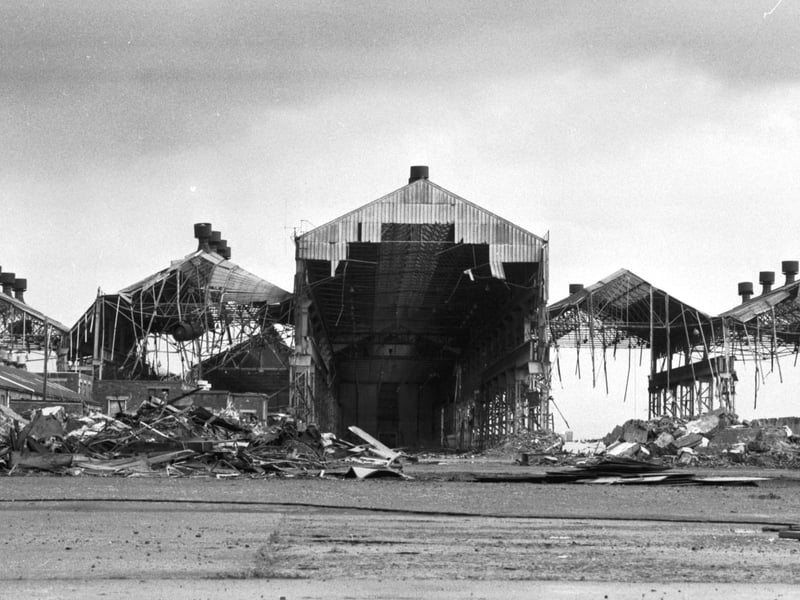
16. Linwood car plant demolished 1985
The old car factory at Linwood being demolished in August 1985. Photo: Brian Stewart