


The celebration of the New Year is thought to have its origins in the Norse and Gaelic practice of observing the winter solstice and comes with a colourful collection of traditions.
The origin of the word ‘Hogmanay’ itself is shrouded in mystery – with various theories about it coming from French, Gaelic, Norse or even Ancient Greek.
What we do know is the first written mention of ‘hagmonay’ in the records of the Mory town of Elgin in 1604.
The customs embraced by Scots over the centuries include first-footing, when the first person to cross the threshold of a friend or neighbour after midnight brings a gift of salt, coal, shortbread, whisky, or a black bun.
The ritual is supposed to bring luck to the recipient, with tall, dark-haired men believed to be the preferred first-footer.
Local New Year traditions in Scotland include swinging fireballs in Stonehaven, a torchlight procession in Falkland, and the New Year gift of a herring in Dundee.
Read more:
Edinburgh Old Town Heritage in Pictures: Here are 28 fascinating photos of the city's historic centre in the 1950s and 1960s - from parades to pubs
Meanwhile, the singing of Robert Burns’ poem ‘Auld Lang Syne’ at midnight, linking arms with fellow revellers, is now common all over the world.
And Edinburgh has become the uncontested home of Hogmanay, with its huge street party.
The 1996–1997 event, before numbers were restricted for safety reasons, was recognised by the Guinness Book of Records as the world's largest New Year party, with around 400,000 people packed into the city centre.
This year will see a smaller number of ticket-holders enjoy a range of entertainment, including a concert in Princes Street Gardens headlined by Grammy Award-winners Wet Leg and local boy Hamish Hawk.
Here are 18 pictures to take you back to Scotland’s Hogmanays and New Years of the 1950s and 1960s.
Make sure you don't miss a moment of breaking news from across Scotland by signing up to our free newsletter here.
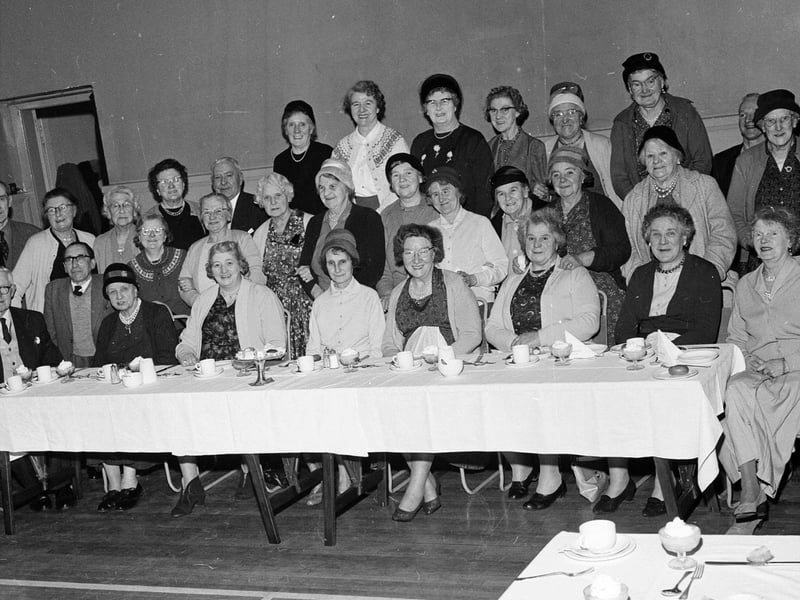
6. Slap up meal
The New Year dinner held by the Wardie and Granton Branch of The OAP Association in Wardie School, Edinburgh, in 1964. | TSPL
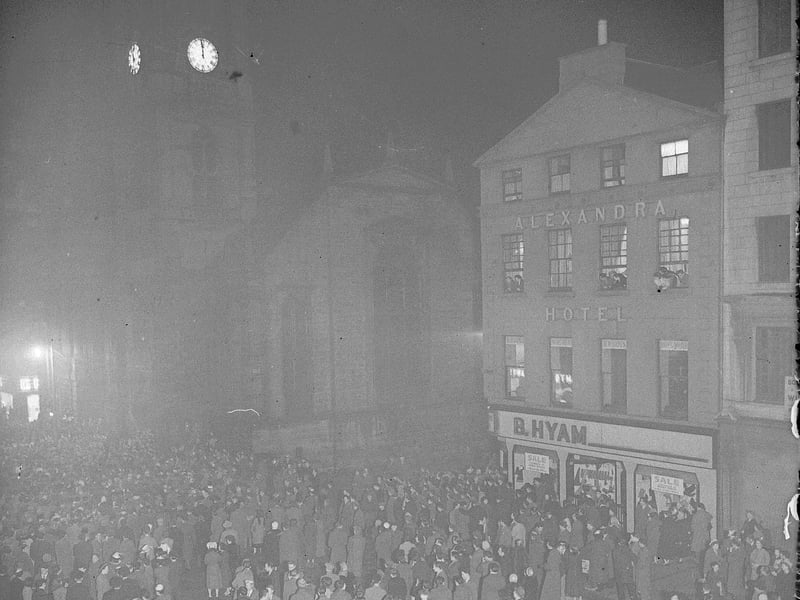
8. Happy Hogmanay
Hogmanay scenes at the Tron Church in Edinburgh with the Alexandra Hotel and B Hyman store in the background in 1956. | TSPL