
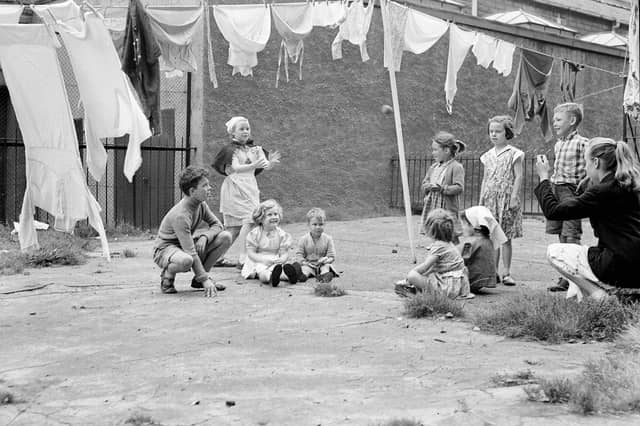

There are two theories as to how Gorgie got its name, with the most popular being that is comes from the Celtic Brythonic language’s words ‘gor gyn’, meaning ‘upper wedge’ – referring to the land between the Water of Leith and the Craiglockhart Hills.
Others think its origin comes from ‘gor cyn’ in the same language, meaning ‘big field’.
The first records of Gorgie date back to the 12th century charters of Holyrood Abbey, who sold it to Sir William Livingston in 1236.
It remained in the hands of the Livingston family for centuries, who lived in the now-demolished Gorgie House on Alexander Drive, until 1799 when the mill-owning Cox family bought the majority of the estate.
They built a large glue factory on the land – later developed to create a new Post Office Telecommunications telephone exchange in 1969.
The development of Gorgie was slow enough that a 10 acre pig farm was in operation until as late as 1885, with Robb’s Loan named after the family who ran the farm through much of the 19th century.
Industrialisation would arrive in the late 19th century when a group of independent whisky blenders established the North British Distillery Company on the former farmland, with Gorgie Railway Station and housing soon following.
Stewart Terrace, Wardlaw Place, Wardlaw Street were all started in 1888, with the tenement flats of Tynecastle Terrace established a decade later.
It was also during this period that the McVitie & Price biscuit factory moved to Gorgie’s Robertson Avenue, with some claiming that it was where the digestive biscuit was first created.
Read more:
Edinburgh Old Town Heritage in Pictures: Here are 28 fascinating photos of the city's historic centre in the 1950s and 1960s - from parades to pubs
Other companies based in the area over the years include Ferranti electronics, pharmaceutical research company T&H Smith Ltd and the Caledonian Brewery.
Most of the industrial works closed between the 1960s and 1980s but regeneration and refurpbished buildings has led to it becoming a cosmopolitan neighbourhoud made up fo residential properties and many small local businesses.
Gorgie City Farm was established by local volunteers on a derelict railway goods yard and remains a favourite with the Capital’s youngsters today.
It is also famously the home of Heart of Midlothian Football Club who played on a pitch on the site of the current Wardlaw Street from 1881, before moving to their current location.
Here are 42 pictures from The Scotsman archive to take you back to the Gorgie of the 1950s and 1960s.
Make sure you don't miss a moment of breaking news from across Scotland by signing up to our free newsletter here.
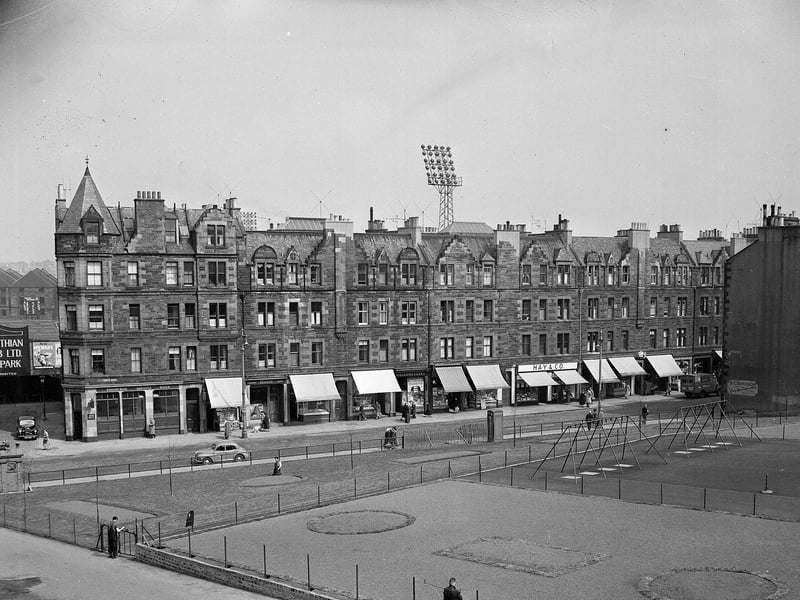
1. Parklife
A newly-created park opposite Tynecastle Park with shops in the background in Gorgie in May 1959. | TSPL
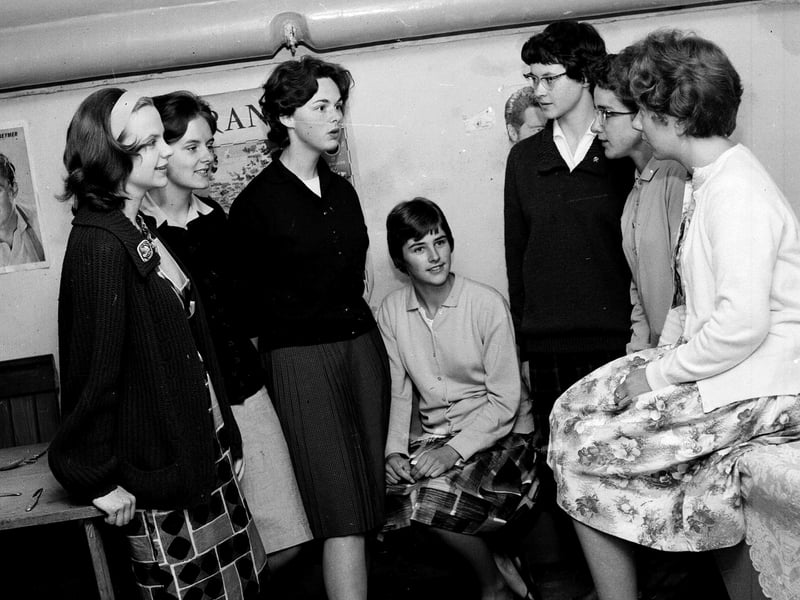
2. Every day is like Sunday
Gorgie Baptist Church's open air Sunday School at Harrison Park in August 1963. | TSPL
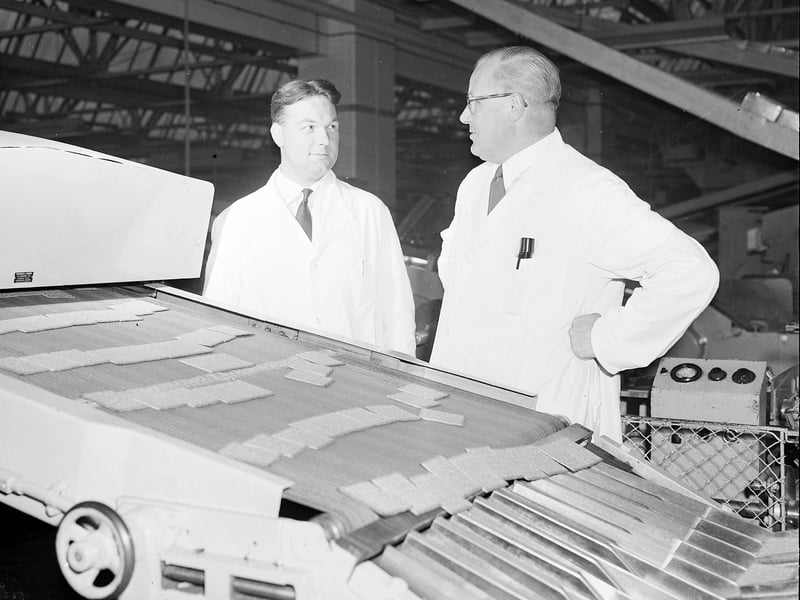
3. Taking the biscuit
Works Manager Mr D Reid and Managing Director Mr A Young - Managing Director at the McVitie and Price cake and biscuit factory in Gorgie in June 1958. | TSPL
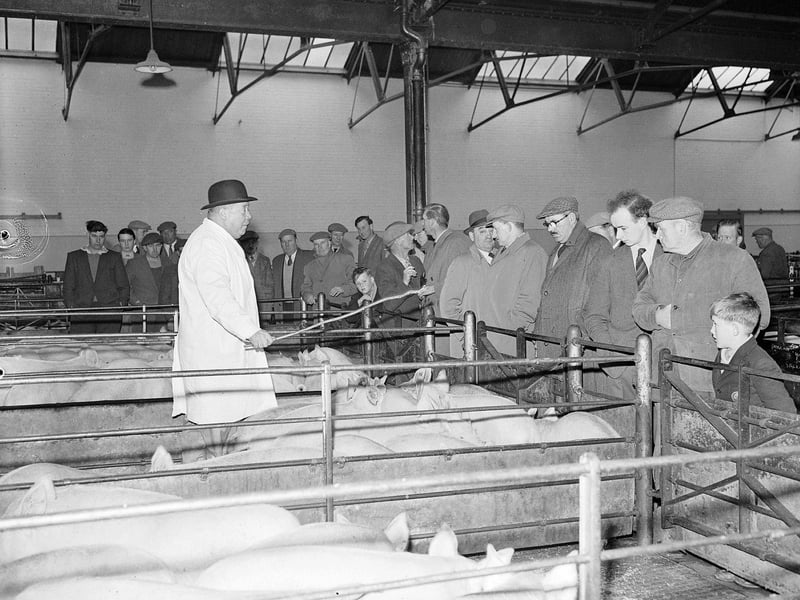
4. Roll up
Mr R Boydon of Messrs Oliver and Sons selling pigs at Gorgie Market in April 1960. | TSPL