
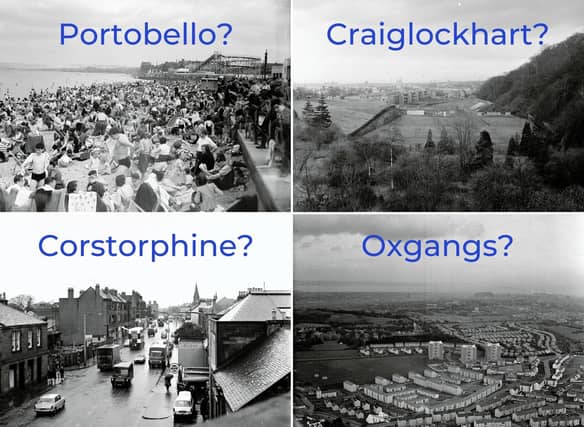

Edinburgh has a fascinating history dating back thousands of years, with evidence of a settlement in the Cramond area from around 8500 BC.
The city’s name comes from ‘Eidyn’, the name for the region in Cumbric – the Brittonic language spoken in the Northern England and Lowland Scotland in the Middle Ages.
At this time a stronghold on Castle Rock was called Din Eidyn, literally meaning ‘the hillfort of Eidyn’. As the Scots language evolved, the Din was replaced by ‘burh’, creating Edinburgh.
And there are plenty more clues to the Capital’s complex past in the names of the areas that make up the city, all of which come from a multitude of languages, backgrounds and people.
Here are 12 of them.
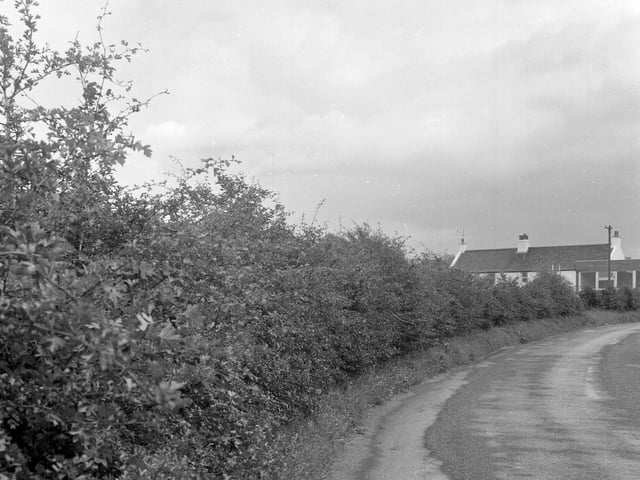
9. Gogar
Historians are split on the etymology of Gogar, a name that is mentioned in documents dating back as far as 1233. Some believe it comes from 'gowk', the Scots word for the cuckoo, while others think it's more likely to come from 'coch', the Brythonic term for red that leant its name to nearby Redheugh (which means 'red ravine'). Photo: Unknown
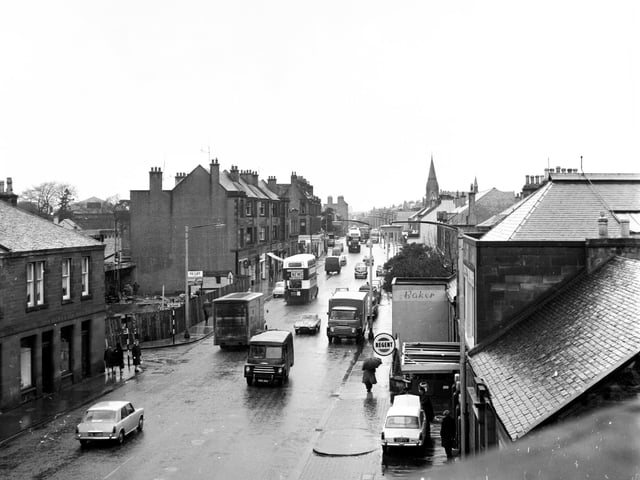
10. Corstorphine
A popular local legend, almost certainly apocryphal, says that a cross of gold was gifted to the local church by a Norman baron, leading to it being called after the 'croix d'or fine', which then became Corstorphine. The more likely etymology comes from the first record of the name, Crostorfin, in 1128 - meaning 'Torfin's crossing'. The identity of 'Torphin' has been lost in the mists of time, but it was a popular name in around 1000 AD, and the village provided an ideal crossing point over the small lochs and marshes that used to dot the land. Photo: George Smith
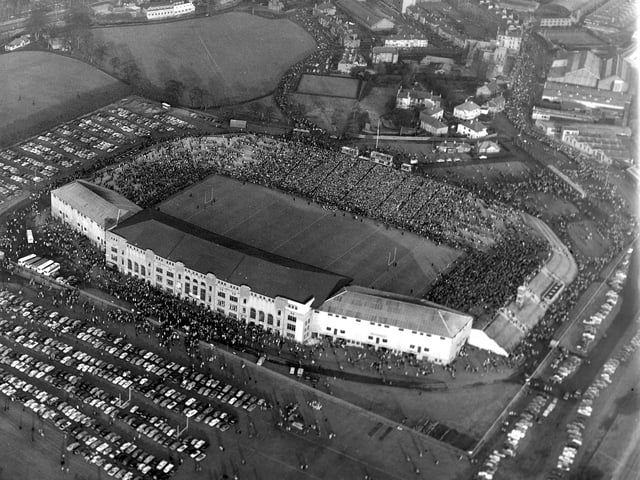
11. Murrayfield
Murrayfield, including the stadium that is the home of Scottish rugby, gets its name from Archibald Murray. The Edinburgh lawyer bought the land from Nisbet of Dean in 1733, when the area was known as Nisbet's Park, and two years later started building his family home which would become known as Murrayfield House. At that point much of the land was rural, but when residential developments arrived in the 19th century the name stuck. Photo: Unknown
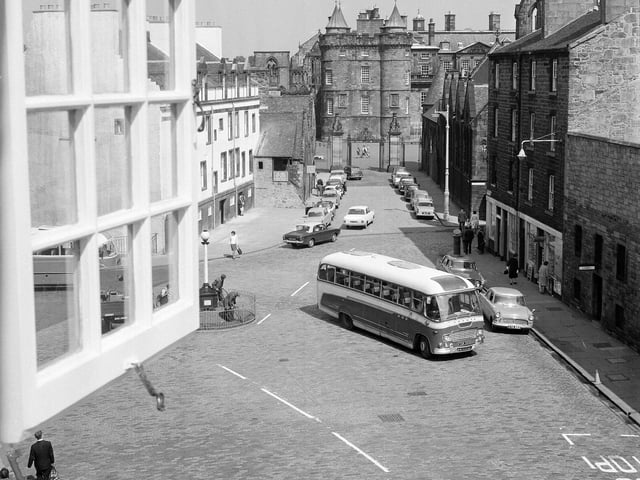
12. Holyrood
Holyrood is named after Holyrood Abbey, also known as the Church of the Holy Rude - Scots for 'Holy Cross'. Photo: Unknown