The history of Colinton dates back to the 11th century, with St Cuthbert's Parish Church founded as the Church of Halis in around 1095 by Elthelred, the third son of Malcolm III and Queen Margaret.
Most of the current church is from the early 20th century, but the structure dates back to 1650.
Nearby is the 16th century Colinton Castle which was home to the Foulis family before being all but destroyed by Oliver Cromwell during his invasion of Scotland.
It was subsequently repaired, but then partially demolished in the late 18th century by artist Alexander Nasmyth who was looking to create a ‘picturesque ruin’.
The remains of the castle can still be seen in the grounds of Merchiston Castle School.
In the 19th century Colinton was home to a number of mills producing textiles, snuff, oats and paper, with a railway station carrying both freight and passengers.
Today it's still possible to see the old mill for Scott’s Porage Oats, while the mansion of Spylaw House, built by snuff merchant James Gillespie, has now been converted into flats.
The railway station continued to carry passengers until 1943, and closed altogether when the carriage of freight was discontinued in 1967.
The early 1900s saw a large expansion of the village, with a number of arts and crafts-style cottages were built by the architect Sir Robert Lorimer and the constructed of Redford Barracks to the east of Colinton.
Read more:
Edinburgh Old Town Heritage in Pictures: Here are 28 fascinating photos of the city's historic centre in the 1950s and 1960s - from parades to pubs
The parish was then amalgamated into Edinburgh on November 1, 1920, although the conservation area is still known by locals as ‘Colinton Village’ to this day and retains a unique feel with a wealth of original buildings and independent speciality shops.
It’s also home to Colinton Dell, which follows the Water of Leith towards Slateford and contains areas of ancient woodland and important habitats for wildlife.
A path on the line of the former railway takes walkers and cyclists past original mill buildings and disused train tunnels.
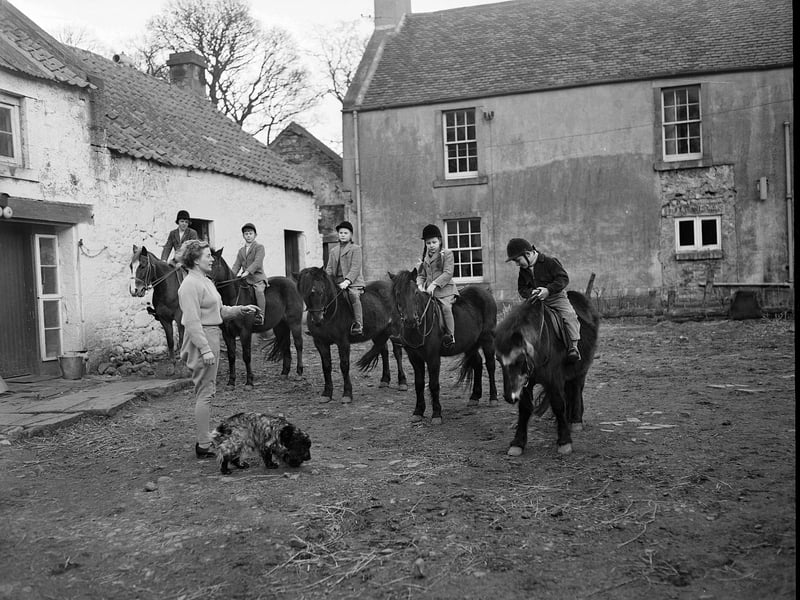
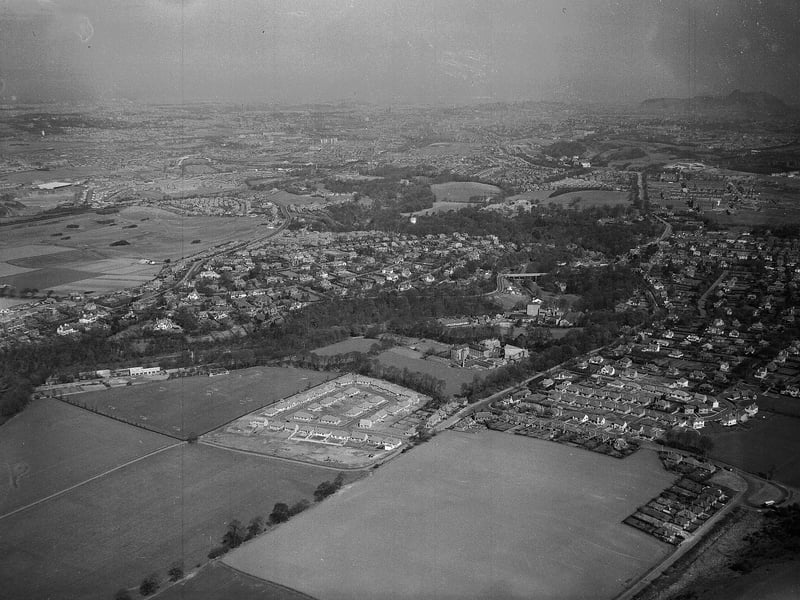
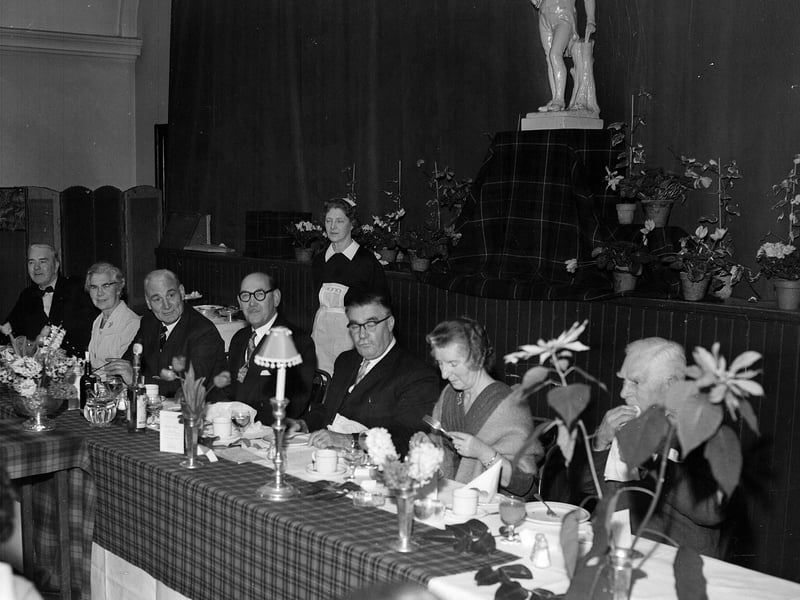
Here are 40 pictures from The Scotsman archive to take you back to how Colinton looked in the 1950s and 1960s - and what its residents were up to.
Make sure you don't miss a moment of breaking news from across Scotland by signing up to our free newsletter here.
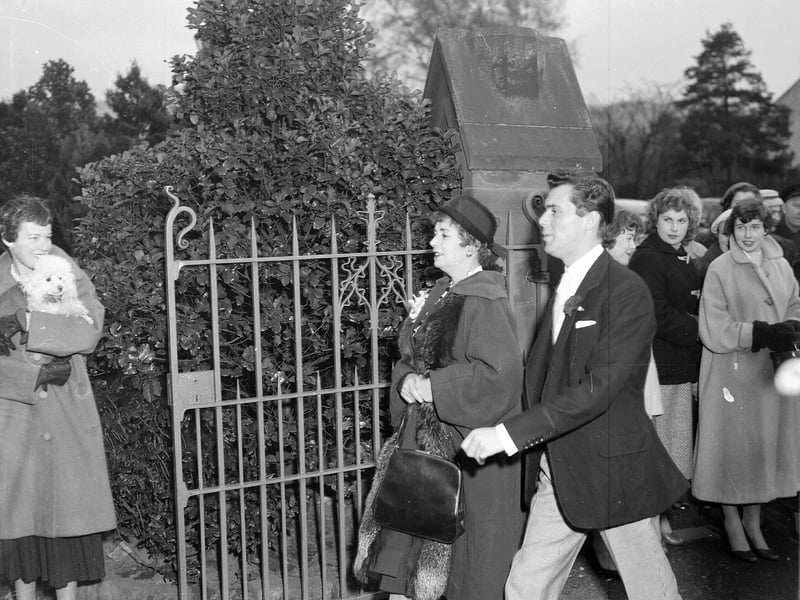
2. Famous face
Actor Dirk Bogarde arrives for his brother's wedding at Colinton in December 1956. | TSPL