
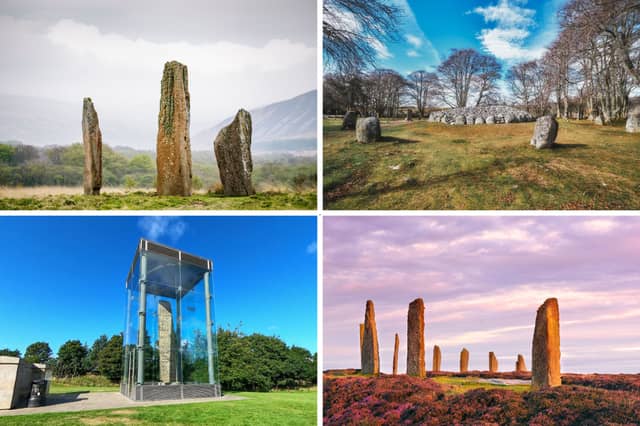

With the Summer Solstice just around the corner on June 21, many are searching for meaningful ways to mark the longest day of the year
While Stonehenge may draw thousands, Scotland’s ancient standing stones offer a more peaceful alternative, set against breathtaking landscapes and with fewer crowds.
Interest in standing stones has only increased in recent years and, tapping into this growing trend, VisitScotland has launched a refreshed guide to the country’s most atmospheric stone circles, helping travellers experience the Solstice in places that feel truly off the beaten path.
Here are eight of the highlights.
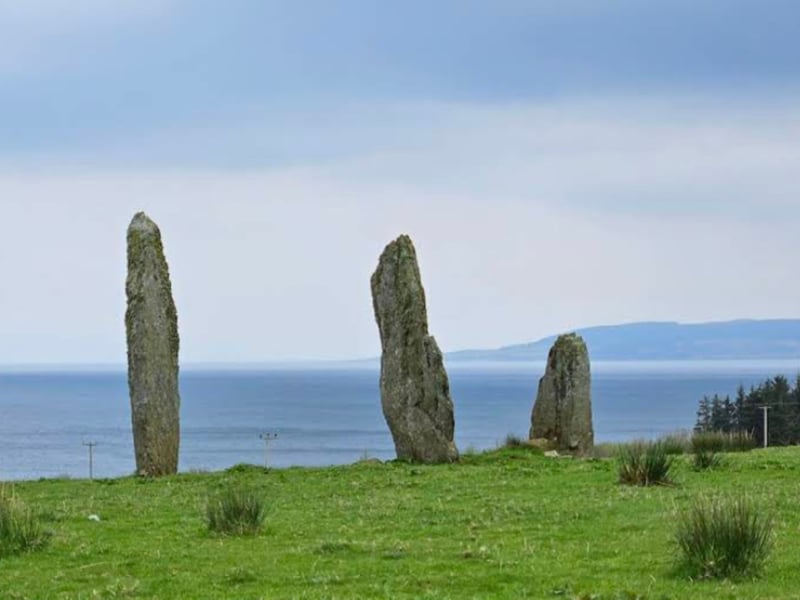
5. Ballochroy Standing Stones, Kintyre Peninsula
Located near the western shore of the Kintyre Peninsula, the Ballochroy stones are thought to be aligned with distant mountain peaks and possibly even midsummer sunsets. The three tall stones sit in a line with views across to the island of Jura, creating a natural observatory that links sky, sea and stone. It’s an ideal place for those seeking a raw, elemental Solstice experience. The stones form part of the scenic Kintyre 66 route, which loops around the peninsula and highlights its natural beauty and heritage. Nearby, you can explore the harbour town of Campbeltown, known for its distilleries and historic waterfront, or take a short ferry to the peaceful island of Gigha, home to white-sand beaches and views across to Islay and Jura. It’s a corner of Scotland where ancient landscapes and island calm come together. | Google Maps
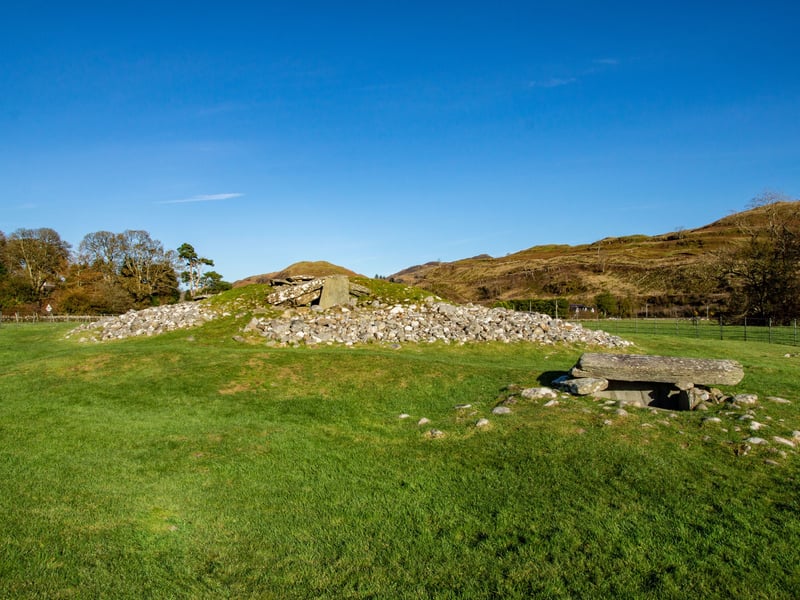
6. Kilmartin Glen, Argyll
The ancient area of Kilmartin Glen in Argyll is home to more than 350 ancient monuments, including both the Nether Largie Standing Stones and the Temple Wood Stone Circle. The Nether Largie Stones are among the most significant prehistoric monuments in Scotland. Believed to be over 5,000 years old, the stones are thought to align with key astronomical events, including the midsummer sunrise. Set against a backdrop of green hills and misty moorland, the site offers an evocative space to experience the Solstice. Temple Wood’s 13 standing stones form one of the best-preserved stone circles in the area. The site’s use began before 3000 BC and continued into the Bronze Age, with evidence of an earlier timber circle predating the stones by nearly 2,000 years. It’s a quietly evocative place that adds even more depth to the glen’s rich prehistoric landscape. To begin your journey, Kilmartin Museum is an essential first stop. Recently redeveloped, the museum provides fascinating context on the area’s archaeological heritage and offers a self-guided trail map linking many of the glen’s key sites by foot. | Canva/Getty Images
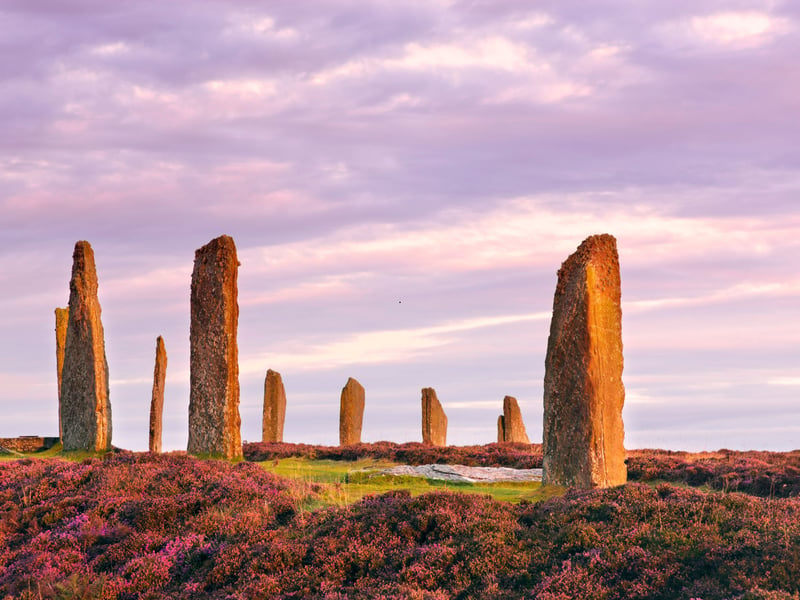
7. Ring of Brodgar, Orkney
Prehistoric stone circles in Scotland don't get much more impressive than the Ring of Brodgar. It comprises 27 stones, although it's thought to have originally been made up of around 60! The site is part of the Heart of Neolithic Orkney UNESCO World Heritage Site and one of several significant Orkney stone circle sites, which also include the Stones of Stenness. The Ring of Brodgar sits between the lochs of Stenness and Harray and are examples of the most northerly stone circles in the UK. Wander amongst the ancient stones and soak up the rich history of the site, from its Neolithic origins to the Norse influence of the Vikings. | Canva/Getty Images
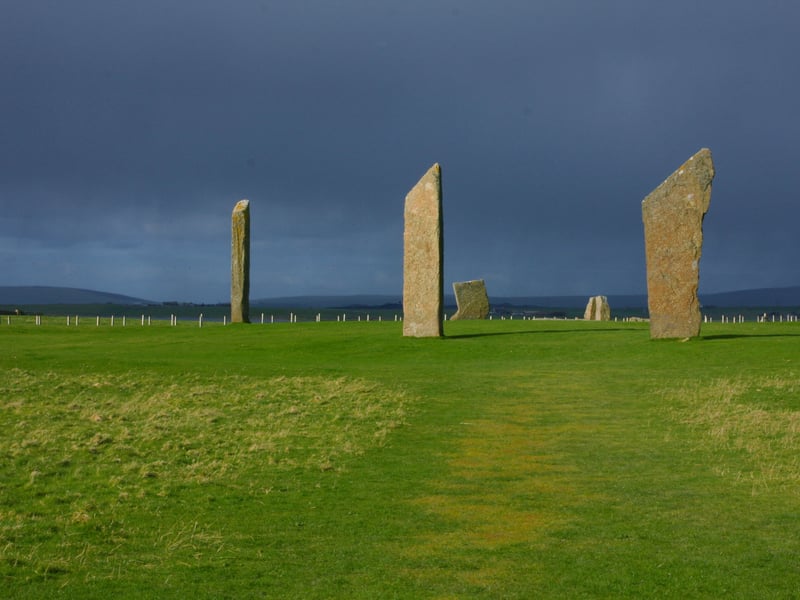
8. Standing Stones of Stenness, Orkney
Travel back in time over 5,000 years and visit the four remaining stones in Stenness, thought to be the earliest henge monument in the British Isles. The ancient ceremonial site is less than a mile away from the Ring of Brodgar, in the Heart of Neolithic Orkney. The epic site has inspired myths and legends throughout history, including Norse rituals and traditions. | Canva/Getty Images