
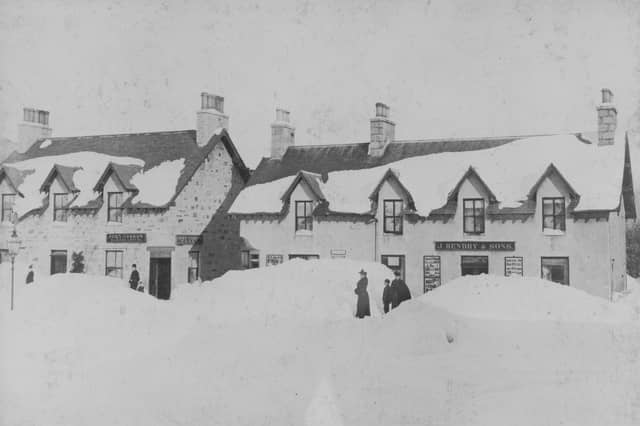

From deep in the archives, a collection of wintry and festive photographs have emerged.
The National Museum of Rural Life in East Kilbride has released a group of rare festive photographs from the Scottish Life Archive.
The photographs, each over 100 years old, include record-breaking snowy scenes, a Father Christmas from Fife and a family portrait by one of Scotland’s earliest woman photographers.
Each one offers a unique glimpse of Scottish Christmases past.
The collection includes an image taken by Lady Henrietta Gilmour who took up photography after the birth of her seventh and last child.
She became a pioneer of the medium, capturing over a thousand images of Scottish country life, including a tender portrait of her children sledging in the grounds of Montrave House, Fife, in 1900.
Also from Fife, Mr Henry Watson posed as a characterful Father Christmas in Burntisland in 1909, wearing a fake beard and long, fur- trimmed coat decorated with dolls and toy animals.
Meanwhile, two extremely snowy scenes capture the extreme winter of 1895, when Braemar in Aberdeenshire captured the lowest ever recorded temperature in the UK at minus 27.2°C.
Dr Ailsa Hutton, Curator of Modern and Rural History at National Museums Scotland, said: “The Scottish Life Archive offers remarkable insight into all aspects of Scottish life, with 300 years of documentary and illustrative material.
“I am thrilled to have an opportunity to shine a light on this rich resource, and Scotland’s fascinating rural history, through these magical festive photographs. Whether it’s a quirky Santa Claus or a record-breaking snowy winter, I hope people enjoy sharing a little bit of Scottish rural history this Christmas.”
Shots of the fishing village of St Monans at a standstill in the snow are also included in the collection.
They were taken by William Easton, whose family ran the fishing burgh’s pharmacy and general store.
Easton, who was born in 1860 and died in 1929, worked in the studio where he invited customers in for sittings and accepted commissions for local events. Ultimately, he sold his images for the buoyant postcard market at the time.
His camera became trained on everyday scenes in the bustling fishing town. Together these images provide a rare insight into life in St Monans at the dawn of the 20th century.
The Scottish Life Archive was established in 1959 as a way of preserving and documenting material culture and histories relating to rural life in Scotland.
In later years it expanded to include evidence of not only country life, but maritime, urban and industrial life. It contains a large collection of photographic negatives, slides and prints.
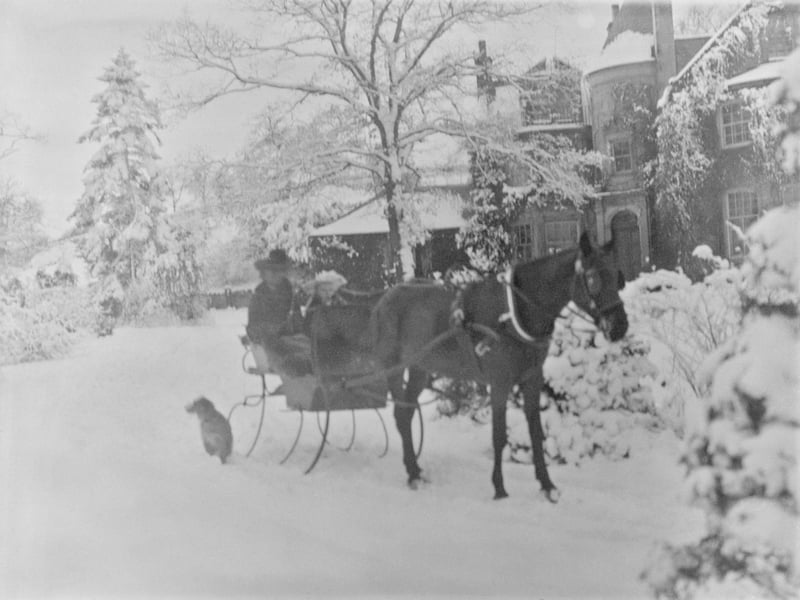
5. Travel in winter style
Making the most of the winty conditions with a horse-drawn sledge in Balerno in 1903. | National Museums Scotland
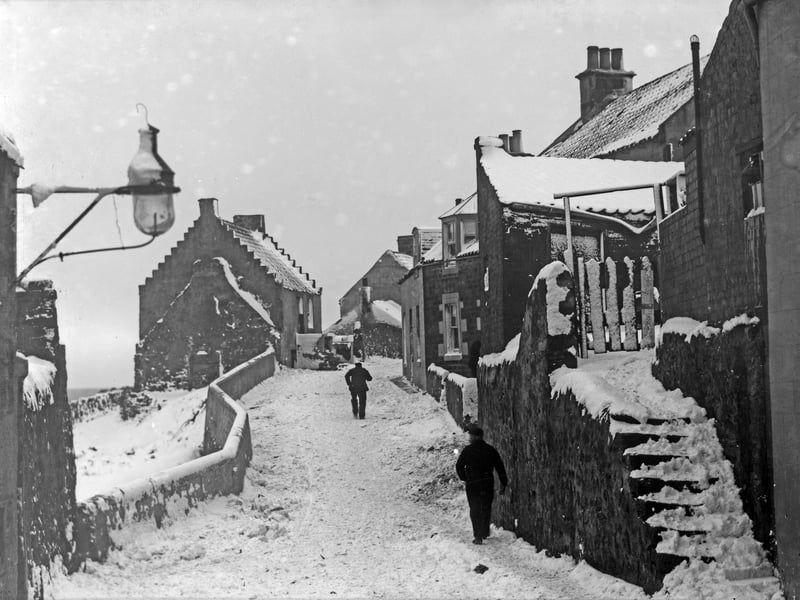
6. Cold on the coast
Winter at St Monans in Fife in the early 1900s, captured by William Easton. The photographer's family ran the fishing burgh’s pharmacy and general store and his photos were turned into early postcards of the village. | The William Easton Collection Photo: The William Easton Collection
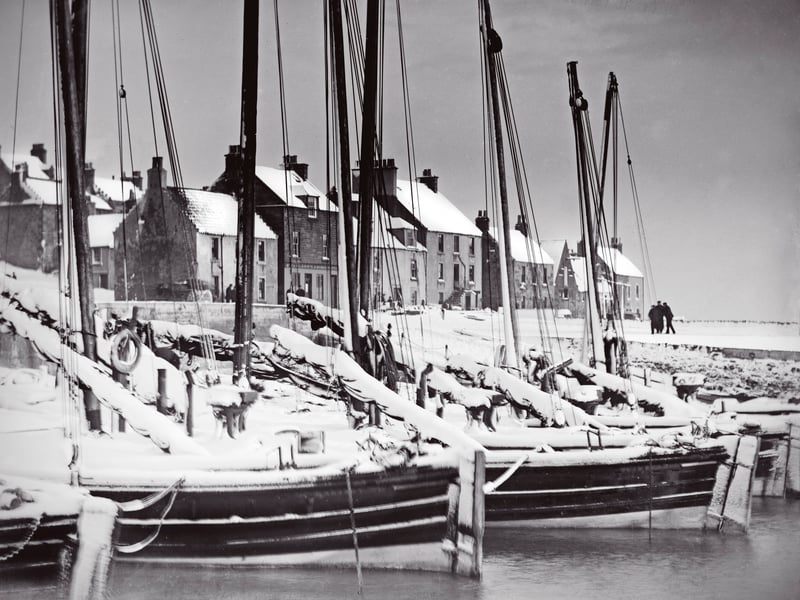
7. No fish today
Snow stops sailing at St Monans in Fife in the early 1900s as heavy falls freeze the boats in the harbour. | The William Easton Collection Photo: William Easton Collection
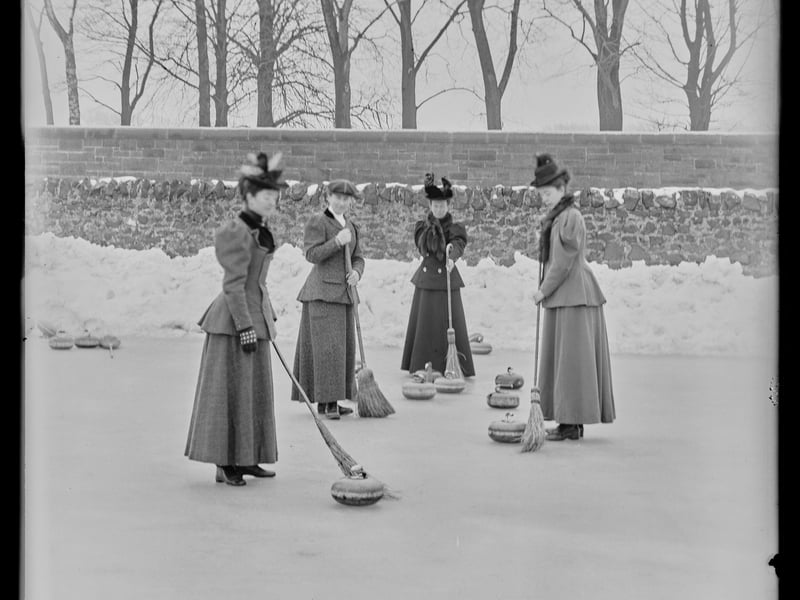
8. The height of winter fashion
The highest of standards were met by these ladies who enjoyed an afternoon on the ice for a fashionable curling meet. The location and date are unknown. | National Museums Scotland