
'Stuck in purgatory': Scottish neurological patients and carers are 'falling through the cracks'
Scottish ministers are being told they must invest more in neurology services as so many patients and carers do not feel supported by the healthcare system.

Patients with neurological conditions and their carers are “falling between the cracks” and do not feel supported by Scotland’s healthcare system, a major report has claimed.
The report by the Neurological Alliance of Scotland says around two thirds of adults living with a neurological condition find it difficult to cope with life, and many say their condition has an impact on their mental health.
Scottish ministers are now being told to urgently invest in neurology services across the country to reduce mental health distress and rising pressure on the NHS.
Donald MacPhee, 65, lives with dystonia, a rare and often misunderstood brain condition. He said the “frustrating” lack of support he receives has left him “stuck in purgatory”.
The retired Gaelic development officer from Bishopton in Renfrewshire has spasmodic torticollis, which causes the muscles in his neck to tighten and spasm without warning, forcing his head to twist painfully to one side.
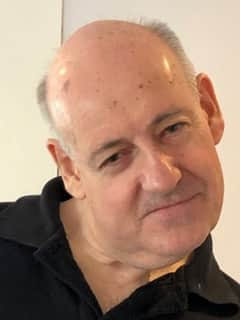

He first noticed his symptoms when he was 23 and working as a language teacher in Spain. What started off as a slight neck tic soon made everyday tasks like eating, driving and socialising difficult. He receives regular botulinum injections and physiotherapy, but his condition has worsened in recent years.
Mr MacPhee said: “People don’t realise how much it affects you. It’s not life-threatening, but it is life-changing.
“Things like eating or driving become hard, and you lose confidence to go out. Even simple tasks around the house are quite difficult. Fatigue, sleep problems and the way you’re breathing, and your throat area can be affected too, so that makes it awkward for me to speak sometimes.
"The lack of treatment options, even in neurological centres, is striking. All have been professional and caring, but the lack of knowledge of dystonia, especially at GP level, was clear. It has improved now, but that’s because they’ve learned it all from me.”
Mr MacPhee added: “There’s not enough investment in neurology. Neurological conditions affect more people than ever, yet funding and resources are limited. It’s frustrating because better support could help people live healthier, more productive lives. It’s like being stuck in purgatory.
“You want answers, but you know they’re not there yet. It’s tough, but you have to live with it day-to-day.”
Around one million Scots live with a neurological condition. Some of the most common include cerebral palsy, Parkinson’s disease, dementia and epilepsy. In total there are around 600 different conditions, many of which are rare and complex.
The report surveyed 1,012 Scots, including a mix of adults, children and carers. Sixty-four per cent said they were not coping well, and 87 per cent said their condition impacted their mental health. This has increased from 80 per cent in 2022.
A further 53 per cent said they did not get enough support and 46 per cent said the healthcare system did not meet their needs.
On top of this, 29 per cent said they were not managing “at all” financially. The economic burden of a neurological condition is estimated to cost the UK around £96 billion annually.
Alice Struthers, programme director with the Neurological Alliance of Scotland, said: “Our findings show that health and social care services are not meeting people’s needs.

“Many find day-to-day life consistently challenging, with symptoms affecting all areas of their lives, from social and recreational activities to work, study, finances and maintaining relationships. Many people affected by neurological conditions, particularly those with conditions known as ‘multi-system disorders’, still fall between the cracks and are having to cope while their needs go unmet.
“While most neurological conditions cannot be prevented, a renewed focus on tackling some of these health inequalities, in addition to healthy lifestyle choices, will have a positive impact on everyone in Scotland.
“The time has come to prioritise investment into building the neurological workforce and increasing service delivery. If not now, then when?”
The report also found 82 per cent of carers said the children in their care regularly experience frustration and anger, and they feel they are at “breaking point”. The research also found 57 per cent of carers are providing more than 50 hours of unpaid care every week, leading to significant levels of responsibility and exhaustion.
Becky Duff, Scottish director at the Carers’ Trust, said: “We are seeing an increase in both the numbers of people caring and the hours of unpaid care being provided.

“We need to act now to ensure that those living with neurological conditions and those caring are properly supported. The findings published in this report join a body of evidence that demonstrates that there is a huge gap between the rights of unpaid carers and their daily reality.
“Those living with neurological conditions and those caring for them are often invisible, and this report today ensures that their voices and experiences are heard.”
The report recommends targeted investment to strengthen neurology services, access to a named care co-ordinator to provide consistent and specialist support, and training on the complexities of neurological conditions for social care workers.
It says these three actions will lead to faster diagnoses, reduced anxiety and mental health distress caused by long waiting times, and fewer emergency hospital admissions, which will reduce pressure on the NHS.
Scottish Labour said the report must serve as a warning to the Scottish Government.
Jackie Baillie, the party’s health spokeswoman, said: “This damning report shows far too many people with neurological disorders are being let down on the SNP’s watch. Ministers must listen to these warnings from people suffering the consequences of SNP failure and act to give them the standard of support they deserve.”
A spokeswoman for the Scottish Government said: “It is vital that people with neurological conditions feel properly supported and involved in their care.
“We are actively exploring ways to improve mental health support for people affected by long-term physical health conditions, and we have spent £3.2 million on improving the quality and access to care for people with neurological conditions across the country.
“We also recognise the incredible contribution made by Scotland’s unpaid carers, as well as the pressures many are under.
“We are continuing to invest £88.4m per year to support unpaid carers through local authority Carers Act funding.”
Comments
Want to join the conversation? Please or to comment on this article.