
New teeth, new you? Double Take Dental looks ahead to the future of dentistry
Innovative treatment on the horizon could reshape dentistry – and one Utah-based clinic is already preparing for the future.
A pioneering medical breakthrough that could enable natural human tooth regrowth is making headlines globally – and Utah’s Double Take Dental is paying close attention.
Scientists in Japan have developed a novel drug that targets the USAG-1 protein, known to inhibit tooth development. By suppressing this protein, researchers have successfully stimulated the growth of new teeth in animal models. Human clinical trials are now underway, with the first patient trials scheduled to begin this year. Experts suggest that if the trials succeed, the first commercially available treatments could be available as early as 2030.
While that future unfolds, progressive dental clinics like Double Take Dental are already educating their patients on the potential of regenerative care, underlining their commitment to innovation in oral health.
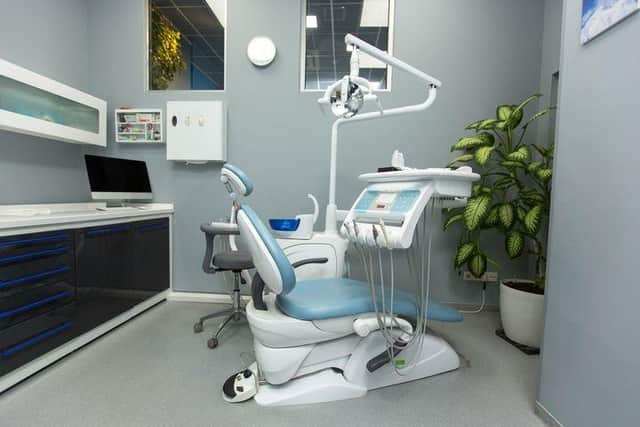

A Regenerative Revolution in Dentistry
Unlike traditional dental implants, which involve surgically inserting artificial structures, this new approach taps into the body’s own stem cells to regenerate actual teeth. Dental pulp stem cells (DPSCs), combined with regenerative compounds, could soon enable the human body to “reboot” tooth development — an ability previously believed lost after childhood.
Dr. Katsu Takahashi, the lead researcher behind the Japanese trials, described the upcoming treatment as a “game changer,” capable of supporting people with congenital tooth loss, traumatic dental injuries, and potentially those who have lost teeth due to age or decay.
“This isn’t science fiction anymore,” said Takahashi in an interview. “We’re finally entering a period where the natural regrowth of teeth is a real and viable therapeutic option.”
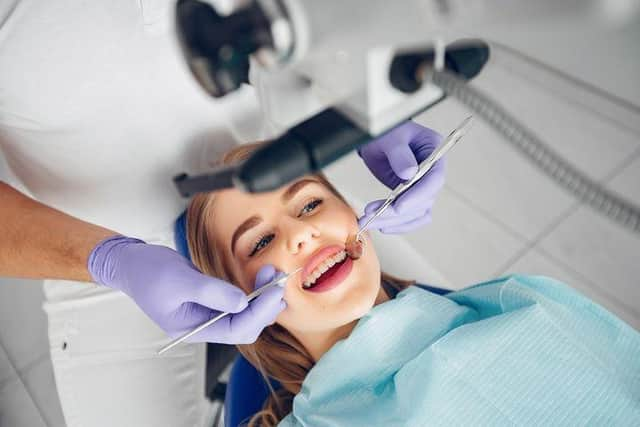
What It Means for Practices Like Double Take Dental
The impact of tooth regeneration on the dental industry could be substantial. Preventative measures will still play a central role in dental care, but regenerative solutions could reduce the need for invasive treatments such as root canals, crowns, and prosthetics.
Double Take Dental, located in Orem, Utah, has already integrated advanced diagnostics and minimally invasive techniques into its services. The clinic sees this new frontier as an opportunity to combine traditional values in patient care with the possibilities that medical science is unlocking.
“Our patients expect world-class care, and that includes staying informed and ahead of the curve,” said a spokesperson for the clinic. “Tooth regeneration isn’t something we offer today — but it’s something we’re preparing to embrace when the time comes.”
Societal and Ethical Considerations
As with any medical breakthrough, experts have raised concerns about equitable access. Will treatments be affordable, or will they initially cater to wealthier patients? Insurance providers may be slow to adapt, while regulators weigh how to classify regenerated teeth: are they medical treatment or enhancement?
There are also broader cultural implications. Could regrown teeth — because they’re natural — become status symbols, replacing today’s cosmetic veneers? Will patients opt for “upgrades” even if their existing teeth are healthy?
The ethical debate is still evolving. However, many in the field agree that transparent regulation and public education will be critical to ensure this innovation benefits all.
A Glimpse at the Future of Regenerative Medicine
Beyond dentistry, regenerative techniques are advancing rapidly across healthcare. From liver and skin tissue regrowth to early studies on neural repair, the principle of using a patient’s own biology to heal and rebuild is no longer theoretical.
At the intersection of this future sits artificial intelligence and bioprinting. AI can help model a patient’s ideal tooth shape or bite alignment, while 3D bioprinters could produce scaffold structures that encourage natural growth.
For dental professionals like those at Double Take Dental, staying abreast of these changes is essential. While current services still include preventative care, fillings, and restorations, patients are increasingly asking about what's coming next.
For Now, It’s Still About Prevention
Until tooth regeneration becomes commercially available — possibly by the end of the decade — the best approach remains regular dental hygiene, professional cleanings, and early intervention.
“We encourage everyone to keep brushing, flossing, and visiting their dentist,” the team at Double Take Dental added. “The future may hold incredible solutions, but the fundamentals of good oral care are just as important today.”
For more information about Double Take Dental’s services or to schedule a consultation, visit doubletakedental.com.
This article contains information based on currently available medical research and does not constitute health advice or a guarantee of future clinical outcomes. For personal health queries, consult your healthcare provider. The statements and quotes attributed to individuals in this article are drawn from verified public interviews and published sources as of May 2025.