
"We need help" says group behind vital hub at the centre of Skye community for a decade
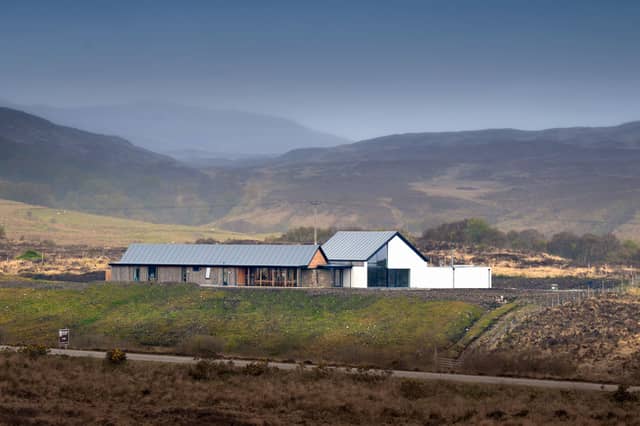

Norman Gillies said the project faces “a constant struggle” to run the popular community facility without paid management in post
The group behind a vital community hub in Skye say it is being kept alive by “over worked volunteers” as they call for more funding support to help it “thrive rather than just survive” on its tenth anniversary.
It has been a decade since the first sod was turned to build the community centre An Crubh on the scenic Sleat peninsula in south Skye.
The Gaelic name translates as ‘hub’ or ‘centre’ which suits well given the multi-purpose building sits in one of the strongest remaining Gaelic-speaking communities in Scotland.
Norman Gillies, chair of Camuscross and Duisdale Initiative, which supervises the An Crubh centre, said it has been popular and one of the best examples of its kind.
It is billed as a “Charmingly built, high-spec community asset with quality food in a comfortable cafe, a well-stocked shop full of rural essentials, and a classy hall for gatherings of all sorts from ceilidhs to curry nights”.
In the decade since it has been operational, the centre has bonded with locals and visitors alike enjoying community backing since it was an ambitious aspiration back in 2011.
But rising costs and unpredictable visitor numbers are causing problems for facilities like An Crubh.
Now supporters of the project say new thinking and a new support system is urgently needed help the community initiative “thrive rather than just survive”.
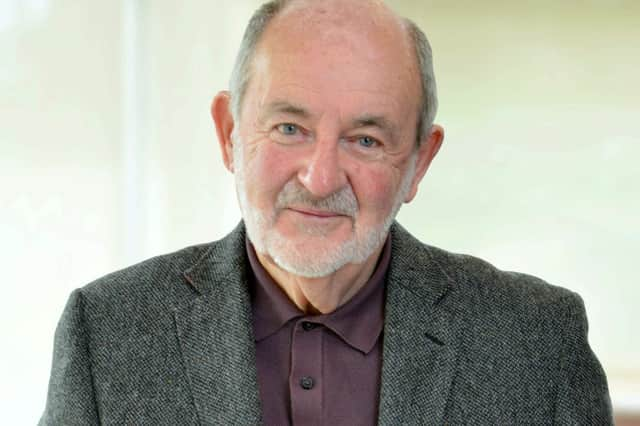
Mr Gillies has been involved in multiple community developments on the west coast, including overseeing the huge expansion of the national Gaidhlig College at Sabhal Mor Ostaig seven miles down the Sleat road from An Crubh.
He has praised the huge volunteer support An Crubh has enjoyed: from initial ‘pipe-dream’ planning conversations; to a challenging fundraising campaign; the first spadeful turned in 2016; and then running the centre for its first decade.
“The community has been truly remarkable and volunteers have enabled us to survive thus far”, he said.
“But it is a constant struggle and we find ourselves at this moment in time without paid management in post. That means that the all the admin and finance stuff is done by volunteer directors who should be overseeing the people in the management posts rather than doing it all themselves.
“It is not fair on overworked volunteers and you then have volunteer fatigue. People tend to last for so long and then they fall off the team as they are tired.”
Mr Gillies says community groups like An Crubh need ongoing financial help to give them time to identify and develop income strands in each community.
He added: “We have to strengthen the core incomes and we have to diversify our income streams and that is a difficult trick to perform.”
The loss of European funding has introduced special difficulties for rural projects like An Crubh, he maintains: “Funding from Brussels was a god-send for many projects in the Highlands and Islands. That money is no longer there and no organisation has really replaced that in any meaningful way.”
Mr Gillies said the diminished role of Highlands and Islands Enterprise and its predecessor The Highlands and Islands Development Board have had an impact on the project adding: “HIE and the HIDB were so instrumental in supporting these projects. But HIE has now lost somewhere around three quarters of what used to be a workable budget. It’s much easier to cut than to reinstate and it’s very unlikely we will get that access to funding back again.”
He argues there is a need for a one-stop shop for community support and said: “We used to have that and community groups need something like that again.
“There are various pots of money now but they are all competitive and they often don’t recognise local needs. We end up competing with other community enterprises that face the same problems as we do.“
Mr Gillies called for a change in policy by central government and said: “We need a new model for funding rural communities. Rural communities are especially vulnerable and are often on the edge of services and facilities. We need to find new ways to create wealth for these communities – this should be led by communities but this needs seed funding and support structures.
“Local communities need special attention. You can’t just whip the legs from under them by coming out of the EU, causing a crisis in the hospitality industry and removing their funding stream.”
He suggested that community access to the renewables boom could be part of the answer.
Looking to ‘trailblazers’ with community turbine developments like Gigha and Uist and “especially Lewis would be the ideal - we’d want to replicate if you have the capacity to do that. But it’s a difficult trick to pull off”, he said.
“Maybe what people like us should be thinking about, rather than taking crumbs that fall off the big developers’ tables, is to actually buy shares in the developments that are going to happen in the near future – two or three years hence …..not ten years hence.”
But shares have to be bought and Mr Gillies concedes the communities would have to persuade the money market that community shares are a good lending risk.
The Scottish Government have committed to introducing a ScotWind Wealth Fund, and a funding vehicle such as this could be vital for seed funding shared ownership opportunities, the group say.
Local community groups may be too small to change the system on their own but Mr Gillies thinks communities and organisations such as Community Land Scotland (CLS) could put pressure on the Scottish Government and GB Energy to combine local empowerment and national oversight in a way that communities would truly benefit from the renewables and generate a reliable income.
He said: “I know right now there are people from various local communities getting together as bigger groups to try and get a greater benefit from the renewables boom.
“Ten years on we are really proud of An Crubh and we do a lot of great things for our community. We need to continue to encourage volunteers and we need to encourage the community to support the business.
“But like many other projects, there needs to be a better system of on-going support to ensure the community run facilities thrive rather than just survive.”
Dr Josh Doble, Community Land Scotlands’ Director of Policy and Advocacy said: “Congratulations to An Crubh in its tenth year of business. They have done a fantastic job and the hard work of managers and volunteers has clearly brought great benefits to the people of Sleat.
“Norman rightly identifies that support from public bodies and funding are pressing challenges in today’s environment, exacerbated by tighter budgets and shut off funding streams.
“There are undoubtedly huge opportunities within renewables and communities around Scotland should be owning more of these developments, both outright and with shared ownership.
“We will continue to advocate for a Scottish Community Wealth Fund to provide the kind of seed funding Norman raises and to make sure that the vital work of local regeneration that our communities are properly resourced and recognised.”
Comments
Want to join the conversation? Please or to comment on this article.