
Visitors warned to stop helping themselves to peat on Scottish islands

Peat cutting has been a traditional practice for centuries, with many crofters still doing it to this day.
Visitors have been asked to stop taking peat from land on the Outer Hebrides where it can be used as fuel in crofting communities.
The warning comes from Lewis and Harris Trail, an organisation dedicated to promoting trails on the islands, after several posts were shared on social media picturing people helping themselves to peat.
Crofters traditionally cut peat for fuel, a practice that has been a part of their way of life for centuries, with many still using the same method today.
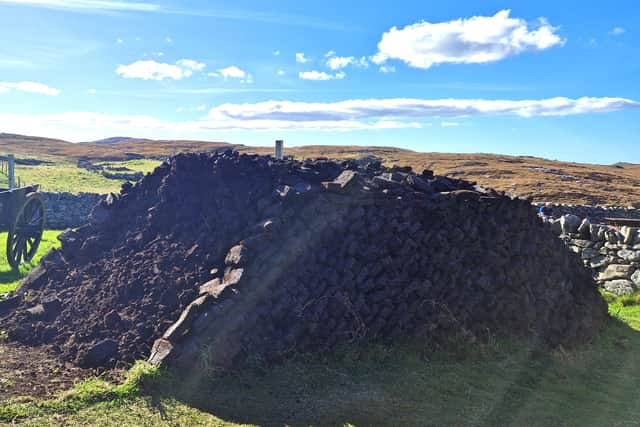

Lewis and Harris Trail posted on its Facebook group, where it has 25,000 members, warning it is not possible to harvest the plant matter without permission given certain peat cutting rights.
The post said: “There will be someone on the island who has paid for the right to cut peat there, so the peat belongs to them and is their fuel for the winter months.
“Yes, you can ask permission, but finding the person who has rented the bank can be a difficult process as they are not always located nearby.”
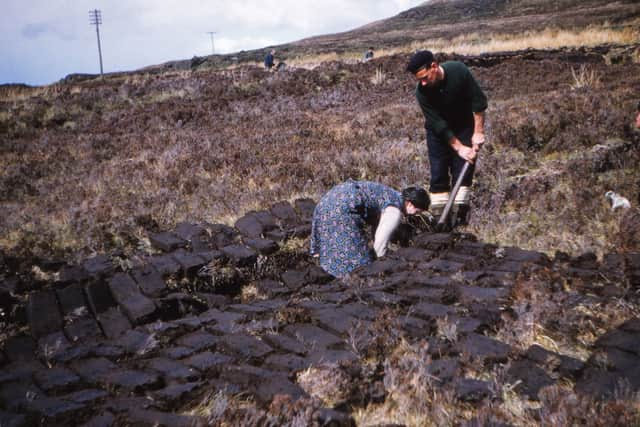
The message goes on to urge people to seek permission before cutting the peat.
It also recommends visitors who wish to smell a peat fire to visit blackhouses, examples of which can be seen in Lewis’s Gearrannan Blackhouse Village.
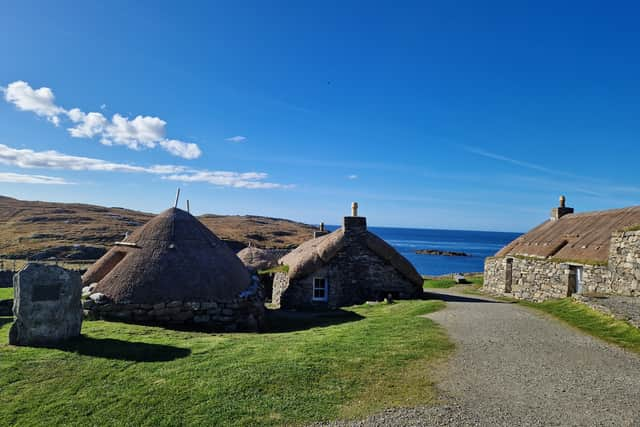
Peat cutting rights are typically associated with crofting communities. While crofters are generally free to harvest peat for their own use on their crofts, reports suggest others may need to obtain permission or have a specific arrangement with the landowner or community.
Wildlife and conservation groups have been lobbying the government to introduce a ban on selling peat in horticulture where it is used as compost to reduce extraction to protect the resource. It is widely documented that peatland is vital for storing vast amounts of carbon.
According to NatureScot, the Scottish Government’s nature agency, disturbing peatland, for example draining water from it, can cause the peat to dry. This results in the vegetation decomposing much faster – and the release of carbon.
Similarly, the agency said burning peat – just as burning a tree – has the potential to release hundreds of years of stored carbon back into the atmosphere.
Scottish Government figures say Scottish peatlands store 1.7 billion tonnes of carbon - the equivalent to 140 years’ worth of Scotland’s total annual greenhouse gas emissions.
Comments
Want to join the conversation? Please or to comment on this article.