
'The right decision for Speyside': Unanimous vote rejects hydrogen plant on river bank

The plans for the Speyside hydrogen plant had received hundreds of objections
A community has let out a sigh of relief after controversial plans for a hydrogen plant on the banks of a river in Speyside were unanimously turned down.
Moray Council rejected the application for the Scottish Government-backed development near Ballindalloch on the River Spey.
Councillors said the impact on locals and biodiversity, including in the Spey, had not been properly addressed.
Chair of the Speyside Community Council Marion Ross said: “It was absolutely planned for the wrong place.
“The River Spey is extremely low at the moment and Atlantic salmon and fresh water mussels are at critical levels.
“Any pollution event would just wipe them out completely.”
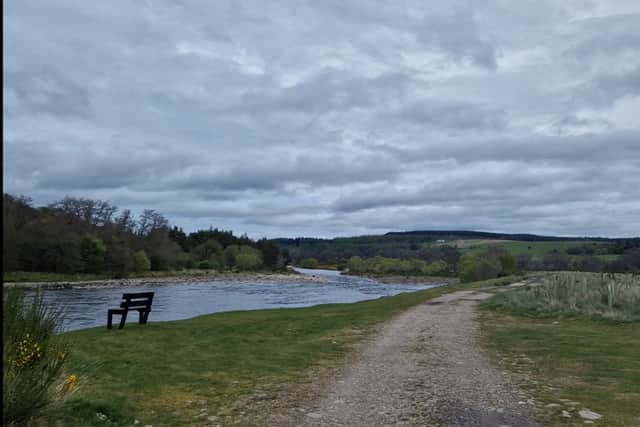

Almost 400 objections had been made to the proposal, which has been supported by a £3.1 million loan.
Many of the comments raised about the hydrogen plant, in which renewable electricity is used to extract hydrogen from water to produce “clean” hydrogen, spoke about the impact water extraction could have on fish populations, the appearance of the plant and the increase in heavy duty lorries going to and from the site.
The plans said the site would need to extract some 500 cubic metres of water - 500,000 litres - from the river per day to turn to hydrogen on a daily basis. Fish populations in rivers are struggling, with the Atlantic salmon listed as endangered.
Developer Storegga said the location was the right place for a hydrogen plant since it was near distilleries who might want to use the fuel to cut carbon emissions.
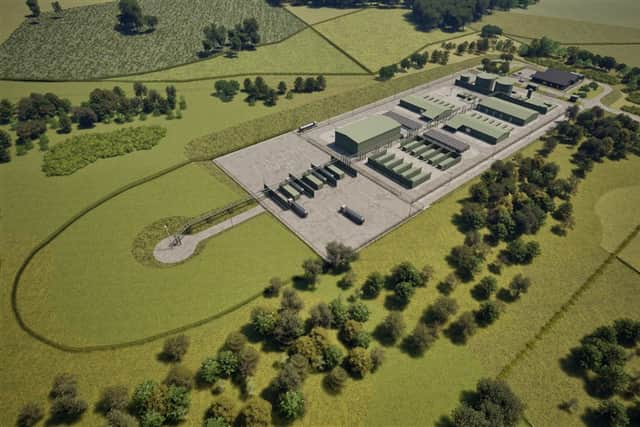
The company’s Speyside hydrogen manager Christina Smitton reportedly said the plant would abstract 0.05 per cent of the Spey’s flow, the equivalent of “a drop of water inside a two litre bottle”. However, after a four-hour debate, councillors rejected the plans.
A spokesperson for Storegga said: “We are disappointed by Moray Council’s decision not to grant consent for the Speyside Hydrogen project, but we respect the rigour of Scotland’s planning process.
“We believe the project aligns with National Planning Framework 4, the Scottish Government’s Hydrogen Action Plan, and Moray Council’s Hydrogen Strategy, supporting sustainable economic growth and reducing industrial emissions in the region. We will review the decision carefully and are taking time to consider our next steps.”
Storegga had hoped the site would become a regional “hydrogen hub”, adding to Scotland’s 13 other planned hubs across the country.
The company’s proposal was to generate hydrogen by taking water from the Spey and deliver it to nearby distilleries for use in the whisky distilling process.
Speyside is often referred to as “the heart of whisky country" because it has the highest concentration of distilleries in Scotland. However, Glenfarclas distillery, next door to the proposed site, strongly opposed the chosen location.
The distillery’s production manager, Callum Fraser, said there was a place for hydrogen, but “not in the middle of Speyside”.
Commenting on the council’s vote, he said: “We are happy with the decision. It’s the right decision for the community and for the local area. It’s the right decision for Speyside.”
Several whisky distilleries had to shut down production either earlier than normal or more frequently over the summer months given how low the water levels on the River Spey were.
The River Spey is one of eight river catchments in Scotland experiencing “moderate scarcity” - the second highest alert in Scotland - as water levels fall in the warm conditions.
The low river water levels were recorded following months of lower than average rainfall. The North East was the worst affected, according to the Scottish Environment Protection Agency (Sepa).
Properties in the Ballindalloch area report running out of water each year due to the water scarcity issues.
Comments
Want to join the conversation? Please or to comment on this article.