
Power of the pine - study shows 1,500 species depend on Scots conifer

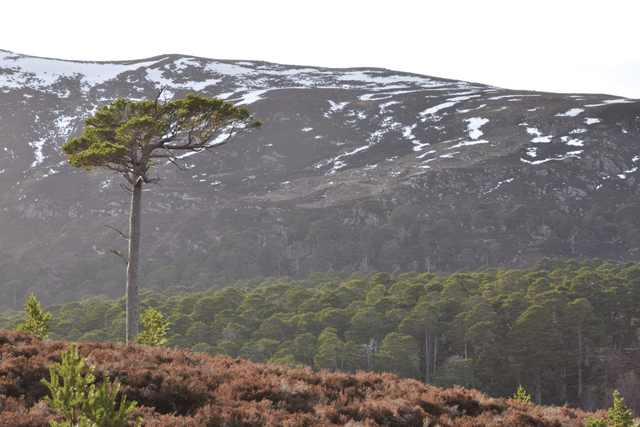
The native Scottish conifer supports more then 1,500 species, according to new figures.
New research on Scots pine has thrown the need for a diverse number of broadleaves and conifers to support biodiversity into question.
A recent study led by the James Hutton Institute (JHI) looked into whether an increased number of different tree species would improve resilience of biodiversity and ecosystem functioning in forests made up of the Scottish conifer.
The research found the impressive power of the pine when it comes to supporting wildlife. According to the data, some 23 different tree species would be needed to support just 41 per cent of the biodiversity that Scots pine supports.
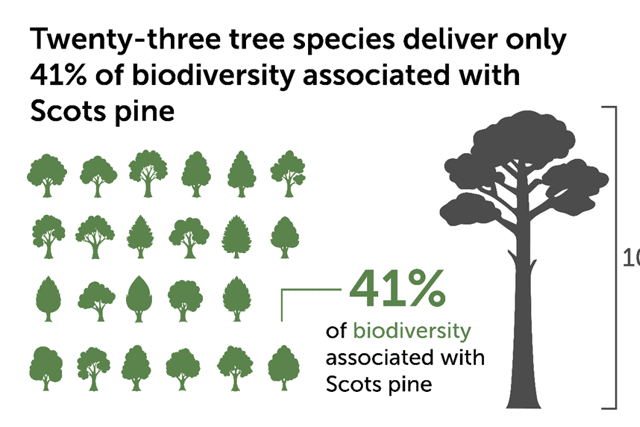

The figures showed a total of 1,589 species within the UK use the Scottish native conifer for either living or feeding on – 17 birds, 130 bryophytes, 539 fungi, 420 invertebrates, 468 lichens and 15 mammals.
Of these, 199 fungi, 16 invertebrates and 12 lichens are obligates, meaning they depend exclusively on Scots pine for survival, the study showed.
The researchers then compared the list of non-obligate species against 47 other tree species to see what percentage of the Scots pine-associated biodiversity they could support.
Their findings showed that the most promising alternative species were sessile oak, European beech, and silver birch which all supported 15 per cent of Scots pine-associated biodiversity. Meanwhile, 11 per cent of the species supported by Scots pine could survive on only one of the 47 alternative tree species assessed.
Researchers also found that diversifying with native broad-leaved trees could speed up nutrient cycling in Scot’s pine woodlands, while diversifying with other conifers would maintain a similar rate.
They said the study demonstrates that tree species diversification will only provide improved resilience for a fraction of the biodiversity associated with the UK’s Scots pine forests and underlines the importance of protecting this vital species and the ecosystems it supports.
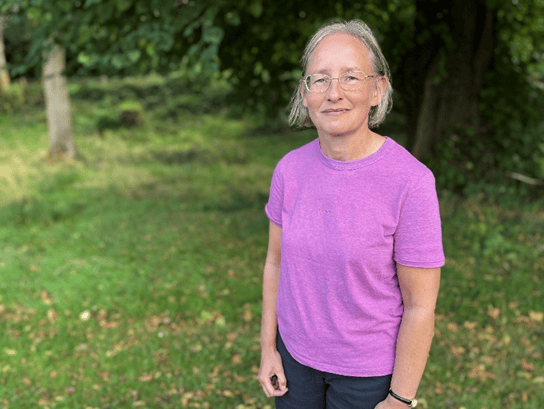
Dr Ruth Mitchell, a woodland ecologist at the JHI and the study’s lead author, said, “We generally think of trees as good for biodiversity, but not all trees are equal and not all tree associated biodiversity can use every tree.
“Generally, we are trying to promote tree species diversification of our forests to increase resilience. This study shows that if the aim is to provide resilience for tree associated biodiversity we need to think carefully about which trees we establish."
The new study brought together experts from the JHI, the RSPB, the Royal Botanic Garden Edinburgh and the Woodland Trust.
The full report, titled Pining for diversity: Does greater tree species diversity enhance the resilience of associated biodiversity and ecosystem functioning in Pinus sylvestris forests? can be accessed on ScienceDirect.
Scots pine is the most widespread and commercially important of the UK’s three native conifers; the others being Yew, often considered a broadleaf but a conifer, and Juniper, which usually grows as a shrub rather than a large tree.
However, diseases and the changes brought by climate change present a threat to this invaluable species and the woodlands it creates.
Most coniferous forests in the UK, like spruce and fir plantations, consist of non-native species introduced for commercial forestry.
Comments
Want to join the conversation? Please or to comment on this article.